
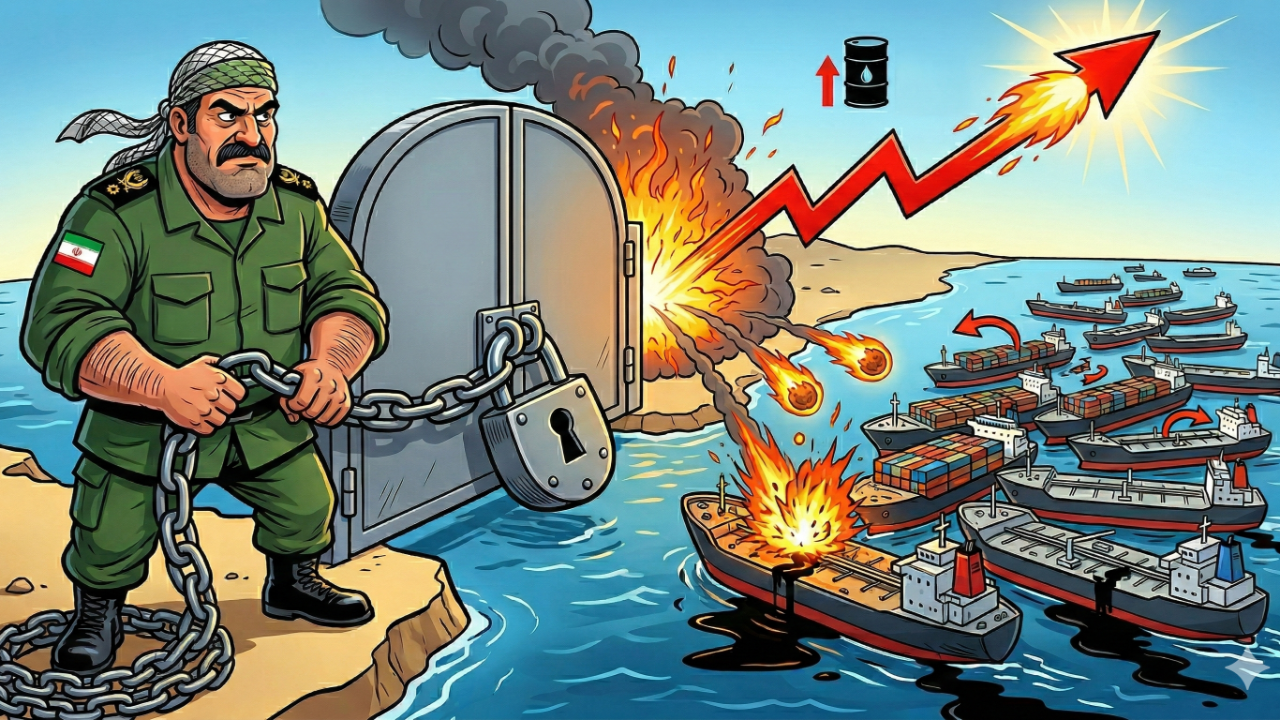
Vessel traffic in the Strait of Hormuz plummeted on March 7 due to attacks and insurance withdrawal, severely impacting Gulf shipping operations.
Vessel traffic through the Strait of Hormuz nearly halted on March 7 as attacks, electronic interference, and the withdrawal of war-risk insurance disrupted Gulf shipping, reported Saint Petersburg's PortNews.
Only three vessel crossings were recorded, far below the seven-day average of 13.43. The movements included an oil and chemicals tanker, a containership, and a bulk carrier under the flags of Palau, Iran, and Liberia. Synthetic aperture radar confirmed extremely limited traffic.
Windward reported that several ships transiting since March 2 carried elevated compliance risks, with three sanctioned vessels and five classified as high risk. The disruption of insurance has compounded the crisis, with Protection and Indemnity clubs cancelling Gulf war-risk coverage after London reinsurance capacity was withdrawn.
War-risk premiums have risen from 0.25 percent of vessel value per transit to 0.5 percent or higher, and in some cases, coverage is unavailable. Tankers and cargo ships are waiting near Fujairah as operators reassess transit risk.
Electronic interference has intensified, with more than 1,650 vessels experiencing GPS and AIS disruption. At least 30 interference clusters were identified across Gulf states. Attacks have also escalated, including a drone strike on the Maltese-flagged tanker Prima and the sinking of the UAE tug Mussafah 2.
Regional bunkering has been affected, with Fujairah suppliers declaring force majeure after attacks on fuel storage. Tanker freight markets reacted sharply, with a VLCC fixed at US$770,000 per day for Gulf-linked exports. Separately, Swedish authorities seized the cargo vessel Caffa after finding its Guinea registry fraudulent.