Southeast Asia is a key hub for shadow tankers evading sanctions, raising safety and regulatory concerns, say experts in the Diplomat journal.
Southeast Asia has emerged as a significant hub for shadow tankers transporting sanctioned oil, according to Jan Stockbruegger and Vonintsoa Rafaly in the Washington, DC-based Diplomat journal.
Dr. Stockbruegger, a political scientist at the Ocean Infrastructure Research Group at the University of Copenhagen and a director at SafeSeas, a maritime security and ocean governance research network, and Dr. Rafaly, an international law researcher at the same group, highlight the growing concern over this issue.
On May 1, 2023, the MV Pablo exploded off Malaysia's coast, resulting in three fatalities and four injuries. The vessel, built in 1997 and registered in Gabon, was part of the increasing fleet of shadow tankers utilized by Russia, Venezuela, and Iran to circumvent sanctions. It was owned through a shell company and reportedly lacked proper insurance.
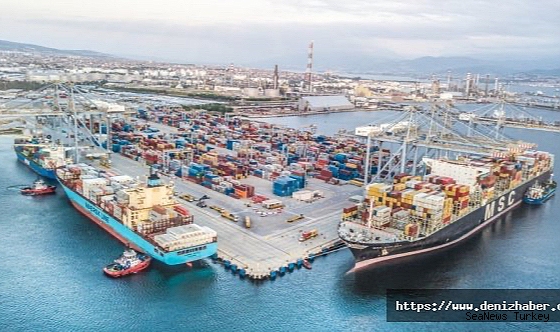
Currently, hundreds of shadow tankers—accounting for up to 10 percent of the global oil fleet—operate worldwide. Many of these vessels traverse the Malacca Strait en route to China, engaging in risky ship-to-ship transfers off the coasts of Singapore, Malaysia, and Indonesia. Notably, in November 2022, the Young Yong ran aground in Indonesian waters near a Singapore gas pipeline.
Globally, incidents involving shadow tankers are on the rise. A Reuters investigation identified eight groundings, collisions, or near misses in 2022 involving vessels carrying sanctioned crude, with incidents reported off the coasts of China, Cuba, and Spain. The UN's International Maritime Organization (IMO) has begun addressing these risks, but enforcement remains weak.
The United Nations Convention on the Law of the Sea (UNCLOS) empowers coastal states to regulate shipping within their waters to prevent pollution and accidents. States possess sovereignty up to 12 nautical miles and jurisdiction over marine protection in their exclusive economic zones. Precedents, such as the 2005 Malaga Agreement, demonstrate that countries can expel substandard vessels.
The authors emphasize that Southeast Asian nations must enhance cooperation to leverage UNCLOS against shadow tankers. Proposed measures include vessel monitoring, inspections, information sharing, and establishing joint enforcement standards. They advocate for collaboration with the IMO and China to develop a global framework aimed at mitigating this escalating threat.