Container shipping delays soar to 3 million TEU as port congestion and typhoons disrupt operations, impacting global supply chains.
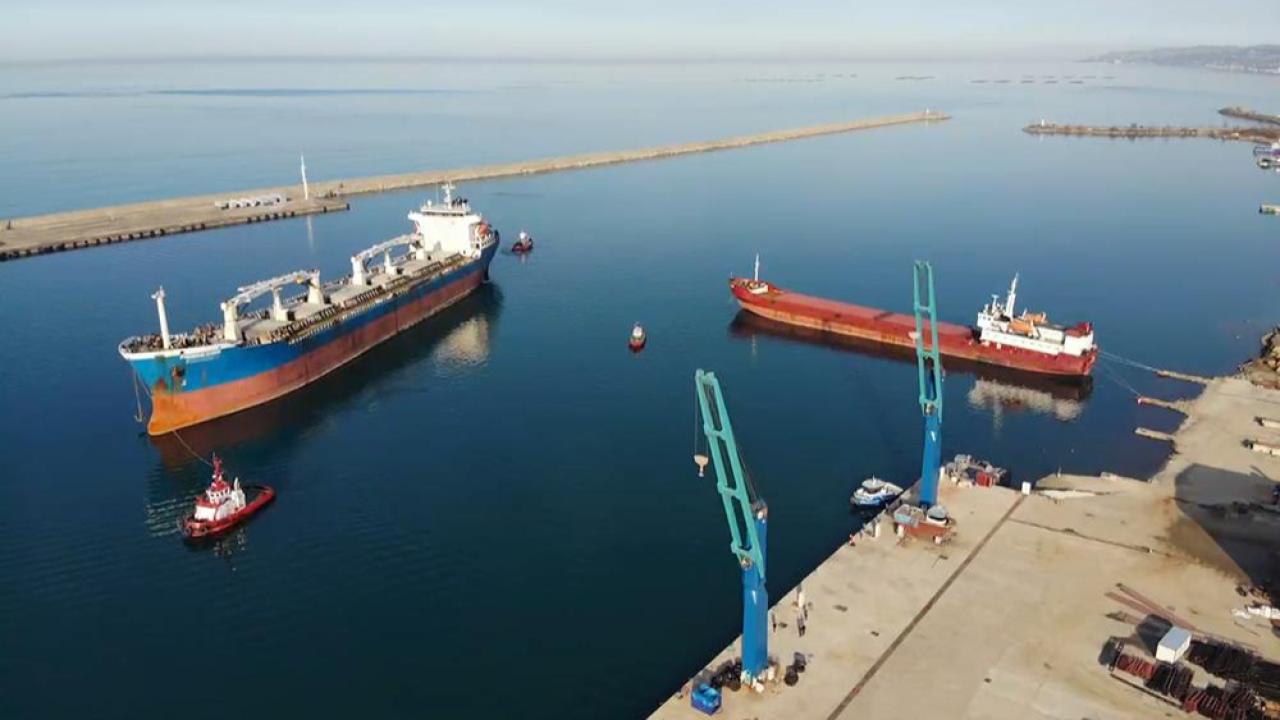
Global container shipping is facing intensified delays, with approximately 3 million TEU of capacity - 8.5% of the global fleet - currently absorbed by vessel disruptions. This marks a significant increase from 1.7 million TEU in mid-August, as port congestion in Asia and typhoon-related disruptions continue to strain operations. If treated as a standalone carrier, this delayed capacity would rank fifth globally, between COSCO Shipping and Hapag-Lloyd.
These delays do not indicate vessels permanently withdrawn from service but reflect capacity temporarily unable to maintain normal schedules due to congestion, late arrivals, and operational disruptions. This dynamic has reduced effective capacity and contributed to a global drop in schedule reliability, which fell to 49.9% in August 2026, with late vessels averaging delays of 6.8 days.
Asian ports like Shanghai and Ningbo are among the hardest hit, with schedule reliability dropping as low as 12-17% and late-arriving vessels running 8-9 days behind. Typhoons in late summer further disrupted operations, compounding existing berth congestion and vessel backlogs. These delays create cascading effects, impacting berthing windows, cargo handling, transshipment connections, and subsequent voyages.
The recovery from this congestion is expected to be slow. Sea-Intelligence estimates that returning to mid-2025 congestion levels could take 6-8 months, while reaching the low congestion levels of June 2025 could require 7-10 months. This timeline suggests that congestion may persist into the 2027 Lunar New Year, a period of traditionally high export demand, potentially prolonging delays through the peak season.
It is important to note that the 3 million TEU figure doesn't equate to 8.5% of all global cargo experiencing equivalent delays. Analysis weighted by actual container volumes shows cargo-weighted schedule reliability is six percentage points higher, as delays are concentrated on lower-volume routes. Major trade lanes experience fewer disruptions, meaning the impact on cargo owners varies.
Additionally, landside transport infrastructure, including ports, rail, and road networks, is under increasing strain. Bhavan Vempati of Maersk Asia Pacific highlights landside bottlenecks as a key issue. Without improvements in landside capacity to match vessel operations, global shipping challenges, including port congestion and delays, will likely persist into 2027.