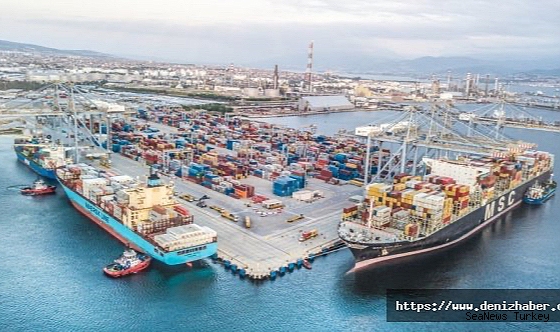
PSA Singapore, operator of the world's largest transshipment hub and a facility that handles tens of millions of container units annually across its terminals, has introduced revised PSA Group classifications for a defined set of United Nations (UN) Numbers, with particular focus on battery and battery-related dangerous goods (DG).
PSA Singapore, operator of the world's largest transshipment hub and a facility that handles tens of millions of container units annually across its terminals, has introduced revised PSA Group classifications for a defined set of United Nations (UN) Numbers, with particular focus on battery and battery-related dangerous goods (DG). Effective immediately, the changes reshape how affected cargo is handled, segregated, and charged when transhipping through Singapore.
Under the update, PSA has reassigned several UN Numbers to reflect a stricter safety posture for battery shipments. The revised PSA Group classifications may affect the handling, segregation, and applicable requirements for the affected DG cargo moving through the port.
The core change is a reclassification of affected battery DG shipments from PSA Group 3 to PSA Group 2. The impacted UN Numbers are:
UN3090 UN3091 UN3171 UN3480 UN3481 UN3536 UN3551 UN3552 UN3556 UN3557 UN3558
These numbers cover lithium metal and lithium-ion batteries, battery-powered equipment and vehicles, and related configurations frequently moved through global supply chains.
In response to increasing fire-related incidents and operational exceptions involving battery cargo, PSA will require mandatory monitoring services for selected battery DG shipments. The requirement applies particularly where prolonged dwell time at the port may pose a heightened safety risk.
This measure reinforces the port's safety framework and reflects a broader industry effort to manage the elevated risk profile of lithium batteries in concentrated transshipment environments.
The revised PSA Group classifications and the related DG surcharges for containers transhipping through Singapore take immediate effect. Freight forwarders, shippers, and importers routing battery cargo via the hub should expect the updated classifications and charges to apply to current and upcoming shipments, with no transition period.
For forwarders coordinating multi-client cargo flows, the reclassification carries direct operational and cost implications. A move from Group 3 to Group 2 changes segregation obligations and the applicable handling charge, both of which feed into routing decisions, quotations, and client commitments.
PSA strongly advises customers to ensure all DG declarations are accurate, complete, and submitted on time. Shipment planning should align fully with the revised PSA requirements to avoid penalties, delays, or operational disruptions.