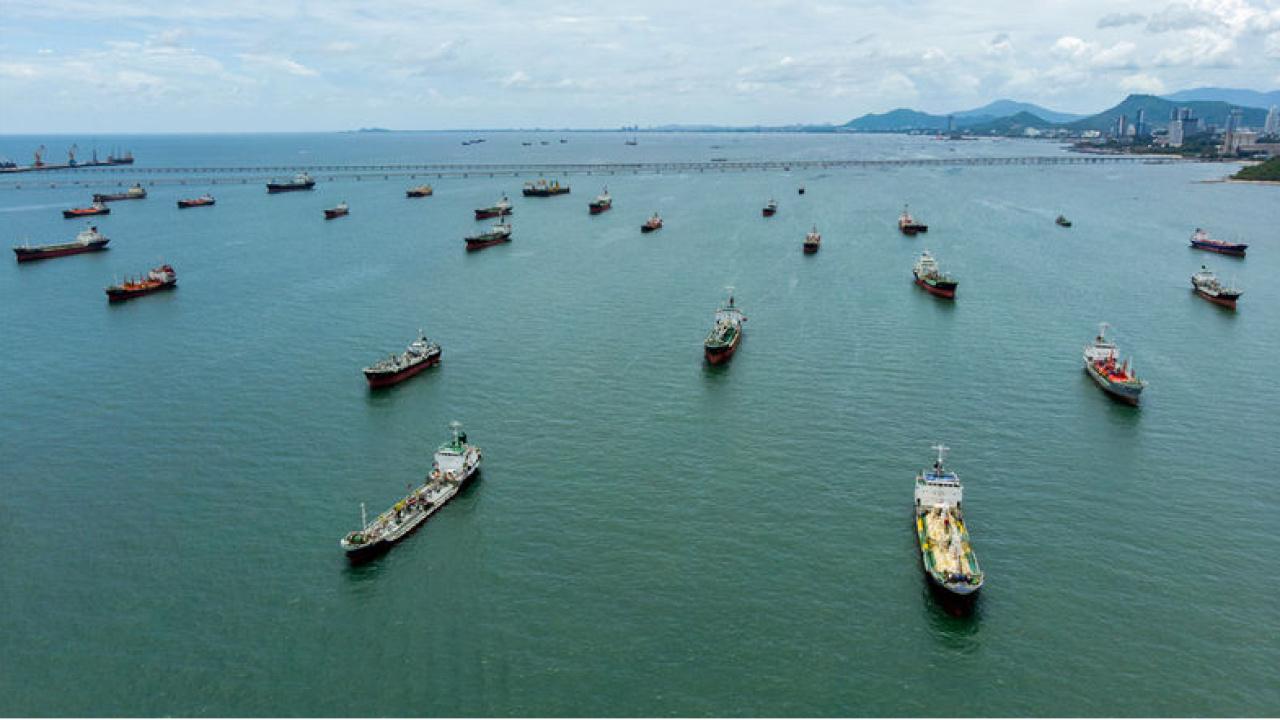
The UK maritime sector unites to form the Alternative Maritime Fuels Coalition, aiming to accelerate the shift to low-carbon shipping fuels.
The UK's Maritime Green Fuel Initiative: New Coalition Established
The UK maritime sector has established the 'Alternative Maritime Fuels Coalition' to accelerate the transition of ships from fossil fuels to low-carbon alternatives. This initiative brings together shipowners, fuel producers, energy companies, and technology developers under one roof.
A new collaboration platform has been created in line with the goals of reducing carbon emissions in maritime transport. Led by the UK Chamber of Shipping and the Cruise Lines International Association (CLIA), the coalition will work on the development and widespread adoption of alternative marine fuels.
In addition to shipowners, the coalition includes fuel suppliers, producers, port infrastructure companies, and maritime technology firms. The focus of the efforts is on making green ammonia, hydrogen, methanol, e-fuels, and other low-carbon fuels viable for maritime use.
Objective: Preparing Fuel and Port Infrastructure
The coalition will seek solutions to one of the biggest barriers to achieving the maritime sector's zero-emission targets, which is the lack of alternative fuel supply and infrastructure.
The scope of work includes:
Increasing the production of alternative fuels,
Developing new bunkering infrastructures in ports,
Improving fuel safety and certification processes,
Strengthening collaboration between maritime companies and the energy sector.
Ammonia, Hydrogen, and Methanol Stand Out
Among the future fuels in the maritime sector, green ammonia, hydrogen, and methanol are particularly prominent. These fuels can enable lower-emission operations compared to traditional fossil fuels when produced using suitable methods.
However, one of the biggest challenges facing the sector is cost. Increasing the production capacity of alternative fuels, renewing the global bunkering infrastructure, and adapting ships to these fuels require significant investment.
Investment Message to Maritime Companies
The coalition also aims to contribute to the UK government's efforts regarding future maritime fuel regulations. Additionally, it calls for carbon revenues generated from shipping to be directed towards fuel production and port infrastructure investments.
Rhett Hatcher, CEO of the UK Chamber of Shipping, stated that access to alternative fuels is one of the decisive issues for the future of the maritime sector, emphasizing that collaboration between the sector and the public is necessary to create an investment environment.
Importance for the Maritime Sector
The maritime sector, which carries a significant portion of global trade, is undergoing a critical transformation process in terms of carbon reduction. For new fuels to be used commercially, not only ships but also ports, bunkering terminals, and energy supply chains need to transform.
This initiative launched by the UK is considered one of the significant steps aimed at aligning the maritime and energy sectors on the same course in the race for a green transition.
Source: SeaNews Türkiye