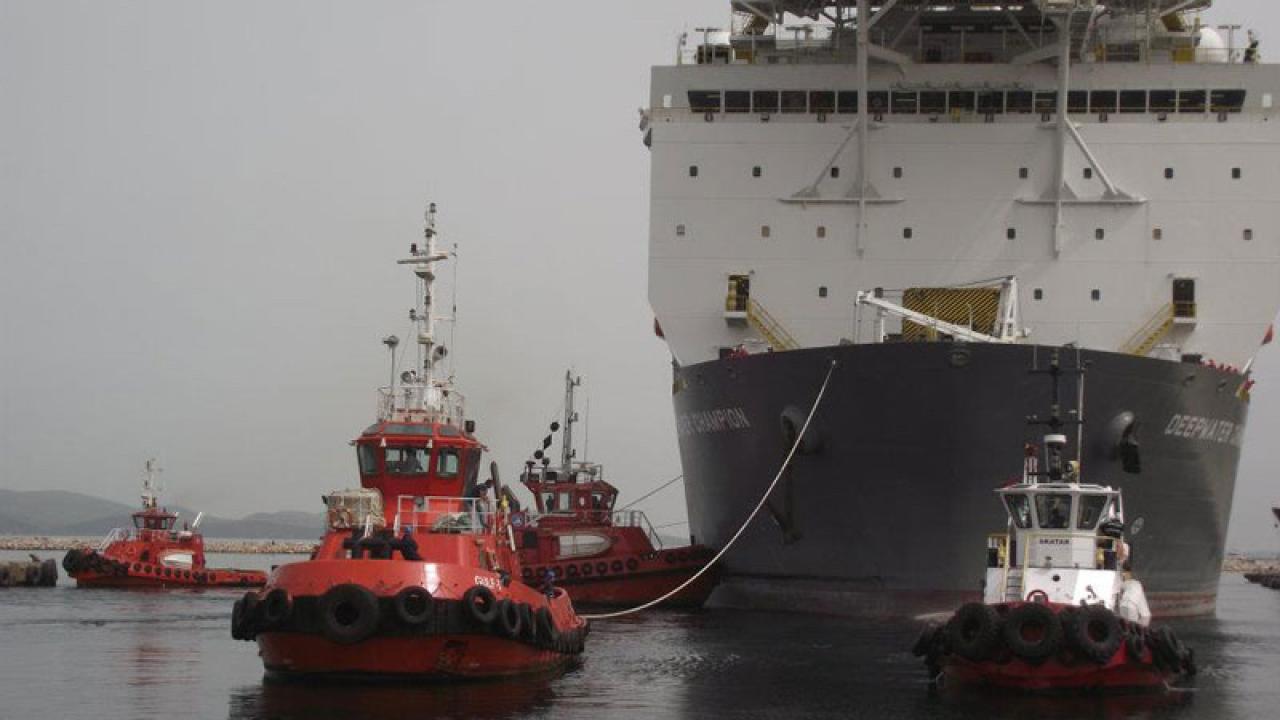
The IMO introduces mandatory performance standards for pilot transfer, enhancing safety through equipment, training, and maintenance protocols.
The mandatory performance standards accepted by the IMO for pilot transfer cover the entire system, from pilot ladders to connection points, maintenance records to personnel training. There are transition periods extending to 2029 and 2030 for the technical compliance of existing equipment; the provisions for control, maintenance, and replacement will start on January 1, 2028.
The International Maritime Organization (IMO) has established a more detailed and binding safety framework for the equipment used in the embarkation and disembarkation of pilots. The MSC.572(110) resolution, adopted by the Maritime Safety Committee on June 26, 2025, revises SOLAS Chapter V Rule 23. The technical requirements are included in the 'Pilot Transfer Arrangements Performance Standards' MSC.576(110), which was also adopted on the same day.
The regulation does not solely focus on the pilot ladder. The side gangway, access platform, securing ropes, ladder hoist drum, connection elements, and access points to the deck are all addressed as a whole. This approach, which extends from design and manufacturing to onboard use, aims to ensure the correct installation of the equipment and its monitoring throughout its service life.
The decisions were accepted in 2025; the new provisions are not yet in effect. MSC.572(110) establishes July 1, 2027, as the acceptance date under the tacit acceptance procedure of SOLAS, with January 1, 2028, set as the effective date. This timeline is contingent upon not exceeding the objection threshold specified in the decision.
2026 field data: 13% non-compliance in notifications
The International Maritime Pilots' Association (IMPA) collected 4,051 notifications from 34 countries during its 2026 safety campaign. The overall non-compliance rate announced by the association was 13%; pilot ladder arrangements continued to be the primary source of non-compliance observations. These are notifications from pilots participating in the campaign; they do not constitute a count measuring the entire world fleet.
In the campaign report, out of 2,362 transfer notifications made solely with pilot ladders, 331 were recorded as non-compliant, while 151 out of 1,013 notifications made with combined arrangements were also noted as non-compliant. Another striking finding in the report was that in 89% of the non-compliance cases, there was either no notification made to the authorities or no response to the notification question. This situation highlights the importance of reporting discipline as much as the equipment itself.
Which ship will comply, and when?
The distinction upon which the transition timeline is based is not merely whether the ship is new or old; it also considers the installation date of the transfer equipment and the ship's status under SOLAS Chapter I.
Source: MSC.572(110), new SOLAS V/23.3–7; Lloyd’s Register Class News 13/2026.
'The initial survey' does not only refer to a five-year renewal survey. It is based on whichever comes first among annual, periodic, or renewal surveys. The 'installation date' refers to the delivery date in the contract; if there is no such date, it is defined based on the actual delivery date to the ship. Therefore, new equipment delivered to an old ship in 2028 will not automatically be eligible for the time granted to existing equipment.
Lifespan of the ladder: 30 months or 36 months?
The new rules introduce two separate upper limits for pilot ladders and securing ropes: 36 months from manufacturing and 30 months from commissioning. The equipment will be removed from service once whichever limit is reached first. This rule also applies to spares. For equipment that becomes non-compliant, the expiration of these periods cannot be expected. There will be at least one compliant spare pilot ladder and one spare securing rope set on board.
For example, a ladder produced in January 2028 and commissioned in January 2029 will reach the 36-month manufacturing limit in January 2031. Even if the 30 months calculated from commissioning extends to a later date, in this case, the earlier manufacturing limit will apply. Therefore, in purchasing and stock planning, the delivery date to the ship will not be sufficient on its own.
Control at each use, detailed inspection every three months
Transfer arrangements will be checked by a responsible officer before and after each use; additionally, a detailed inspection will be conducted every three months. The maintenance plan will include checklists, inspection and maintenance records, commissioning, and planned decommissioning dates.
The inspection is not limited to the steps of the ladder; it includes spares, the side gangway, drums, connections, the access point, and stowage arrangements. Repairing or replacing ladder steps and long balance steps is prohibited. Unused equipment will be protected from moisture, sunlight, icing, chemicals, and oils. Personnel responsible for control, maintenance, and equipment will receive familiarization training regarding the onboard arrangements.
Detailed requirements for connection points and combined arrangements
The new text retains some existing safety principles while combining them with more detailed technical requirements. The climbing height with a pilot ladder will be between 1.5 and 9 meters; if the height exceeds 9 meters, a combined arrangement will be used along with the side gangway. The transfer and equipment will be supervised by a responsible officer communicating with the bridge.
Carrier connection points, locks, and mooring ropes must have a minimum breaking strength of 48 kN. The strength or equivalent safe working load will be marked; compliance documents will be kept on board. The ladder hoist drum will not serve as a load-bearing connection during use: the ladder will be secured to independent strong points away from the drum.
Systems with a covered access opening on the lower platform of the combined arrangement are also detailed. The opening will be at least 750 × 750 millimeters; the ladder will lean against the side and the top step will be at least 2 meters above the lower platform. Structural elements will not obstruct the passage.
On ships where the section regarding combined arrangements is applied, a boarding mark with a white upper half and a red lower half is required near the boarding position. The mark must be at least 4 meters high and 0.5 meters wide, with the color separation line below 9 meters from the access point.
Certification will be part of the equipment record
In new installations, type approval from the flag administration or an authorized organization is required for pilot ladders, intermediate securing equipment, and securing ropes. Relevant ship safety documents will add separate items for the ladder and securing ropes, their spares, and intermediate securing equipment to the equipment records.
DNV considers the updating of records related to safety documents as part of the compliance process. The organization also emphasizes that the revised IMO/IMPA poster is a useful visual guide, but should not be considered sufficient on its own in design and approval processes.
Emphasis on rejecting transfers with non-compliant arrangements
The revised SOLAS text states that a pilot or other personnel who suspects non-compliance must inform the ship's captain and refuse to use the arrangement until it is made compliant. The non-use of mechanical pilot hoists and the adequate lighting of the transfer area are also among the provisions.
The operational consequence of this is clear: expecting a pilot to board the ship without ensuring suitable transfer conditions does not resolve safety issues. The compliance of the equipment becomes a preparatory issue that must be addressed at the beginning of the voyage plan.
For shipowners, merely purchasing equipment may not be sufficient
According to DNV's technical assessment, compliance may require modifications to connection points, hoist drums, and securing devices. Some interventions may involve hot work or more extensive renovations; therefore, they may need to be scheduled in advance with the shipyard. Lloyd’s Register also points out that installations prior to July 2012 may require further modifications.
The need for preparation arising from these findings necessitates that Turkish shipowners and operators conduct assessments on a ship-by-ship basis: the delivery and manufacturing dates of the equipment, connection documents, hull geometry, maintenance records, and upcoming survey dates should be checked together. An open non-compliance notification process to be shared with pilotage organizations will also complete this work.
The timeline is not merely about fleets changing all ladders in a single day. The main preparation will be to timely address deficiencies by evaluating each ship's transfer arrangements alongside technical documents, service life, and personnel practices.
Source: SeaNews Türkiye