MSC strengthens West Africa's cocoa export connections to global markets with tailored logistics solutions for exporters and buyers.
West Africa, home to the world's largest cocoa-producing region, is strengthening its connection to international buyers through Mediterranean Shipping Company (MSC), which offers specialized logistics solutions built for the cocoa trade. The company links exporters across Cameroon, Cote d'Ivoire, Ghana, Nigeria, and neighboring countries with chocolate manufacturers and consumer markets in Europe, East Asia, and North America.
The initiative combines MSC's global shipping network with local cocoa expertise, giving exporters flexible options for both loading locations and final destinations along the supply chain.
MSC has developed logistics services shaped around the specific requirements of cocoa exporters. According to the company, dedicated teams with local knowledge and cocoa-sector experience work directly with shippers to adapt each shipment to its route and cargo profile.
The service package includes regular trade services with reliable transit times, 24/7 container availability, and logistics solutions tailored to individual customer requirements. This combination is designed to protect cargo value, reduce uncertainty, and help exporters meet delivery commitments during peak harvest periods, when demand for capacity typically rises.
For cargo owners managing high-volume, time-sensitive shipments, consistent transit schedules and container access address two persistent concerns: disruption risk and cost control.
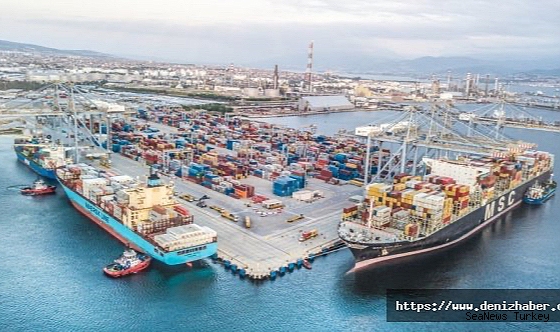
Two terminals sit at the center of MSC's West African cocoa operations. Terminal San Pedro (TSP) in Cote d'Ivoire serves one of the region's principal cocoa export gateways, while the Lome Container Terminal in Togo functions as a key transshipment hub connecting regional cargo to global trade lanes.
These locations give exporters and freight forwarders clear entry points into MSC's wider maritime and inland network, supporting predictable routing from origin to destination.
Beyond ocean transport, MSC offers a range of value-added solutions relevant to the cocoa trade. Intermodal transport extends reach between inland producing regions and coastal terminals. Thermal liners help protect cocoa quality against temperature and humidity fluctuations during transit - a factor that directly affects the condition and value of beans on arrival.
On the digital side, the company provides electronic bills of lading (eBLs) and other online business tools intended to streamline documentation and reduce manual paperwork. For freight forwarders and importers, such tools can speed up processing and support smoother customs handling.
By pairing terminal infrastructure, inland connectivity, cargo-protection services, and digital documentation, MSC positions itself as a single-point logistics partner for West African cocoa. The company said its local teams continue to work closely with exporters to match solutions to each shipment's needs.
The broader significance is a more connected route between West African origins and international demand. For the shippers, forwarders, and buyers who depend on cocoa moving reliably from plantation to market, that connection reinforces the stability of a supply chain central to the global chocolate industry.