Libya's 2026 Energy Summit in Tripoli focuses on solar energy, aiming for a green transition with global partnerships and ambitious renewable goals.
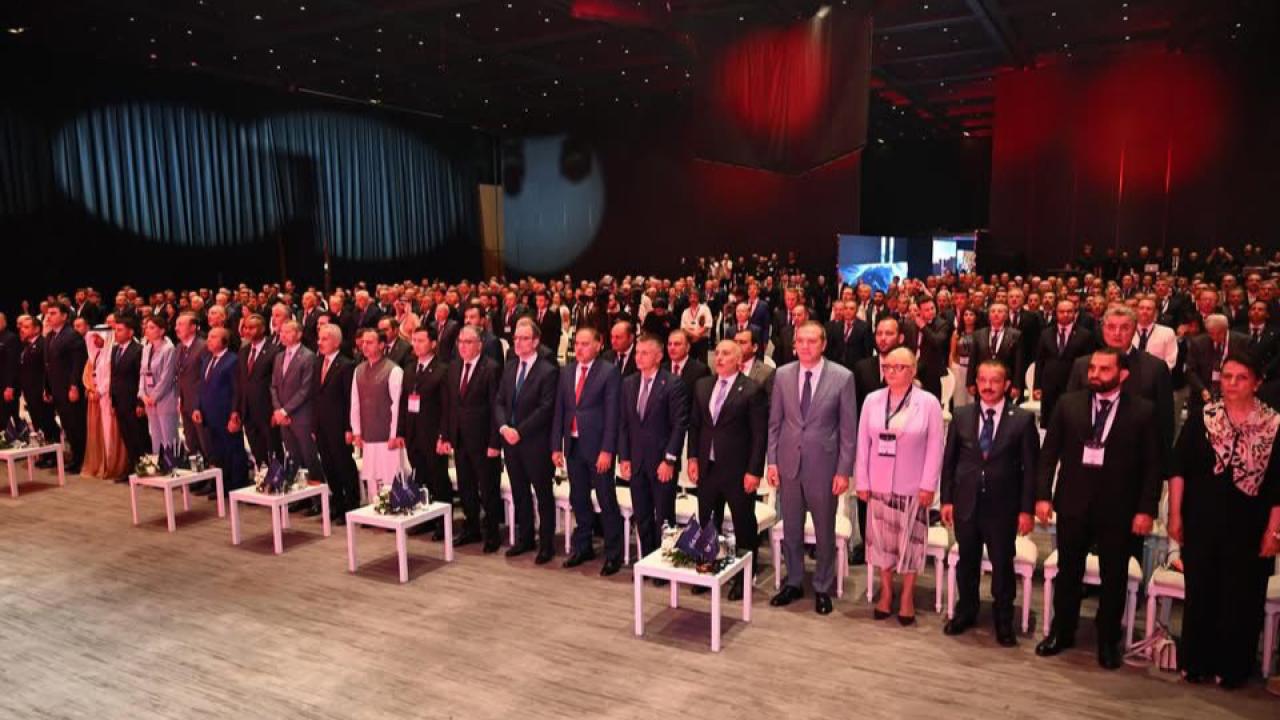
Oil-rich Libya is turning its face to the sun. The 4th Libya Energy and Economy Summit (LEES 2026), which will be held in Tripoli from January 24-26, 2026, will be a critical turning point for the country's energy diversification strategy. The summit brings together public institutions, global energy giants such as TotalEnergies and Repsol, and the local private sector under the agenda of 'green transformation.'
Ambitious Solar Goals in the Oil Country
The Libyan Renewable Energy Authority (REAoL) is redefining the country's energy strategy. Within the framework of the 2035 National Strategy, Libya aims to increase the share of renewable sources in energy production to 17% by 2025 and to 25% by 2030.
REAoL President Abdelsalam Al-Ansari, who will speak at the summit, is expected to share significant data regarding the 'Go Green' rooftop solar energy program launched last year and the solar resource assessment studies conducted with Germany.
Mega Project Coming Online in 2026
The most notable agenda item of the summit is the 500 MW capacity Sadada Solar Energy Project. This mega project, carried out in partnership with TotalEnergies, the General Electricity Company of Libya (GECOL), and Renewable Energy Holding (REHC), is planned to commence commercial operations within 2026. This power plant is seen as the most concrete step Libya has taken towards transforming its hydrocarbon-based grid.
Global Players on the Ground
TotalEnergies, the 'Diamond Sponsor' of the summit, and the Spanish giant Repsol's renewable energy division, Repsol Renovables, will evaluate investment opportunities in Libya. Repsol will present its sustainability vision with projects aimed at reducing gas flaring in existing oil fields and LPG supply projects in Ubari.
James Chester, CEO of Energy Capital & Power, stated in a pre-summit announcement, 'Libya is laying the foundations for a diversified energy future with strong public leadership, international partnerships, and a capable local private sector.'
Source: www.denizhaber.com