Korea exempts shipping surcharges from tariffs on Middle East imports due to Strait of Hormuz disruptions, addressing raw material shortages.
Korea will temporarily exempt additional shipping costs from tariffs on Middle East imports rerouted due to disruptions in the Strait of Hormuz, the government announced, as concerns mount over raw material shortages, reported Seoul's Korea Times.
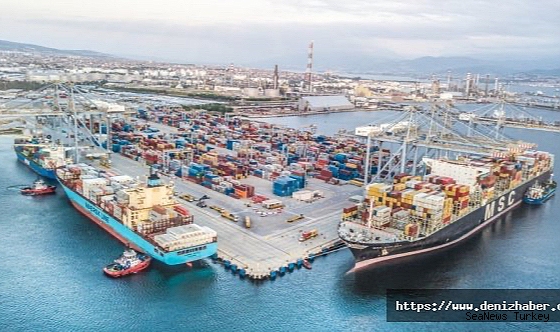
The Ministry of Economy and Finance announced a deregulatory package to stabilize supply chains without extra fiscal spending. Measures include fast-tracking customs clearance for energy and raw materials and excluding detour-related shipping surcharges from import duty calculations.
First Vice Finance Minister Lee Hyoung-il stated that the changes will be reflected in a revision to the Customs Act enforcement decree next week and will be applied retroactively to shipments already affected by surging freight costs. The Worldscale index for Middle East-China tanker rates jumped to 426.89 in March, up 608 percent from 60.3 a year earlier.
Authorities will allow pre-arrival clearance for crude oil, naphtha, and other imports to expedite manufacturing. For chemical substances facing supply risks, companies may submit hazard testing plans instead of full data, cutting registration times from three months.
The government will ease labeling rules for food and sanitary products, permitting stickers instead of direct printing to address packaging shortages. Officials also pledged to secure supplies of household trash bags, reducing inspection periods to one day from ten and redistributing stock more efficiently.
Korea imports about 45 percent of its naphtha, with 77 percent sourced from the Middle East. Finance Minister Koo Yun-cheol urged ministries to monitor supply chains daily and prepare further measures to offset consumption constraints linked to the Iran war.