Ocean carriers impose fuel surcharges amid the Iran war, raising concerns among shippers about revenue grabs versus cost recovery.
Ocean carriers have imposed emergency fuel surcharges of US$30 to $300 per TEU since the Middle East war began, sparking accusations from shippers that the fees are revenue grabs rather than cost recovery, reports New York's Journal of Commerce.
Carriers argue that the surcharges are necessary to offset soaring bunker costs, which account for 15 to 30 percent of operating expenses. The war has driven oil prices sharply higher and disrupted supplies through the Strait of Hormuz.
Shippers, however, accuse carriers of 'double-dipping' by adding emergency bunker adjustment factors on top of quarterly reviews. The Global Shippers Forum stated that this practice discredits surcharging and risks crippling smaller businesses.
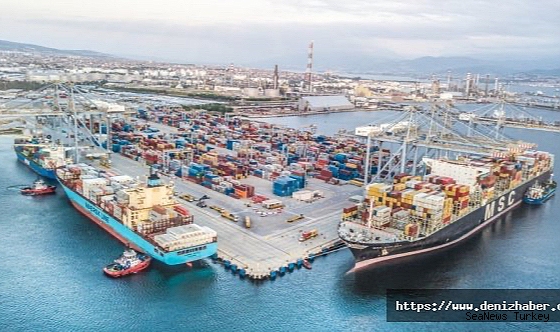
CMA CGM, OOCL, Cosco, and MSC have all announced emergency surcharges, while Maersk imposed a $200 per TEU charge on long hauls. Most carriers plan to review the charges every two weeks.
Freight platform Vizion noted that the traditional link between fuel costs and quarterly bunker adjustment factors has fractured. It highlighted that bunker prices spiked 73 percent in under two weeks following US and Israeli strikes on Iran.
Analysts warn that shippers face higher costs in the second quarter as bunker reviews catch up with fuel spikes. Drewry Supply Chain Advisors indicated that emergency surcharges risk becoming revenue-generating rather than cost-recovering.