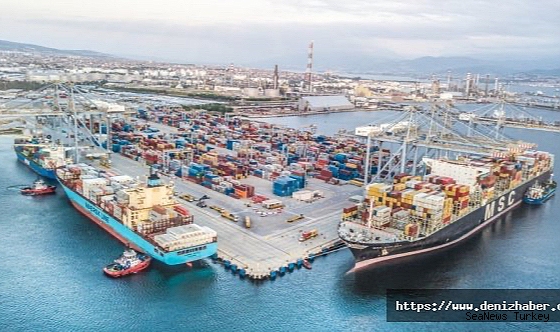
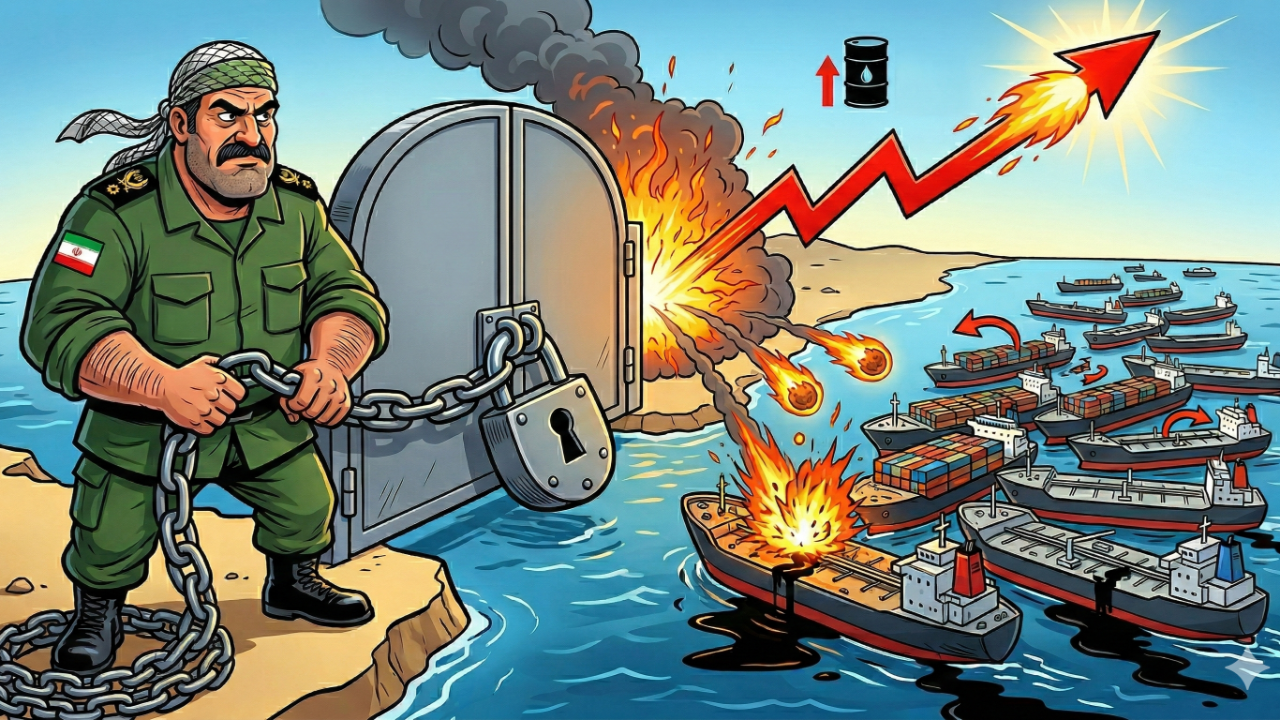
Iran is using the Strait of Hormuz as a tool for geopolitical and economic leverage, reshaping shipping dynamics in the region.
Iran is increasingly using access through the Strait of Hormuz as geopolitical and economic leverage, reports Denver's Oil & Gas 360.
Tehran has expanded its operational control, imposing new transit procedures and reshaping commercial shipping through the energy chokepoint. Reports indicate a multi-layered system of clearances, inspections, checkpoints, and route approvals, with preferential treatment for politically aligned nations.
Iran has widened its operational control zone, viewing Hormuz as a broader security corridor extending into Gulf shipping lanes. The strait normally carries one fifth of globally traded oil and significant LNG exports, making even partial disruption highly consequential.
Shipping data show that traffic has collapsed compared with pre-war levels, while tanker rates and insurance costs remain elevated. Middle Eastern crude exports have fallen sharply, increasing reliance on Atlantic Basin supplies.
Analysts say Iran is pursuing controlled uncertainty rather than outright closure. A restricted corridor with delays, inspections, fees, and selective access creates sustained pressure without triggering immediate escalation.