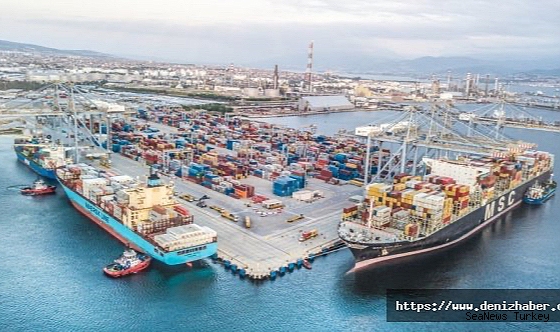
Shipping bottlenecks and conflict threaten Middle East petrochemical supply flows in H2 2026, with China emerging as a key supplier.
Petrochemical supply flows from the Middle East in H2 2026 face prolonged disruption from shipping bottlenecks and conflict-driven uncertainty, with China stepping in as a swing supplier, reported London's S&P Global.
Market participants said a swift return to pre-war trade flows is unlikely, as the economics of global trade have shifted. While the Strait of Hormuz remains open, delivery uncertainties and high costs are keeping Middle East supply unattractive. Indian buyers are also seeking clarity on payments for Iranian cargoes.
Reports of facility damage in the region have added to concerns, with financial costs expected to be borne by sellers and buyers in the near term.
Shipping bottlenecks remain a critical factor. The closure of the Strait of Hormuz forced producers to reroute cargoes to alternative ports, adding road freight costs and longer sailing times. Large volumes of chemicals are now stranded at ports, with risk surcharges keeping prices elevated.
Non-sanctioned shipowners have avoided Iranian cargoes, while polymer producers face challenges liquidating stocks at alternative ports. Even if hostilities ease, traders estimate it could take three months for shipping to normalize, with oil products prioritized over chemicals.
Analysts said renewed US-Iran tensions have put Hormuz back in focus, with delays, crude prioritization, and higher feedstock costs likely to shape chemical trade flows through the second half of 2026.