Iran strikes Qatar's Ras Laffan LNG facility, escalating tensions after Israeli operations in South Pars, impacting global gas markets.
Qatar's state oil and gas company, QatarEnergy, announced that an attack was carried out by Iran on the natural gas center in Ras Laffan Industrial City, which hosts the world's largest LNG (Liquefied Natural Gas) export terminal.
The attack came immediately after Israel conducted operations against facilities in the Iranian-owned South Pars field. South Pars, which holds the world's largest natural gas reserves, is jointly utilized by Qatar and Iran. This area of mutual interest, which forms the foundation of decades-long cooperation between the two countries, has suffered a serious blow due to the current war tensions.
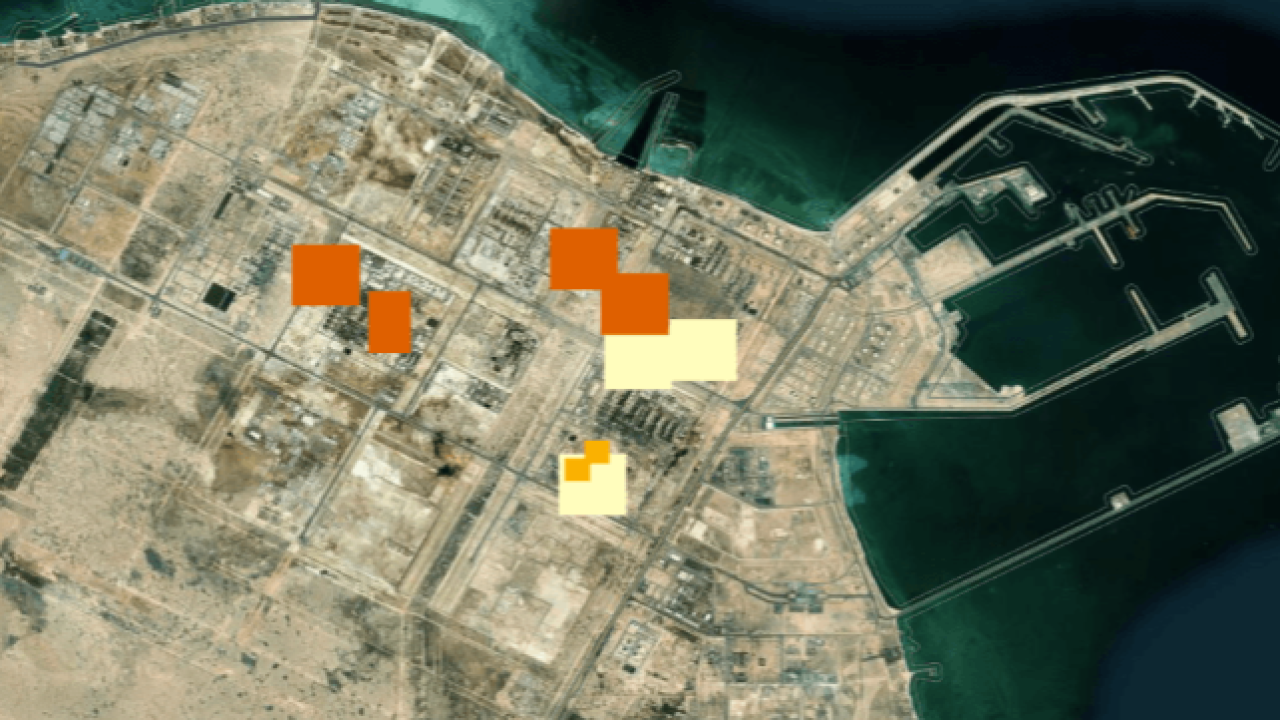
In a statement from QatarEnergy, it was noted that the Ras Laffan facility sustained 'significant damage' as a result of missile attacks, and the full extent of the impacts is being assessed. Images shared by eyewitnesses showed at least two large fires breaking out within the facility; NASA FIRMS infrared heat traces also confirmed the damage by detecting new hot spots in areas that typically do not emit heat.
The disruption in the production capacity of QatarEnergy, which supplies about one-fifth of the world's LNG supply from a single center, immediately shook global markets. Following the news, European natural gas prices increased by approximately 10%. This rise once again highlighted the European Union's critical dependence on imported LNG following the cessation of Russian gas.
The Qatari Ministry of Foreign Affairs condemned the attack in the strongest terms and reiterated Doha's neutrality in the conflicts: 'The Iranian side continues its aggressive policies that drag the region to the brink of disaster and pull unrelated countries into the crisis.'
Former Qatari General and Chairman of the International Mediation Council, Sheikh Nawaf Al-Thani, summarized the situation with the following words: 'When LNG facilities are targeted, this is no longer just a regional conflict, but a direct threat to global energy security.'
Source: SeaNews Türkiye