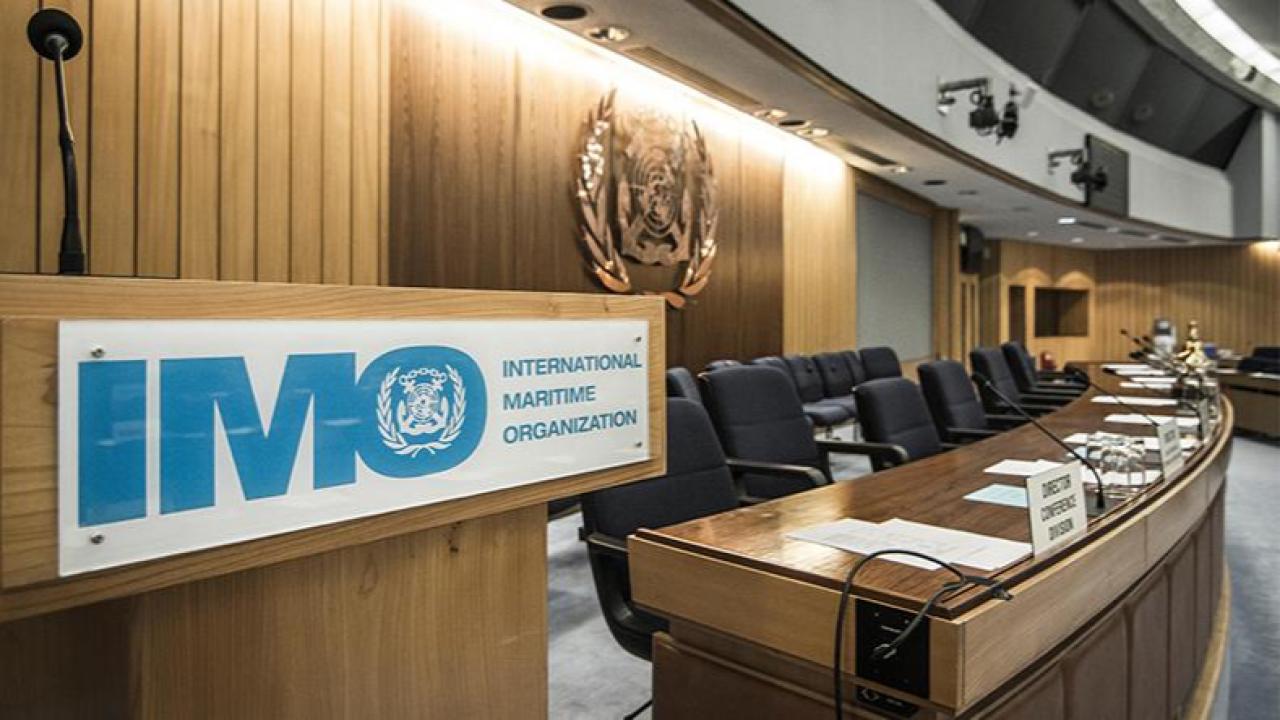
IMO talks end without progress for the third time, with carbon pricing at the center of disputes led by the US and Saudi Arabia.
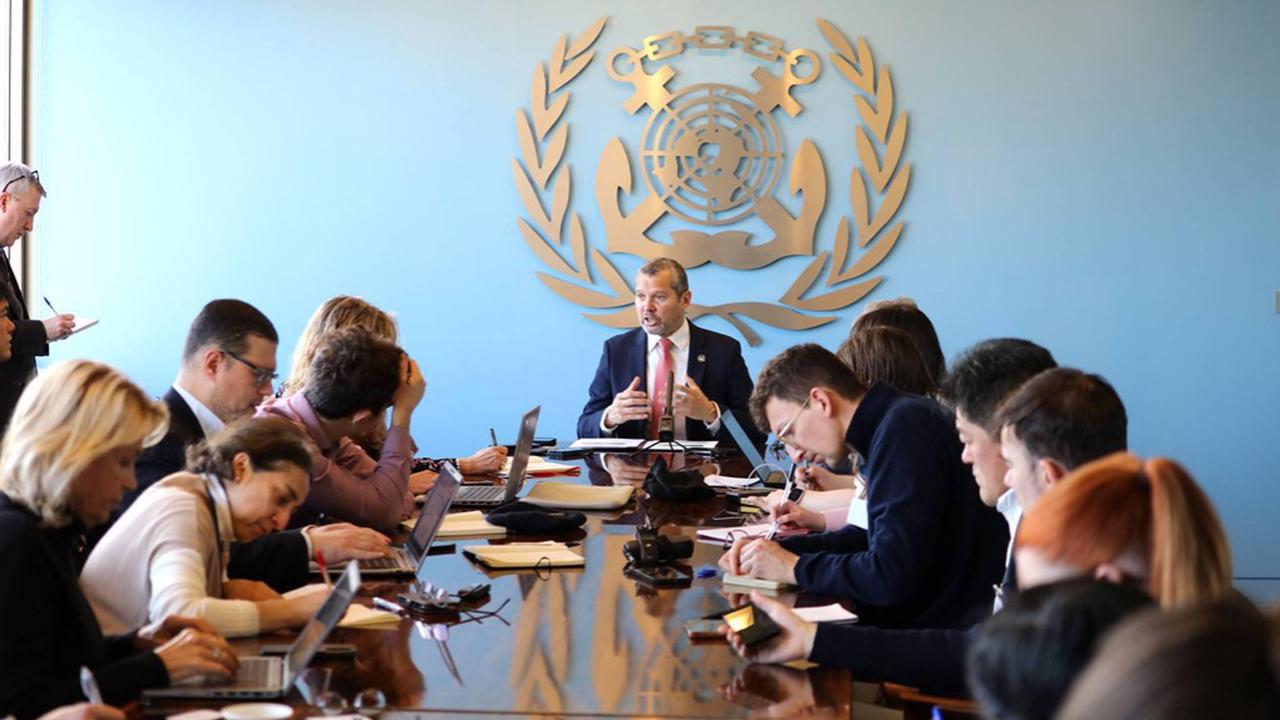
The latest round of negotiations at the International Maritime Organization has once again concluded without a breakthrough, marking the third consecutive meeting to end without substantive progress. Transport & Environment has identified obstruction led by the United States and Saudi Arabia as the primary force slowing the pace of negotiations.
T&E has warned that, despite repeated appeals from representatives of climate-vulnerable nations citing the devastating costs of climate disasters this year, the IMO's pace of action remains critically inadequate. During negotiations, multiple parties - including the European Union - signalled openness to compromise measures, such as abandoning a central fund structure and softening greenhouse gas reduction targets. However, negotiators from the United States and Saudi Arabia largely maintained their original positions, declining to make any material concessions.
T&E assessed the situation in direct terms: 'The continued failure to reach an ambitious agreed solution not only derails shipping decarbonisation but will keep fossil fuel importers and the shipping industry locked into dependency. During the Hormuz crisis, dependence on oil cost shipping approximately EUR340 million per day.'
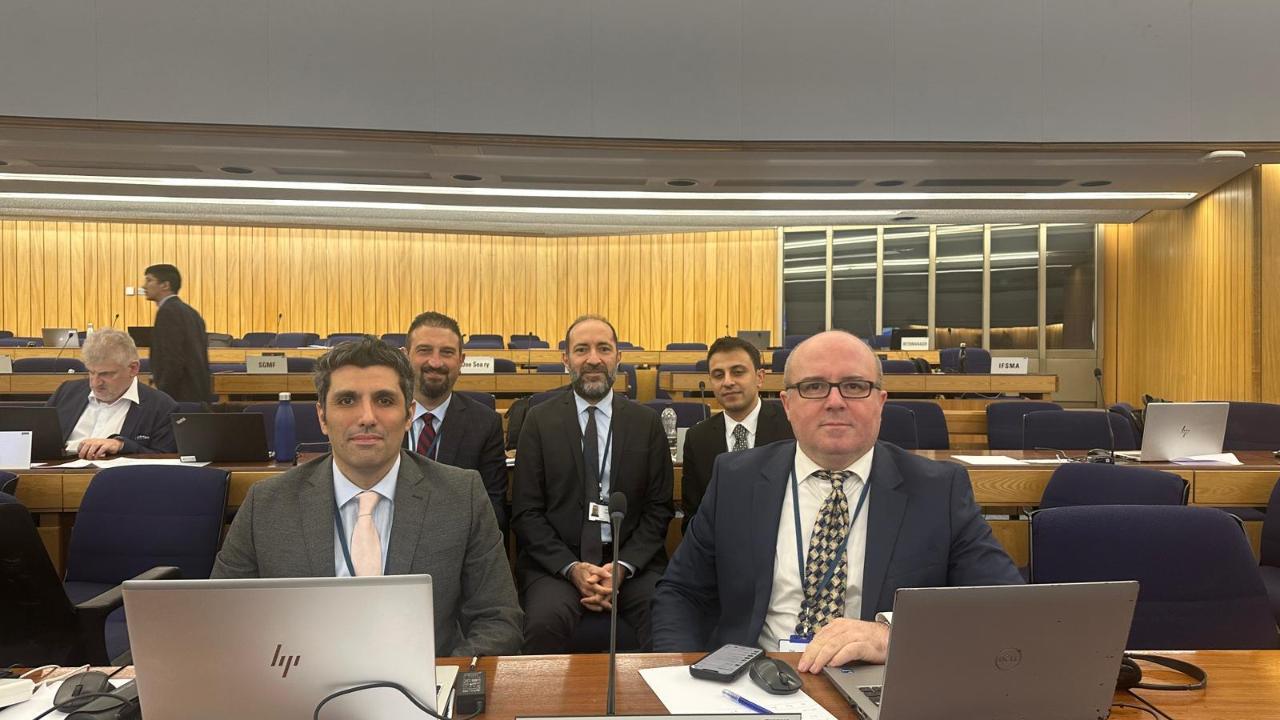
Observers from the UCL Shipping and Oceans Research Group noted that, as IMO's 22nd Intersessional Working Group on Greenhouse Gas Emissions concluded, a clear majority of member states - representing approximately two-thirds of all statements made - expressed support for establishing a centralised revenue collection system driven by a greenhouse gas pricing mechanism. Under this framework, funds raised would be directed toward rewarding early adopters of green technologies and supporting a just and equitable transition.
In an effort to break the deadlock, a number of nations advanced alternative or compromise proposals. Japan put forward a voluntary contribution model by shipowners in place of a mandatory central pricing mechanism; Liberia proposed a weakened fund structure underpinned by a tradeable 'surplus units' system; and China suggested netting compliance payments against incentives to streamline transactions. These efforts, however, have thus far failed to shift the entrenched positions of the United States and Saudi Arabia.
The next major IMO meeting is scheduled for 30 November to 3 December. Preceding it, the next intersessional working group session will convene from 23 to 27 November to complete the final technical groundwork ahead of MEPC 85. The second special session of the MEPC, which was suspended in October of last year, is set to resume on 4 December, contingent on the outcomes of MEPC 85 discussions. The opening weeks of December represent the decisive window for determining the future of the net-zero emissions framework.
Alex Springer, Interim Head of Shipping at T&E, stated that after a summer defined by heatwaves, drought, and record ocean temperatures, the continued failure of nations to approach a credible agreement was deeply concerning, and that the global shipping industry was moving further off course in its decarbonisation efforts. Governments, Springer argued, must advance ambitious regional measures rather than waiting for a global agreement to materialise.
The Clean Shipping Coalition acknowledged the support of the majority of member states for the net-zero framework, while criticising the minority of nations seeking to dilute it through alternative proposals. The Coalition called for formal adoption of the net-zero framework at the Marine Environment Protection Committee meeting scheduled for December.
Coalition President Lukas Leppert underscored that the various alternative proposals to the net-zero framework were neither necessary nor constructive. The IMO has committed to implementing its strategy and has approved the regulatory framework required to deliver it - a framework due for adoption later this year. While the net-zero framework does not precisely mirror the ambition level of the IMO 2023 Greenhouse Gas Strategy, it represents a hard-won compromise that consolidates diverse interests and positions, and commands broad majority support. In Leppert's view, the net-zero framework constitutes a meaningful step forward - one that can serve as the foundation upon which greater ambition is built in the years ahead.