Ilya Espino de Marotta is appointed as the first female Administrator of the Panama Canal Authority, focusing on key projects and future challenges.
The Panama Canal Authority has formally appointed Ilya Espino de Marotta as its first female Administrator, with a seven-year term extending through 2033.
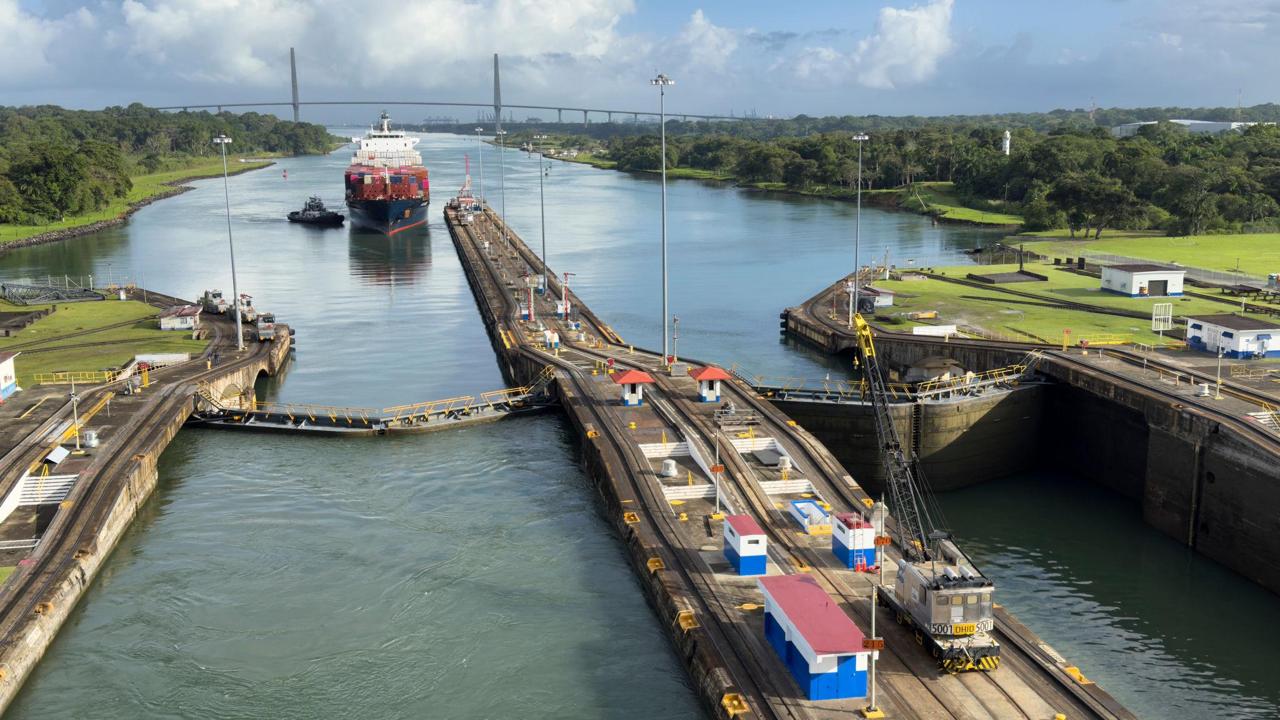
Espino de Marotta indicated that if rainfall levels remain below expectations in the coming months, daily transits through the Panama Canal could decline further—from the current 32 vessels to approximately 29—by early next year. During her inauguration, she confirmed that the Panama Canal Authority is advancing the Rio Indio project, a strategic initiative designed to secure water supply for both the Canal and surrounding communities, and stated that accelerating its delivery will be a central focus of her administration.
The Rio Indio project, which received board approval in January 2025, has been highlighted by Espino de Marotta as a top priority. She emphasized its importance, describing it as a landmark undertaking and stressing the urgency of moving the project forward. Since 2025, the Panama Canal Authority has been working closely with the Rio Indio communities, engaging residents in dialogue and developing compensation and resettlement plans. Construction is expected to commence in January 2028, with a four-year build phase targeting completion around 2032.
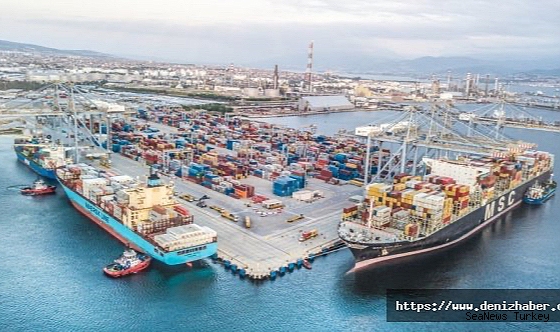
Regarding the two new container transshipment terminals under development by the Panama Canal Authority—the Telfers and Corozal terminals—Espino de Marotta stated that they are currently in the prequalification and evaluation phase. She highlighted their strategic significance, explaining that container terminals are a critical component of the Panama Canal's supporting infrastructure, second only to the locks and the waterway itself. Expanding port capacity, she noted, is essential for maintaining the competitiveness of the Panama Canal route and meeting the evolving demands of global trade.
Espino de Marotta emphasized the need for the Panama Canal to continuously adapt, stating that the Authority's responsibility is not only to operate efficiently but also to prepare for the future.