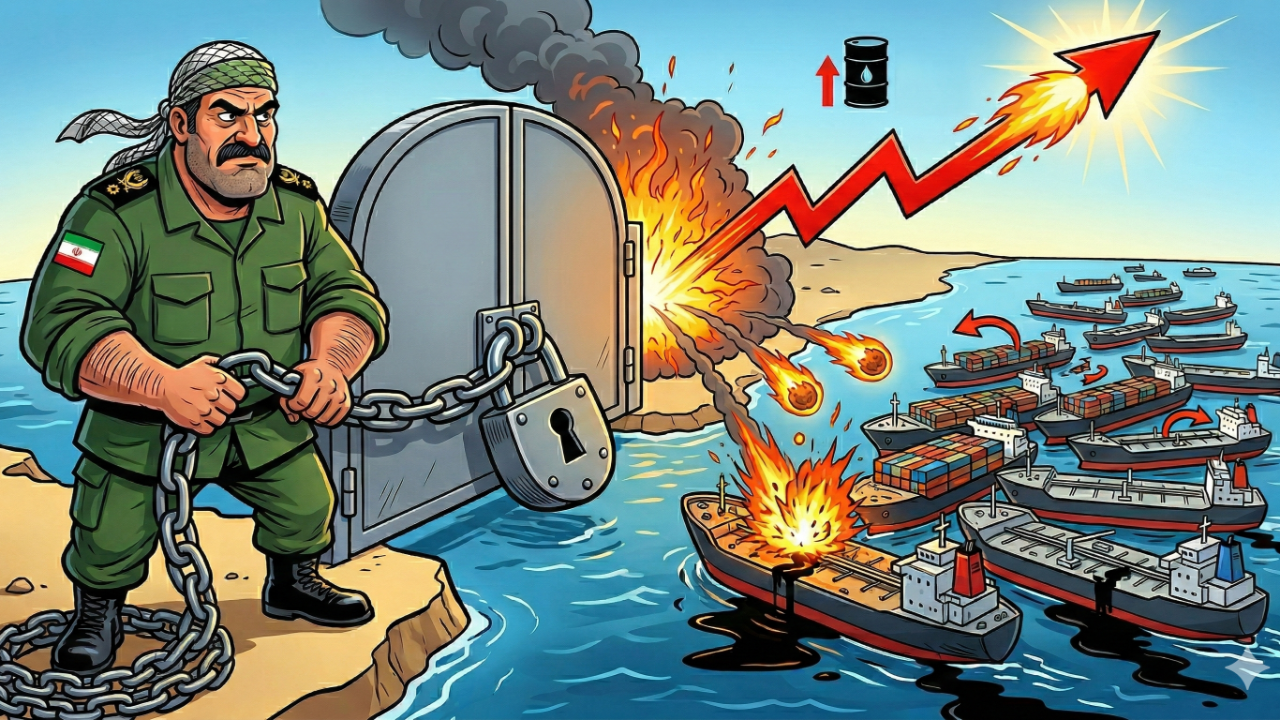
Bunker fuel demand in the Middle East dropped sharply in April due to shipping disruptions from the Iran war, impacting trade flows and supply.
Bunker fuel demand across key Middle Eastern ports fell sharply in April as shipping disruptions from the Iran war constrained supply and unsettled trade flows, reports London's S&P Global.
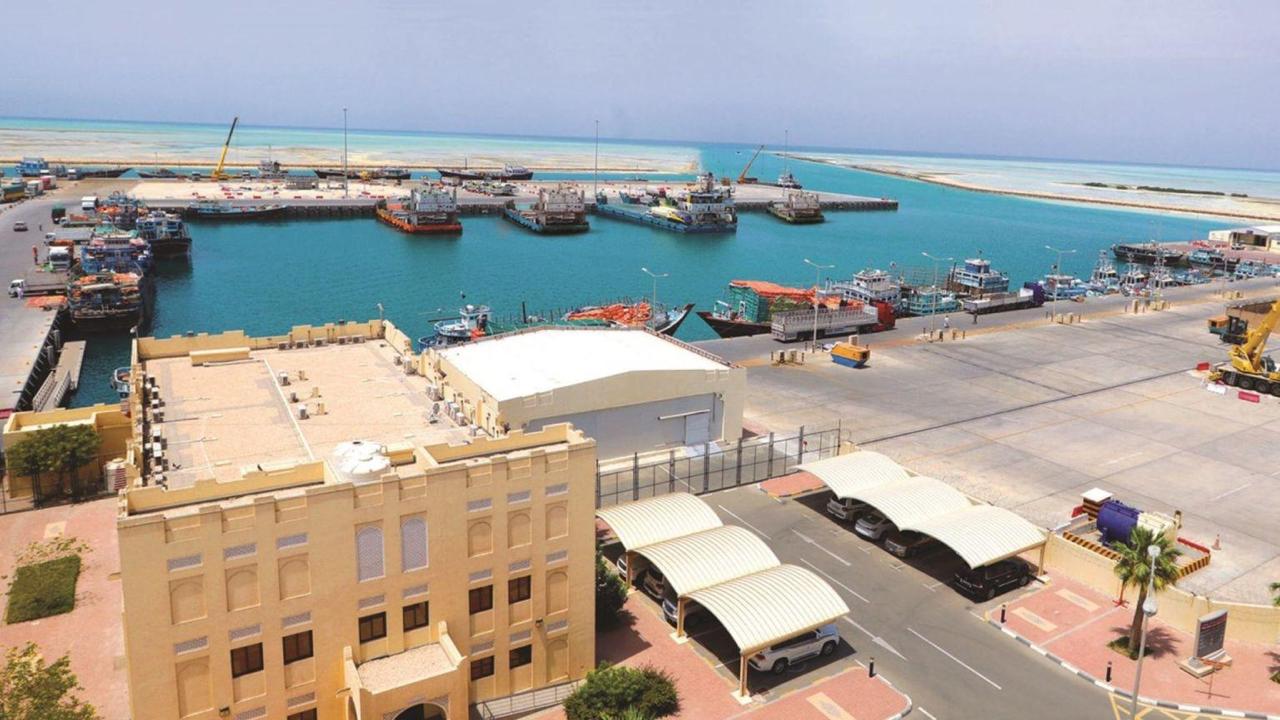
Traders noted that bunkering activity at Fujairah and Dubai was subdued throughout April as vessel movement through the Strait of Hormuz slowed. One Dubai-based trader observed little demand at Fujairah and Jebel Ali, with inquiries weak and vessel traffic limited.
Ship-to-ship calls at Fujairah and Jebel Ali rose to 470 in April from 140 in March, according to S&P Global Commodities at Sea. However, overall demand shifted toward Africa, India, and Colombo ports as buyers sought alternative supply amid Brent crude volatility.
Oil products inventories at Fujairah fell 6.9 percent to 6.501 million barrels in the week to May 4, hitting a record low for the fifth consecutive week. Platts assessed April marine fuel oil 0.5 percent bunker delivered Fujairah at $768.95 per tonne, down $154.73 month on month.
In Oman, Salalah's bunkering demand remained weak due to shortages and quota-based loading. One supplier indicated that volumes rose to 1,000 tonnes in April from 100 in March, though allocations were limited. Another supplier reported stronger activity, with bunker volumes increasing to 2,986 tonnes from 2,160 in March.
Oman's bunker sector consolidated as O Bunkering and Marafi Services merged under the O Bunkering name. Transport Minister Said Al Maawali stated that the merger would improve operational flexibility and strengthen service reliability across Omani ports.
In Iraq, bunkering operations fell to 7,000 tonnes in April from 15,000 in March. Vinayak Kharmale of Sea Crown Marine Services mentioned that demand existed, but execution was stalled by uncertainty over transit through Hormuz. Platts assessed April marine fuel 0.5 percent delivered at $42.03 month on month.