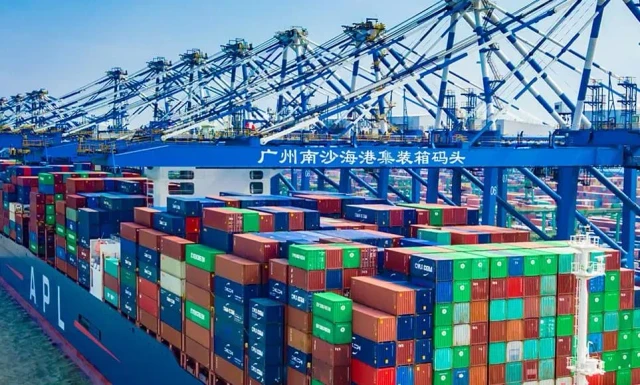
HMM is diversifying into bulk carriers as container shipping profits decline, with significant growth in bulk transport volume reported.
South Korea's largest shipping company, HMM, is expanding its bulk carrier business to mitigate the impact of declining profits in container shipping, according to Asia Business Daily.
Industry data indicates that HMM's bulk cargo transport volume reached 31 million tons in the first three quarters of 2025, marking a 10 percent increase from 28.16 million tons during the same period last year. In contrast, container shipping volume saw a modest rise of only three percent, totaling 2.93 million TEU.
Bulk carriers, which transport minerals, grains, oil, and LNG, benefit from long-term contracts that offer more stable earnings compared to container shipping, which is highly sensitive to economic fluctuations.
The Shanghai Containerised Freight Index (SCFI) averaged 1,598 this year, reflecting a 36 percent decrease from 2024, and dropped to 1,114.52 by the end of the third quarter. Analysts have warned that oversupply and diminishing demand could lead to a downturn lasting over five years.
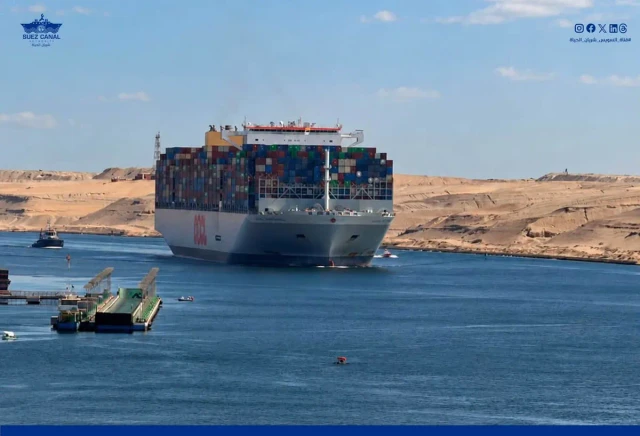
Kim Byungjoo of the Korea Maritime Institute predicts that the SCFI could average between 1,100 and 1,300 next year, representing a further decline of 18-31 percent. Yang Jongseo of the Export-Import Bank of Korea cautioned that without a significant market boom, the sector may face a severe recession, with the potential for a catastrophic slump if geopolitical tensions ease and Suez Canal traffic normalizes.
This year, HMM has secured long-term contracts worth KRW 636 billion (US$40.7 million) and KRW 430 billion with Brazil's Vale, and has launched a joint venture with UAE-based BGN Group to enhance its LPG shipping capabilities. An HMM official stated that the company aims to expand its bulk carrier fleet from 49 vessels to 110 by 2030 as part of its diversification strategy.