Greece's ports show revenue growth but struggle with competitiveness and modernization amid geopolitical tensions, reports Lloyd's List.
Greece's ports have benefited from privatization and investment, but questions remain over their competitiveness and modernization, reports London's Lloyd's List.
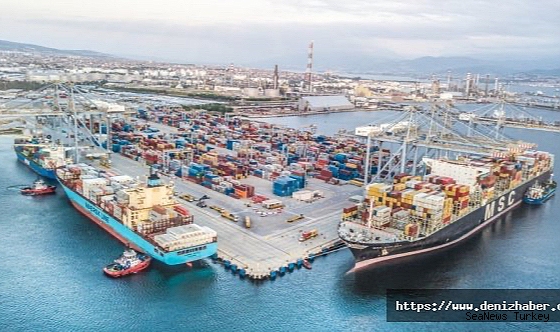
Piraeus, the country's largest port, recorded revenues up 8.6% to EUR 250.8 million (US$ 292 million) in 2025, despite container throughput falling to 4.6 million TEU. The Cosco-controlled hub is expanding capacity to 10 million TEU annually, but traffic has been impacted by rerouted trade due to threats from Yemen-based Houthis.
Thessaloniki also posted record revenues and profits last year. The port, backed by Greek-Russian interests, aims to become a leading transport hub for Southeast and Central Europe, with plans to double container capacity and strengthen intermodal links.
Thanos Pallis, a professor at the University of Piraeus, stated that privatization replaced state monopolies with private monopolies, raising costs for users. He noted that while financial performance has improved, cargo growth has lagged, and ports remain behind their European peers in adopting drones and energy transition investments.
Geopolitical tensions have added pressure. Chinese control of Piraeus has drawn criticism from Washington, which is backing a rival facility at Eleusis. The Greek government has stood by its Cosco agreements, while U.S. plans for energy and military logistics could be implemented more quickly than transport projects.
Mr. Pallis mentioned that any new port development may attract only moderate traffic, but wider strategic interests could accelerate progress. The debate highlights the need for modernization and competition in Greece's port system.