Hapag-Lloyd Chief Executive Officer Rolf Habben Jansen has stated that the ongoing Middle East conflict generated approximately USD 600 million in additional cash costs for the company during the second quarter of 2026.
Hapag-Lloyd Chief Executive Officer Rolf Habben Jansen has stated that the ongoing Middle East conflict generated approximately USD 600 million in additional cash costs for the company during the second quarter of 2026. According to media reports citing his remarks at an earnings conference call, the overwhelming majority of these costs were attributable to rising fuel prices.
As outlined by Rolf Habben Jansen, the additional expenditure encompasses three principal components:
First, fuel costs. The rise in oil prices represents the foremost source of the additional outlay.
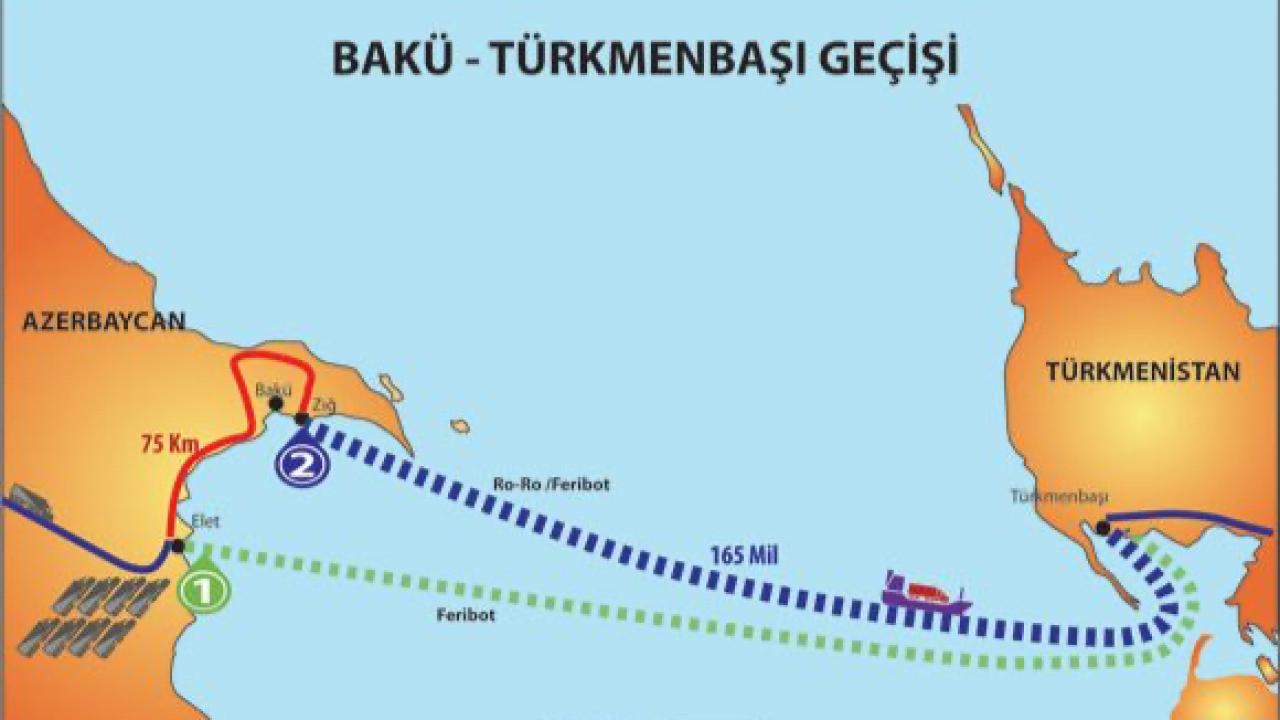
Second, alternative transport. To sustain cargo movement across select regions, Hapag-Lloyd established multiple land bridge corridors connecting upstream Gulf states.
Third, insurance and container storage. Disruptions to regional transport operations resulted in container detention, generating supplementary storage expenses.
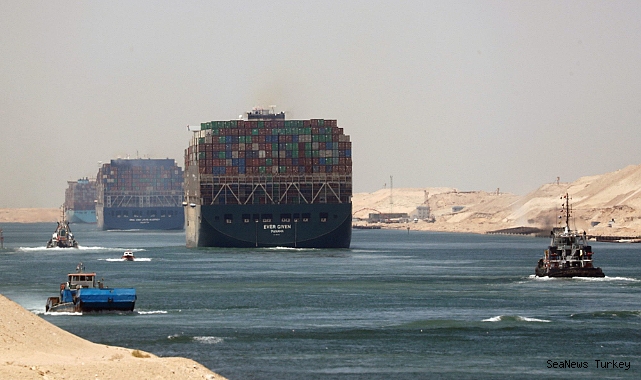
According to Hapag-Lloyd's latest disclosures, five services within the Gemini network continue to operate via the Red Sea and the Suez Canal - namely SE2, SE3, SE4, NE4, and IEX. The company notes, however, that the Red Sea accounts for a limited share of its overall network, with the majority of services continuing to route via the Cape of Good Hope. Hapag-Lloyd has confirmed that it will adjust its network configuration on an ongoing basis in response to the evolving security environment.
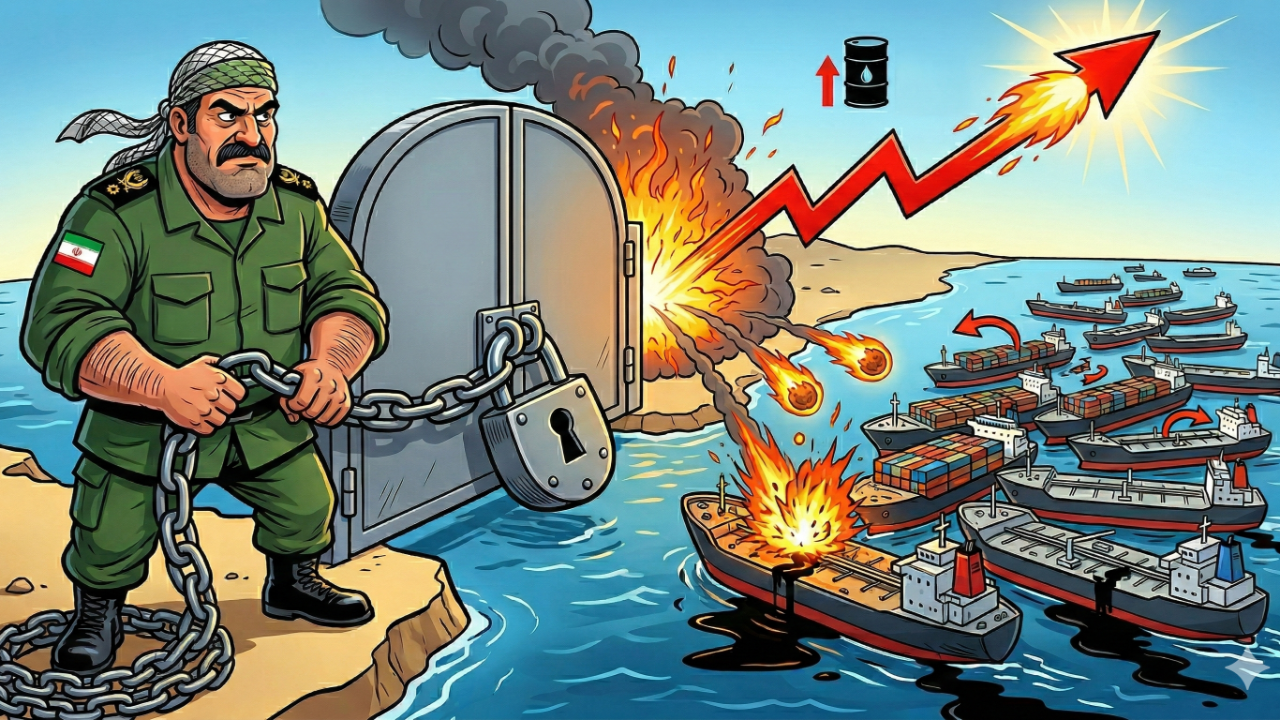
Hapag-Lloyd's previously published Q2 2026 results further indicated that disruptions to the Strait of Hormuz contributed to increased costs across fuel, insurance, warehousing, service rerouting, and inland transportation. Viewed through the lens of carrier cost structures, the impact of Middle East route disruptions extends well beyond vessel schedules and deviation routing - fuel expenditure, insurance premiums, overland alternative transport, and container turnover costs are all transmitted in parallel, reinforcing the systemic nature of the operational challenge.