As the Iran-US-Israel conflict intensifies, global energy infrastructure faces unprecedented attacks, impacting maritime operations and supply chains.
On the 20th day of the conflict between Iran and the US-Israel coalition, the course of the war has transformed into a full-scale economic assault on global energy infrastructure. As critical LNG facilities and oil refineries come under missile bombardment, the maritime sector is experiencing one of the heaviest crises in history.
Full-Scale Assault on Energy Infrastructure
Israel's airstrike on the South Pars gas field, the world's largest natural gas field jointly operated by Iran and Qatar, has completely disrupted the balance in the region. The Tehran administration responded to this move by declaring a 'full-scale economic war.' Ras Laffan Industrial City in Qatar, which alone meets about one-fifth of the world's liquefied natural gas (LNG) needs, became a target of Iranian missiles. QatarEnergy confirmed that a missile, which could not be intercepted by defense systems, struck the facility, causing 'extensive damage.'
Following Iran's new religious leader declaring energy facilities in Saudi Arabia, the UAE, and Qatar as 'legitimate targets,' regional governor Eskandar Pashalar stated, 'The pendulum of war has turned into a full-scale economic war.' After these threats, evacuations began at facilities across the Gulf, while global oil prices surged sharply.
Humanitarian and Commercial Chaos in Maritime
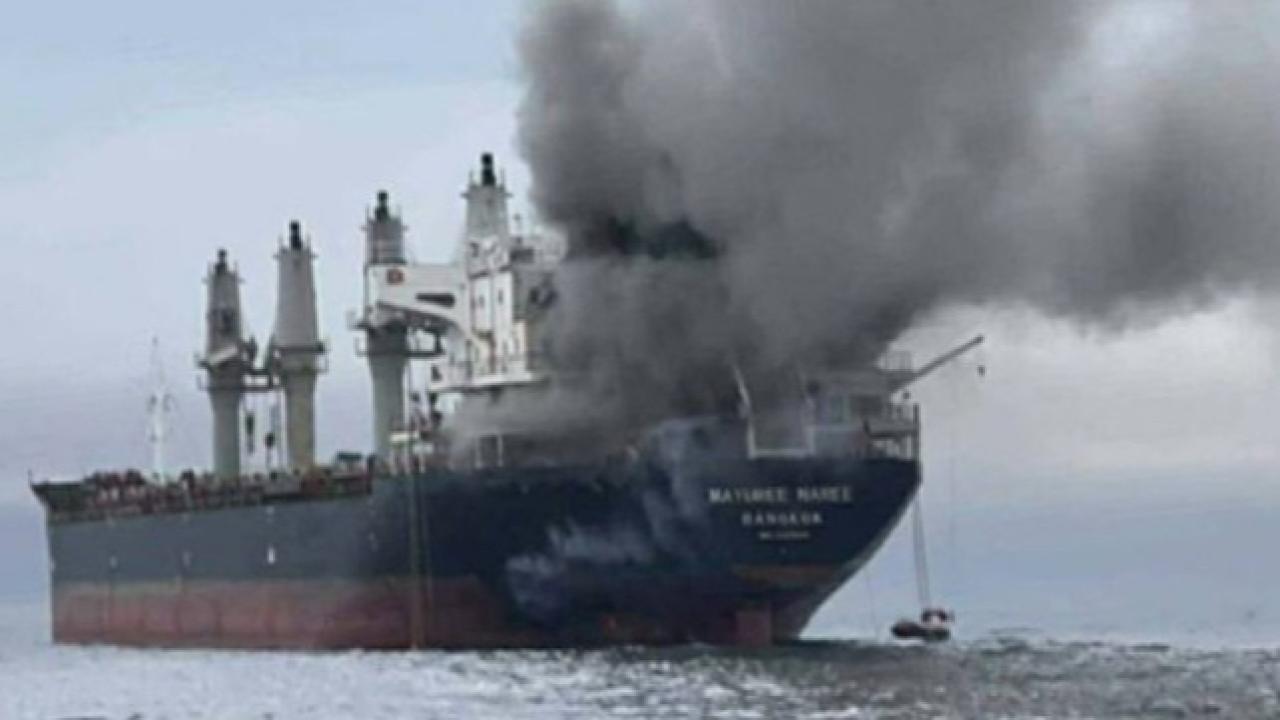
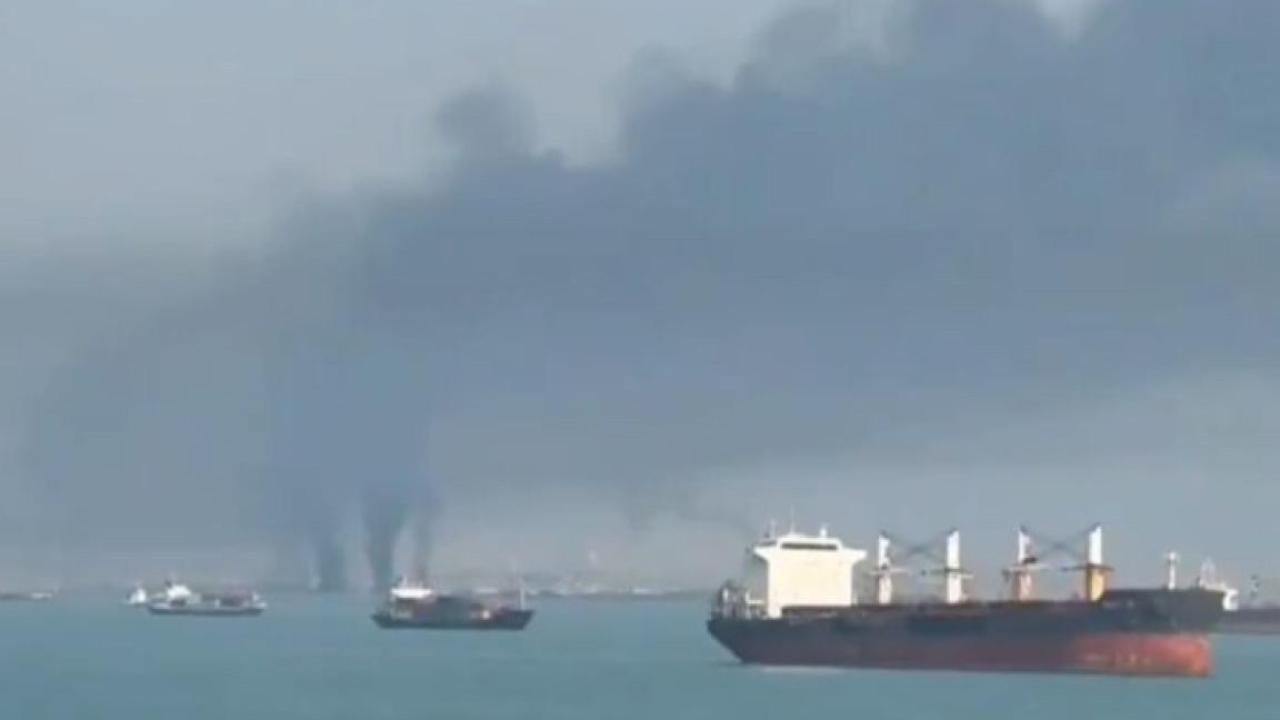
The cost of the crisis at sea continues to escalate. A tanker flying the Cook Islands flag caught fire after being struck by an unknown object off the coast of the UAE's Khorfakkan port. While 15 crew members were rescued by another vessel in the area, it was reported that the ship's captain is still missing. This incident has been recorded as the 21st commercial vessel targeted since the conflict began on February 28.
'Academic' Records in Freight Market
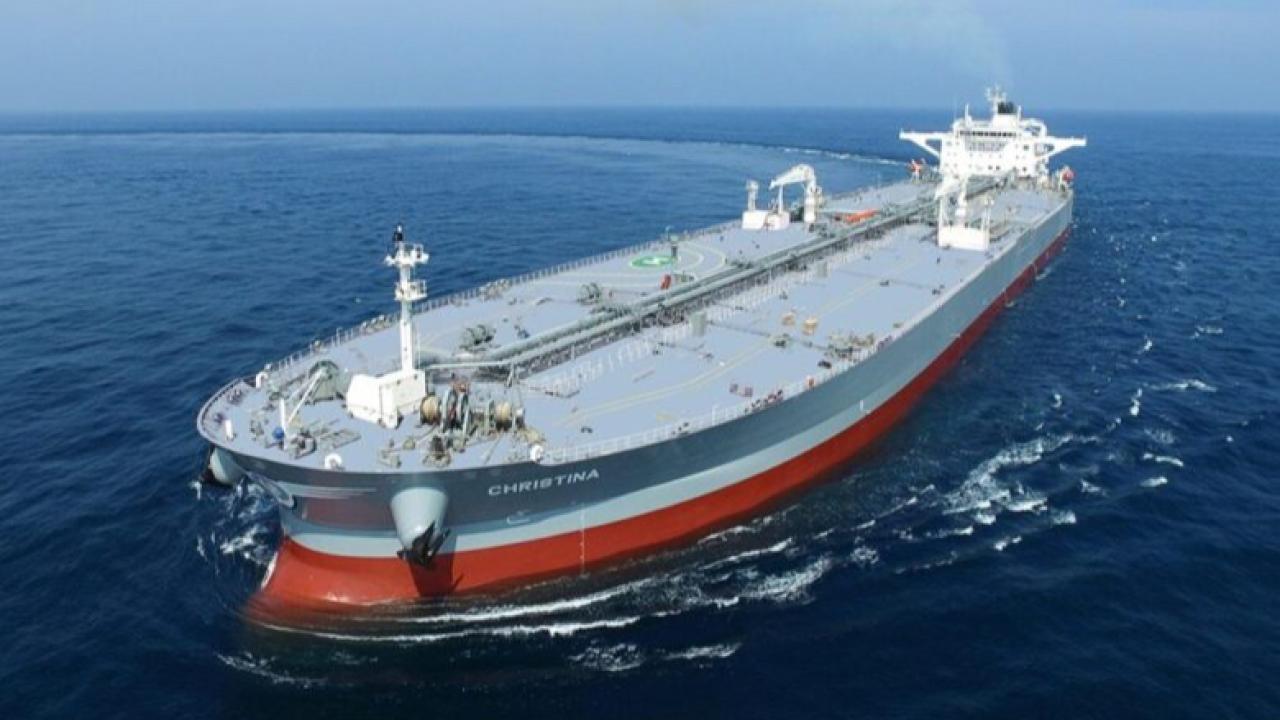
Despite the Strait of Hormuz being effectively closed, unimaginable figures are being mentioned in the markets. The daily rental fee for a VLCC (Very Large Crude Carrier) has reached $752,000, setting a historical record. However, experts warn that these figures remain 'on paper.' Fearnleys emphasized that due to the closure of the Strait of Hormuz, the likelihood of these agreements being realized is low, and that the prices represent 'academic estimates' rather than current market realities.
International Reactions and Urgent Measures
USA: The Trump administration approved a 60-day Jones Act waiver to ease maritime transportation restrictions in order to alleviate the fuel crisis in the domestic market.
IMO: The Secretary-General of the International Maritime Organization, Arsenio Dominguez, who convened an extraordinary meeting in London, stated that the situation is 'unacceptable and unsustainable,' condemning the use of the maritime sector as 'collateral damage' in this conflict.
ICS: The International Chamber of Shipping warned that approximately 20,000 seafarers are stranded in the region and that supplies of food and fuel are running low, calling for an urgent corridor for safe passage.
In this process, where the global supply chain and food security are hanging by a thread, all eyes are on whether the parties will de-escalate tensions.
Source: SeaNews Türkiye