Geopolitical instability and logistical challenges are driving freight rates higher across key global shipping routes.
Geopolitical instability and logistical challenges are driving significant increases in freight rates across critical global routes. The Middle East conflict continues to disrupt trade, with risks in the Strait of Hormuz and Red Sea impacting shipping capacity.
Compounded by port congestion, peak season demand, and capacity constraints, freight rates for China-to-Middle East lanes have surged. Recent quotes for 40-foot containers have surpassed USD 10,000, marking a sharp rise from approximately USD 7,000 just weeks ago.
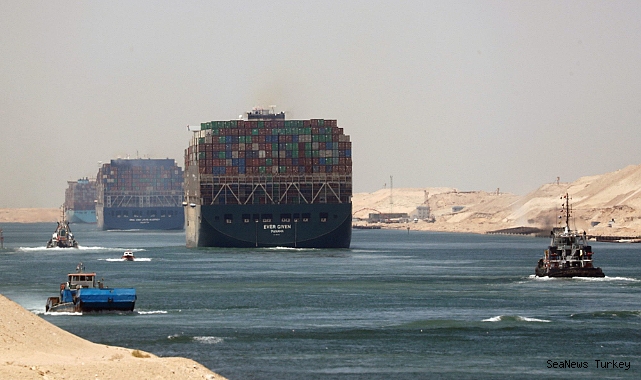
Reports highlight that spot rates from Shanghai to Saudi Arabia's Jeddah port now exceed USD 10,000 for 40-foot containers, with similar trends seen at ports in Kuwait and Iraq. Inland destinations like Riyadh are also facing increased transport costs. The conflict has reduced shipping capacity, with carriers navigating transit risks, higher insurance costs, and vessel redeployment challenges. Although some vessels have resumed Suez Canal transits, delays and elevated costs persist due to safety concerns and operational adjustments.
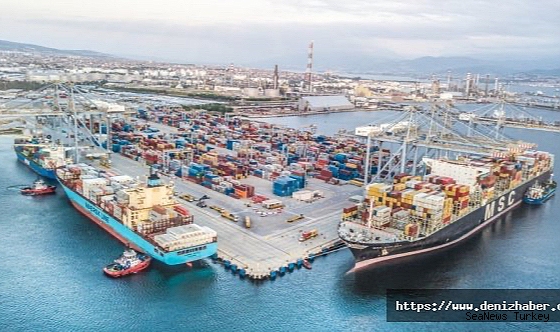
Port congestion is adding to the strain, with several Middle Eastern ports experiencing delays. Shanghai Port saw a backlog of nearly 400,000 TEUs due to typhoon activity, further compressing capacity and impacting schedule reliability.
Meanwhile, US East Coast routes face parallel pressures. Capacity on Asia-to-US East Coast lanes dropped by 9% in August, significantly outpacing the 0.4% reduction on US West Coast routes. This tightening has pushed carriers to propose rate increases of USD 400-500 per 40-foot container, effective early September. Additional Panama Canal surcharges, introduced due to drought-induced draft restrictions, are further raising costs. With daily vessel transits through the canal set to decrease further in September, waiting times and operational costs are expected to rise.
As seasonal demand softens post-September, rate increases may stabilize, depending on booking volumes and load factors. However, geopolitical risks, port congestion, and capacity management continue to sustain elevated rate levels. Carriers like MSC have already signaled September rate hikes, with some quotes exceeding USD 10,000 for 40-foot containers.
In the near term, global freight rates are likely to remain high and volatile, driven by conflict, weather disruptions, and capacity constraints. Industry consensus suggests these pressures will persist through late Q3 and into early Q4, emphasizing the importance of careful transport planning for cargo owners and forwarders.