
The EU proposes a complete ban on maritime services for Russian oil, aiming to strengthen its negotiating power amid the Ukraine conflict.
The European Commission has proposed a complete ban on maritime services based in Europe for the transportation of Russian crude oil in its latest sanctions package against Russia. This move by Brussels is seen as an effort to enhance the European Union's negotiating power in the diplomatic process surrounding the Ukraine war.
If the proposal is accepted, EU-based shipowners, insurance companies, financial institutions, and other maritime service providers will not be able to participate in Russian oil transportation in any way. This approach represents a harsher sanction compared to the G7 'price cap' policy implemented under the leadership of the United States in 2022.
Step Back from the Price Cap
The price cap system implemented by the G7 countries allowed European companies to provide transportation and insurance services on the condition that Russian oil was sold below a specified level. This limit, applied at approximately $47.60 per barrel in Europe, provided an opportunity for EU-based commodity traders, shipowners, and insurers to engage in trade without falling into the risk of sanctions.
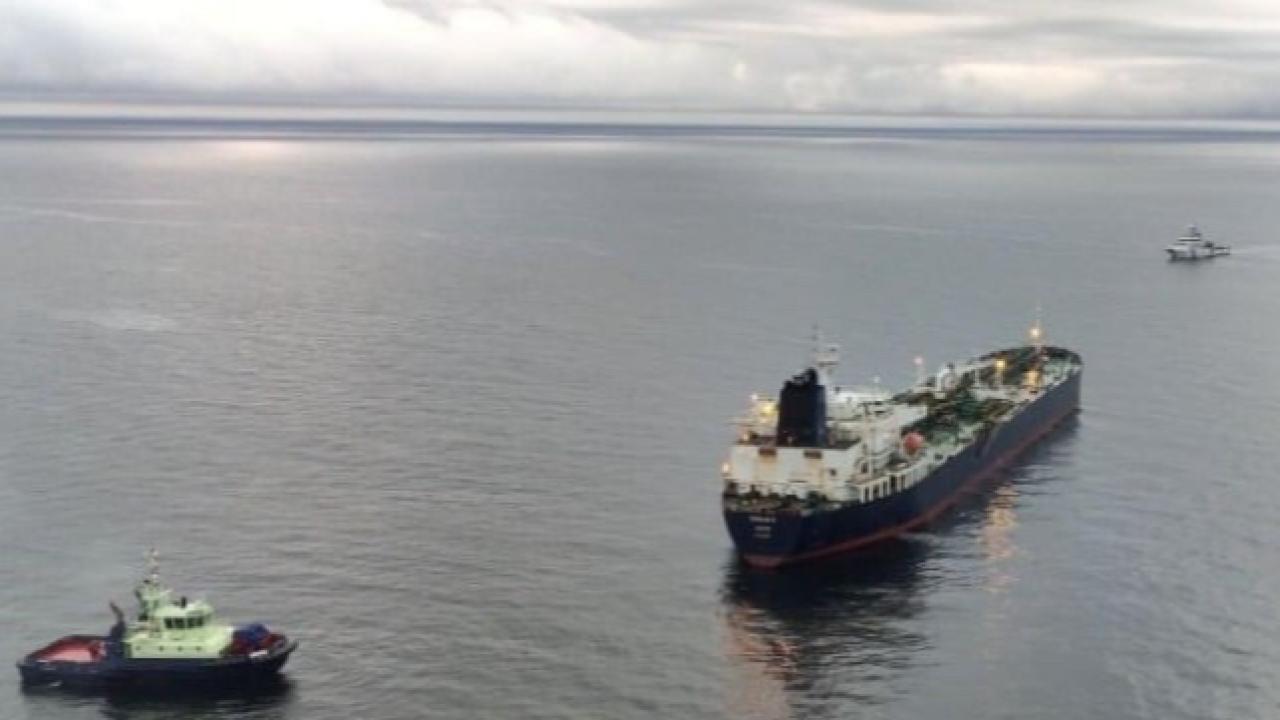
According to Brookings data, more than one-third of Russian oil exports through the Baltic Sea were transported by 'legal' tankers in this manner, while the remaining portion was carried out by a 'shadow fleet' outside the EU.
European Commission spokesperson Paula Pinho stated, 'Until now, oil exports including Europe had continued thanks to the price cap. With this ban, exporting oil from Russia will become even more difficult. This is the rationale behind the proposal.'
Third Country Facilities Also Targeted
The sanctions plan targets not only transportation but also foreign facilities processing Russian crude oil. Sanctions are expected to be imposed on two oil terminals in Georgia and Indonesia. This move is seen as a message that the EU will also target actors that indirectly contribute to Russian energy trade.
Seeking Negotiating Power
The proposal has emerged in the shadow of ongoing discussions between the United States and Russia regarding the future of Ukraine. The EU, which has played a limited role in the process, aims to increase its influence at the negotiating table by utilizing economic pressure tools.
EU High Representative for Foreign Affairs Kaja Kallas stated that Moscow needs to shift from 'pretending to negotiate' with Europe to genuine negotiations, expressing that oil sanctions could accelerate this process.
Shadow Fleet Risk
Experts warn that a complete service ban could create new risks. The G7 price cap policy has already led to a significant portion of Russian oil being transported by a 'shadow fleet' consisting of poorly regulated, uninsured, or low-standard tankers.
According to sanctions expert Alexander Brandt from the global law firm Reed Smith, it is becoming increasingly likely that the EU and possibly the UK will move towards a comprehensive ban on maritime services. However, Brandt warns that conducting all shipments with such tankers could exacerbate security and environmental risks.
Experts believe that the impact of the sanctions is still unclear. A complete ban could pressure Russia's oil revenues; however, there is also the possibility that it could lead to the further growth of an unregulated 'parallel fleet' in international maritime transportation.
Source: SeaNews Türkiye


