
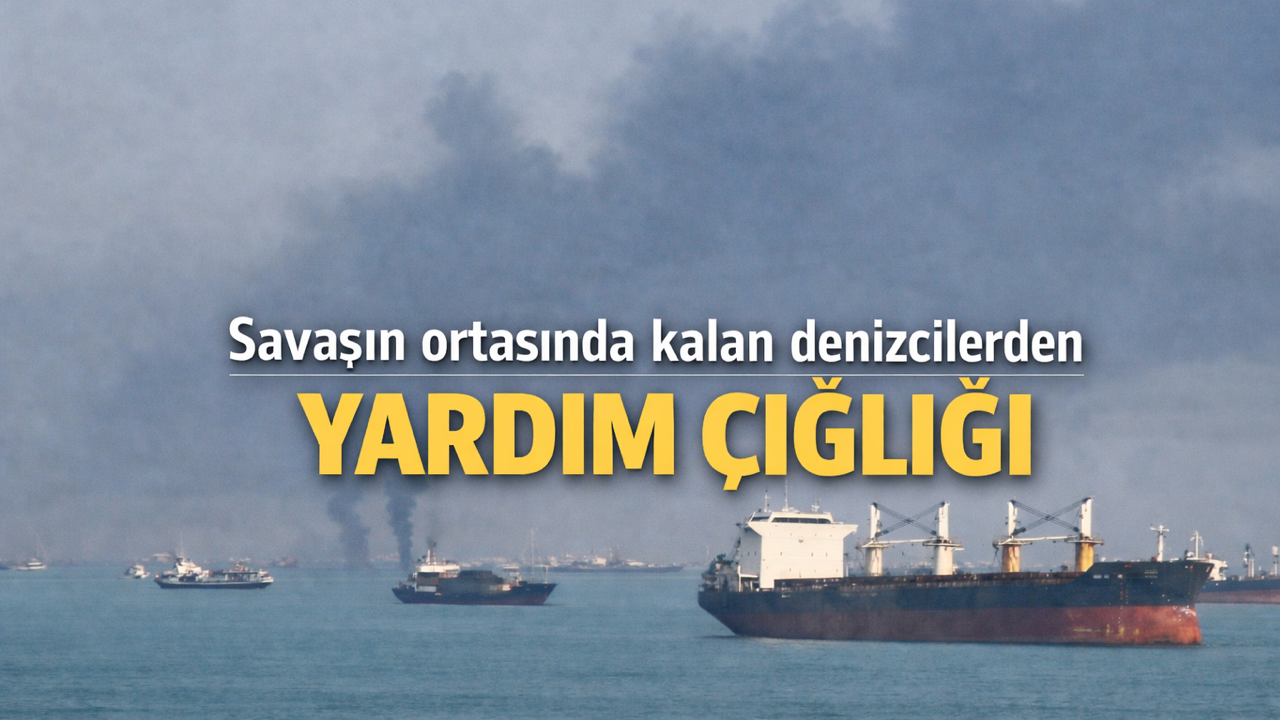
20,000 seafarers are stranded in Hormuz amid rising attacks. ITF reports over 1,000 distress messages; urgent calls for humanitarian corridors.
Seafarers Caught in the Midst of Conflict
As 20,000 seafarers are stranded in Hormuz, attacks are increasing. The ITF has received over 1,000 distress messages, and calls for a humanitarian corridor continue.
The 2020s have emerged as a challenging period for seafarers at sea. The Covid-19 pandemic, rising cases of crew abandonment, and the long-standing Red Sea crisis have put significant pressure on the sector.
Now, the new crisis in the Strait of Hormuz has further exacerbated this situation. According to the United Nations, on the 34th day of the crisis, approximately 20,000 seafarers are stranded in the Persian Gulf.
Following the operations initiated by the US-Israel coalition against Iran on February 28, security risks in the region have rapidly increased.
Since the beginning of the crisis, there have been over 20 attacks on vessels in the strait, resulting in the deaths of 10 seafarers and injuries to 8 others.
A similar situation occurred at the beginning of the Russia-Ukraine war in 2022, when commercial vessels were stranded in Ukrainian ports.
Damien Chevallier, Director of the Maritime Security Division of the International Maritime Organization (IMO), stated in his assessment of the current situation, 'There is no precedent for so many seafarers being stranded in modern times.'
Chevallier emphasized that the extent of the psychological pressure faced by seafarers can only be estimated, describing the situation as 'extremely frightening.'
Call for a Humanitarian Corridor
At an extraordinary council meeting held in London last month, the IMO supported the establishment of a humanitarian corridor for stranded vessels and seafarers.
However, two weeks after the meeting, no concrete steps have been taken in this direction.
The proposal is being compared to the Black Sea Grain Initiative implemented during the Russia-Ukraine war, which alleviated global food supply issues.
Calls for Help from Seafarers Increase
The International Transport Workers' Federation (ITF) announced that since the outbreak of the war, it has received over 1,000 emails and messages from seafarers stranded in the Strait of Hormuz and its surroundings.
This situation highlights the magnitude of the challenges faced by crews operating in the region.
Extension of Certificate Validity
The Directorate General of Shipping of India has extended the validity of crew certificates for seafarers stranded in the region by three months, similar to the method applied during the Covid-19 period.
The decision aims to prevent seafarers from facing operational and legal issues.
'Conflict Could Outdo Covid'
Steven Jones, founder of the Seafarers Happiness Index, highlighted the effects of the current crisis in a recent assessment:
'Despite all the challenges of the pandemic years, there was a sense that someone was trying to save lives during that time. The restrictions were harsh but humane. Now, however, crews are facing senseless violence, arbitrary danger, and unjust accusations. In terms of disrupting maritime stability, this conflict could even outdo Covid.'
'Attracting the New Generation Will Become Difficult'
Chevallier also pointed out the long-term effects of seafarers' security concerns on the sector, warning that, 'If seafarers do not feel safe, it will be difficult to attract the new generation to the sector in the future.'
Emphasis on Access to Basic Needs
The ICS and ITF met with representatives from Gulf countries to assess the impacts of the crisis. During the discussions, urgent needs such as providing supplies to vessels were highlighted.
ITF General Secretary Stephen Cotton stated, 'Seafarers are on the front lines of this conflict. Access to food, clean water, fuel, and medical care is a fundamental right. No seafarer should be forced to remain in a conflict zone against their will.'
Source: SeaNews Türkiye


