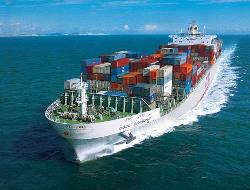
Tankers in the Black Sea are hugging Turkey's coast to avoid Ukrainian attacks, as tensions escalate and routes are re-evaluated.
Some tankers in the Black Sea are sailing close to Turkey's coastline to reduce exposure to Ukrainian attacks, reported Fort Lauderdale's Maritime Executive.
Ukrainian forces face challenges in distinguishing between shadow fleet tankers carrying Russian crude and legitimate vessels loading Kazakh oil at Novorossiysk. AIS tracking shows steady flows to the Caspian Pipeline Consortium (CPC) terminal, which handles about one percent of global crude output.
Roughly 85 percent of CPC volumes are Kazakh crude, with heavy Western investment from Chevron, ExxonMobil, Shell, and BP. About 15 percent is Russian oil, and Russia earns transit revenues as a CPC shareholder. Ukraine has targeted CPC facilities, prompting Kazakhstan to expand alternative routes via the Caspian to Baku and onward to Ceyhan.
Two shallow draft tankers, Liwa and Taraz, are already operating between Aktau and Baku under a joint Emirati-Kazakh venture. Kazakh President Tokayev has backed the diversification strategy to reduce reliance on Russian transit.
Recent tanker movements illustrate the risks. The sanctioned Russian tanker Strateg hugged Turkey's coast, while the UK-flagged Energy Delos and Liberian-flagged Delta Commander did the same despite carrying Kazakh crude. Delta Harmony, a sister ship, was damaged in a Ukrainian drone strike on January 13 while waiting off Novorossiysk.
Not all traffic seeks Turkish protection. Many vessels switch off AIS and take direct routes across the Black Sea, including the Russian-flagged bulk carrier Fedor bound for Lebanon and the sanctioned cargo ship Severniy Proect heading to Latakia from Sevastopol.