
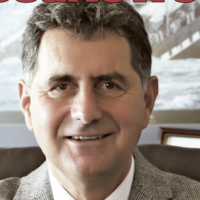
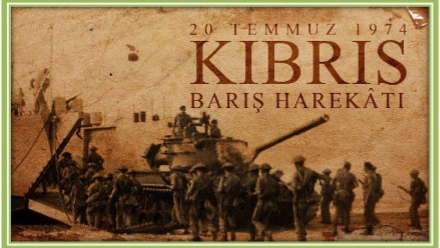
When I learned that our school's graduates had a share in this victory, I was genuinely excited. I am very happy to share with you the story of the YDO (Maritime Vocational School) fighters who participated in the Cyprus Peace Operation.
A post by my dear brother Hilmi Şahlı (88 Gv) took us back to the YDO fighters. In fact, our older brothers and classmates from Cyprus are aware of these developments, but we realized that we were not informed.
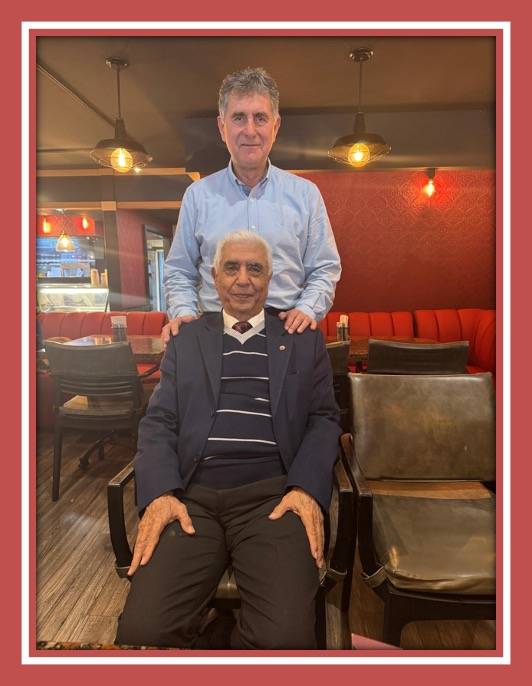
We immediately reached out to the living brothers and asked them to tell their stories in their own words. This led me to start working on the book "YDO LU MÜCAHİTLER" (YDO Fighters). I would like to share a short excerpt from this book, along with the photos I received from my dear brother Captain Enver Bilgili.
While writing the book, I was deeply moved by the fact that the struggle they fought for liberation and freedom as fighters still lives on within them.
As you read about what they did and continue to do, not just for the liberation of Cyprus but also for Cypriot maritime affairs, you will witness that the spirit of the fighters is still alive.
I wish you good reading. A. İlker MEŞE
I was born on April 15, 1945, in Kalkanlı Village of Baf District. I completed my middle school at "Baf Kurtuluş Lisesi" and my high school at "Lefkoşa Türk Lisesi."
A scholarship exam was announced for higher education, and they sent three people to the Maritime School. What was the reason? In the summer of 1963, the goal was to establish the Republic with a 30%-70% ratio. We started working together as Greek and Turkish partners. We were getting jobs in government offices at a 30% ratio.
The Famagusta port was opened, which was previously managed by the British. When it transitioned to the Republic of Cyprus, the Greeks appointed a Port Director there. They took over the management. They asked for a Pilot Captain from us. There were 3-4 pilots working, and they wanted 1 pilot from us at a 30% ratio, but there was none; there were no seamen. There was one person, a graduate from London, whose father was already operating the pilot boat at the port. He graduated, but due to his eyesight, England did not give him a license. He applied, and they accepted him. For about 9-10 years, our Captain Yalçın worked as a trainee pilot. He was a kind of pilot for the Greeks but could not provide full service. I believe this is why they offered scholarships. We had no seamen. I joined in 1963, but then 2-3 more people applied. In 1963, when I was in the 1st grade, my older brothers were in the 4th grade. Ergun Fadıl Demirciler, Yusuf Bayramoğlu, Captain Böğürtlen (who recently passed away), İlteriş Yemenicioğlu, Alper Tunga. I, Mehmet Oğuz, and Gültekin Portioğlu went as the last 3 scholarship students; when we went, we were 8 people. One did not like it and went to study chemistry. Gültekin Portioğlu and I enrolled. Gültekin enrolled in Machinery, and I enrolled in Deck. That’s how we started. I evaluate that the scholarship was given to meet the need for pilots.
We had to leave after 6 months of starting school. We came to school in September. The events in Cyprus began on December 21, 1963. We continued attending school.
One evening, 5 people from our upper classes disappeared. Everyone is asking us. We don’t know where they are. We think they are probably in Cyprus. On the 6th day, I was called. Ergun Demircililer from the 4th grade was on the phone. "Enver, pack 3-4 pieces of your belongings, hop on a bus and come to Ankara," he said. That was it. "Come to Ankara; there is a student dormitory. We will meet there; they will pick you up." I said, "Brother, how will I get out of the door? The school is a boarding school; I can’t go outside." "Call your brother Cengiz to the phone," he said. Cengiz Tok is his classmate. I called him. He told him to get me out the door. I was going to get out the door, but I had only been in Istanbul for 6 months. "You will get me out, but how will I go to Ankara?" I said. I had only gone to see friends in Ankara in February. "Go, you will find a car in Kabataş," he said. I left the school at 8 PM. I found a car. I arrived in Ankara the next day. They immediately took me to Zir Camp for training. We participated in fighter training with the 5 people who had come earlier. After 10-11 days of training, we were packed into vehicles and went from Anamur to Erenköy.
With other university volunteer fighter students, on March 30, 1964 (6 YDO students), and March 31, 1964 (2 people), a total of 8 YDO students went out and continued their duties amidst hot conflicts, shortages, and hunger. Their departure from Erenköy took until February 1966. Our training was interrupted for 2 years. When we returned to school, we continued our education from where we left off and graduated.
The YDO fighter student group is as follows:
1. Ergün Fadıl Demirciler Gv6-6 (deceased) 2. Yusuf Bayramoğlu Gv-66 (deceased) 3. İlteriş Yemenicioğlu Gv-68 4. Böğürtlen Zorlu Gv-68 (deceased) 5. Mehmet Oğuz Mk-69 (deceased) 6. Enver Yetkili Gv-69 7. Gültekin Portioğlu Mk-69 8. Alper Tunga Gv-68 (deceased).
The first six names (1-6) landed in Erenköy as the 4th Group on April 29, 1964. The names in (7 and 8) landed as the 6th Group on June 27, 1964.
I stayed for 22 months. After 22 months, we returned in February with 350 people. I will now give you what I gathered from Erenköy. We were there when the Cengiz Topel plane crashed; if they hadn’t come to rescue us, the Greeks would have thrown us all into the sea. We had no escape. A total of 600-650 fighters, according to the peacekeeping forces, they gathered 12,000 people. We had plenty of weapons and ammunition. We were constantly firing at the Greeks. What we did was actually wrong. Our commander was a Cypriot gendarmerie officer. "Why are you revealing yourself?" he said. We held that place; it was a bridgehead.
There was a weapon problem in Cyprus; the Greeks didn’t have many weapons, and we had none. I remember my father, uncle, and a few villagers going to the village entrance with their machetes to defend against a Greek attack. There were no weapons. The Bereketçiler started their first activities in 1958. After that, certain weapons began to be available in the villages. The group we called the Bereketçiler was bringing weapons. I couldn’t go back for a year after returning from Erenköy because the Makaron had decided that we couldn’t return to Cyprus for 5 years. However, we were pardoned a year later. When I came to my village in 1967, I found weapons in my house. My father was the commander of the village. He was transporting supplies to Erenköy. During the events of 1964, the village was besieged, and they experienced the events for 15 days. He also had a diary where he recorded his experiences.
The Bereketçiler were loading weapons onto their boats with a 3-person Bee team: Vehbi Mahmutoğlu, Elmas, Cevdet Remzi, and Uniformed Major İsmail Tansu.
After loading weapons onto a boat in Anamur, our Bereketçiler from Erenköy set off for Erenköy.
The Bereketçiler initially began transporting weapons on their own initiative. When two people brought 3-5 weapons, Denktaş supported them. Then they continued with 15-20 people. Erenköy was a bridgehead for bringing weapons from Turkey. The Bereketçiler did this work first, then we did.
Later, we started demonstrations. We held many demonstrations saying, "Army to Cyprus." We organized a demonstration saying we were going to Cyprus with 5 buses from Istanbul to Antalya, with both girls and boys. In Antalya, we seriously seized a boat, but it was broken, and we couldn’t set sail.
Cypriot students on a fishing boat in Antalya.
Cypriot students at the rally site.
Actually, what would we do when we went to Cyprus? We didn’t even have weapons. But we were doing these things to mobilize the government. We returned to Istanbul, and we learned that Ergun Fehmi, the President of our Student Union in Istanbul (he passed away 2 months ago; at that time, he was in his 2nd year at ITU), met with İnönü. İnönü said, "Don’t worry, I will intervene." We have a book at the Erenköy Fighters Association. They compiled memories. According to what is written there, only planes flew over Nicosia; there was no intervention.
This time, we started chanting, "Not the army to Cyprus, send us to Cyprus." There was a plan; the commander of the Special Forces and the Ambassador of Cyprus, Ertuğrul Bey, said, "Okay, you go." But the goal was still to send weapons there.
Fighter students in shooting practice.
After the Bereketçiler, we continued the same mission. I understand these things better now. After entering the administration, I started to see things more clearly. Since Erenköy was a bridgehead, our weapons would come from there. Anyway, they sent us to Cyprus.
There was a Swedish officer among the Peace Forces. We can say he was living in exile here because his country stripped him of his citizenship. His story is very interesting. Our weapons coming there were distributed by the Peace Forces soldiers for money. They put the weapons inside their vehicles and distributed them to Turkish villages in Nicosia and Lefke. Our Swedish officer started doing this distribution for free. He explained it like this: "I was assigned as an officer to the Erenköy region, and secretly weapons were coming to the Turks from Erenköy, while on the other side, Limassol, Larnaca, and Baf were receiving as many weapons as they wanted. Greek soldiers were also coming with weapons. Then I understood that you are the victims." One evening, when we served him dinner, he told this story. The man was caught and stripped of his Swedish citizenship. He did tourism in Antalya for 20 years, and now he lives here, around 85 years old. We visited him a month ago. I know his house; we can visit him together.
These are beautiful memories.
Weapons are being distributed everywhere. When there are plenty of weapons and ammunition, we are constantly firing. There is one Greek village in the middle of 5 villages; when we keep firing, the Greeks get disturbed. They gathered 12,000 people around us. They would have thrown us into the sea on August 8, 1964; there was no way out. Planes came and rescued us.
Cengiz Topel was martyred. A ceasefire was declared. There was no conflict. We stayed there for another 20 months. We said there was nothing left here; the ceasefire was made; we asked to be sent back to our schools. Anyway, they sent us back after 20 months.
The YDO fighters at our school in Ortaköy.
We returned to our school and started again. As for school memories, in the last class, I was with İlhan Uçansu and Soner Yaman on the Gaziosmanpaşa ship. We were 5 people at that time; may God rest his soul, Çağlar Ketme was also there. There was also a Syrian friend. But my classmates in the second semester. I was supposed to graduate in 1967, but I graduated in 1969 with a two-year delay. Together with my other friends, we graduated as 8 people. After us, 50-60 more people graduated. They are working on Turkish ships.
In 1996, with the initiative of our association (I was the president in 1995), we established a maritime faculty with Mr. Suat Günsel (the owner of Near East University, who has now established Girne University). I am teaching there. We are working hard for the growth of Cypriot maritime affairs. Why are we striving? We learn from the Greek side at IMO meetings that they rose to 4th in the world in 1994. I attended 6 times with the Turkish delegation; according to the minutes of the general assembly at that time, they were the 4th in the world. Now they are 11th in the world.
They have revenues of 1.1 billion dollars. 7% of their budgets. We are doing something, but we are not recognized. This is very important; the ship registry passed through the Cypriot parliament on June 63. Since there was no conflict yet, there were Turkish people in the parliament at a 30% ratio. The ship registry law was passed with both Turkish and Greek votes. Since 1964, we had started using Cypriot laws. Both sides began to use them. The Greek Cypriot side is now earning 1.7 billion just from the ship registry, and they have their own fleets. They are separate.
I participated in their general assemblies in 2015. They hold it every two years as Maritime Cyprus. According to the figures I received from there, they are earning quite a bit of money. But they do not recognize our flag. We had attempts. We sent our ships to Italy, Russia, and Israel. They would ask those who went under the TRNC flag, "Where is Gazi Magosa?" Captain Yaşar would say it is a port in the Black Sea. Of course, there are difficulties. They want to do business. They will operate ships, and if there is a problem at a port, they will lose money. We had to give up using the TRNC flag and started using the Turkish flag. We have 20 ships operating between Cyprus and Turkey. They operate as passenger and Ro-Ro. They go back and forth to Mersin. On the other side, there are nearly 1000 ships. A lot of personnel are working. They have earnings of 1.7 billion dollars.
In short, we couldn’t do it; we couldn’t manage it. In the Annan peace plan, I represented Cyprus in maritime with a team of 4-5 people. I said let’s make Gazi Magosa a registry port; the Greeks opposed it. They said there is an advanced port in Limassol; what’s the need? However, the Swedish Simon understood me, and Magosa became a registry port. If we had been federated in 2004, this decision would have been made. We later understood that this Annan Plan in 2004 was a game. We had such efforts, but since we are an unrecognized country, we can only work with Turkey.
After graduating, I worked at sea for 4-5 years on an Israeli ship and then on a Danish ship. When we graduated, we couldn’t work on Turkish ships. The reason was that we were considered foreign nationals. They couldn’t give us a license. They issued a document equivalent to a license from the Ministry of Transport. We worked on various ships with that.
During the operation on July 20, 1974, I was on an Israeli ship heading to the Far East. When we arrived at the port of Singapore, we learned that the operation was happening. I asked for permission. Zim Lines was very pleased with me; they insisted that I stay. "Look, I don’t know what happened to my family; the last letter I received was 1.5 months ago," I said. The personnel manager said, "If you go, you can’t come back; they need money now; stay." I said, "I will come back." "If you go, you can’t return," he said. The man was a captain who had experienced the same thing in the 67 war; he was experienced. He was trying to convince me. "Look," I said, "let me go to Istanbul, call my wife, let her come, I want to see her, and I want to see my children; I will return." They kindly gave me a return ticket. We arrived in Istanbul; the captain was saying, "If you go to Cyprus, you can’t come back," and this time my wife couldn’t come out. We had to decide to go to Cyprus; we came to Cyprus with the Yeşilada Ferry. I found my family; everyone was okay. Only a bomb had fallen next to our house, and my car was wrecked with 18 shrapnel pieces. They had gone through a lot of danger.
I was already listening to the news. The Greeks described the area we referred to as the triangle of Nicosia, Ortaköy, and Boğaz. We pass through Gönyeli to get here. While listening to American news, I heard that they cut our Lefkoşa-Girne road twice. Once from Ortaköy and once from Gönyeli. I was hearing these things; it was impossible for me to stay. When we arrived in Cyprus, we learned that we would not be able to leave; we were forced to stay. We wouldn’t be able to continue our profession. Then, a week later, one of my brothers informed me. "Enver, they are looking for a pilot captain at the port," he said. The port opened on September 3, 1974, and I arrived in Cyprus on September 8. On September 15-16, we registered as pilot captains at Famagusta port.
The first pilot, Captain Yalçın, had studied in England; they were using him as a reserve pilot captain. Since they gave him a command during the landing, he couldn’t come to the port. Yusuf Bayramoğlu (66 Gv) and I started together. Then Ergun Demirci
Photo: DenizHaber
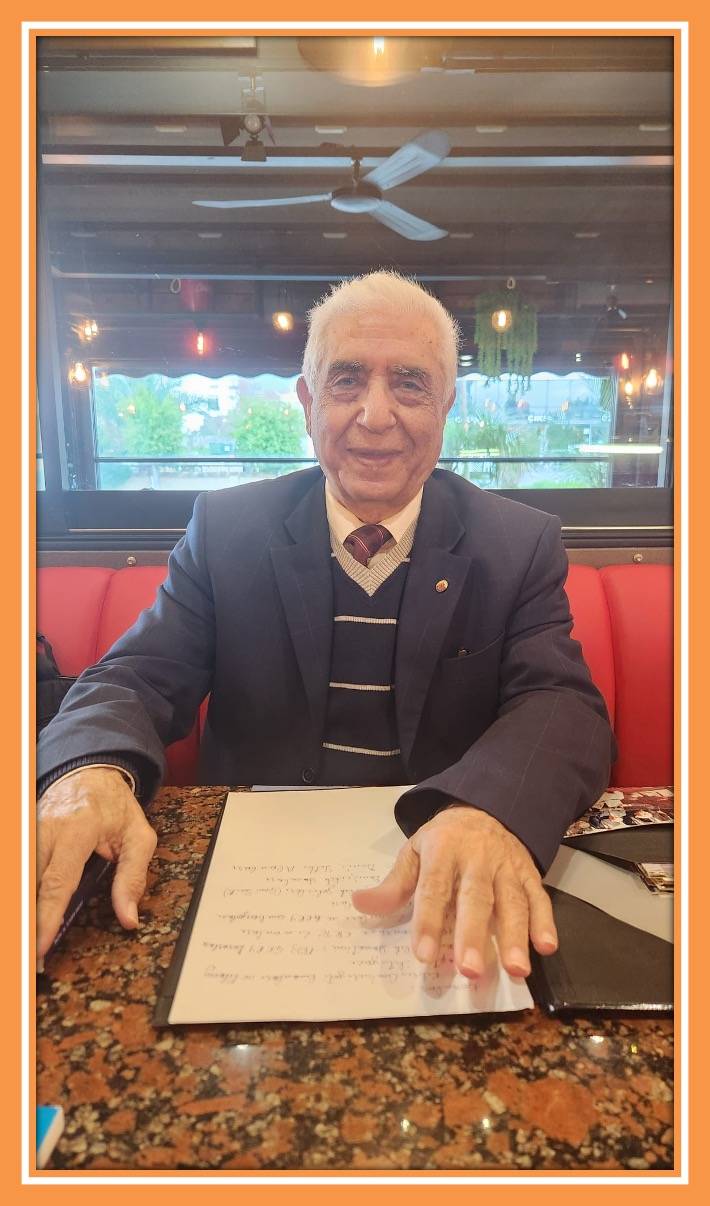
Photo: DenizHaber
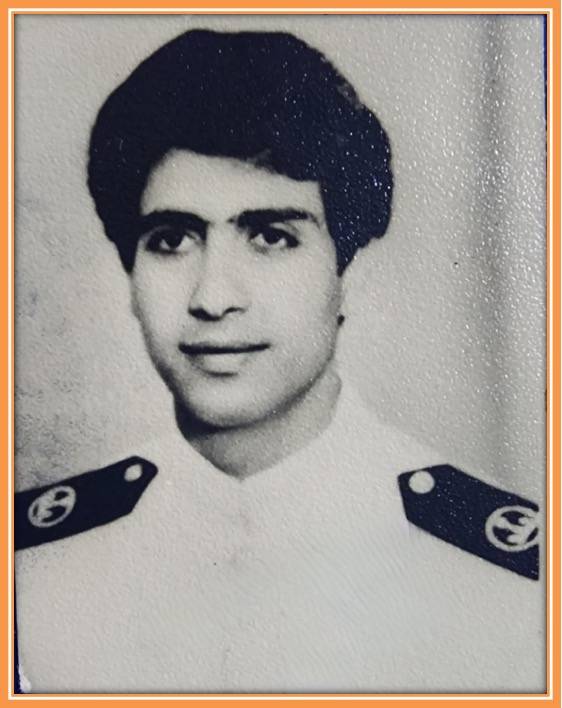
Photo: DenizHaber
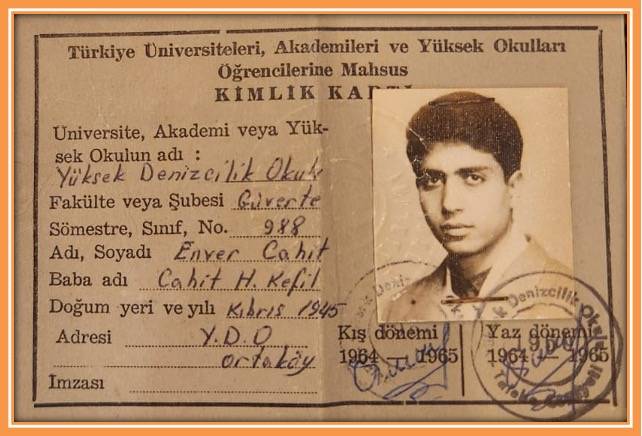
Photo: DenizHaber
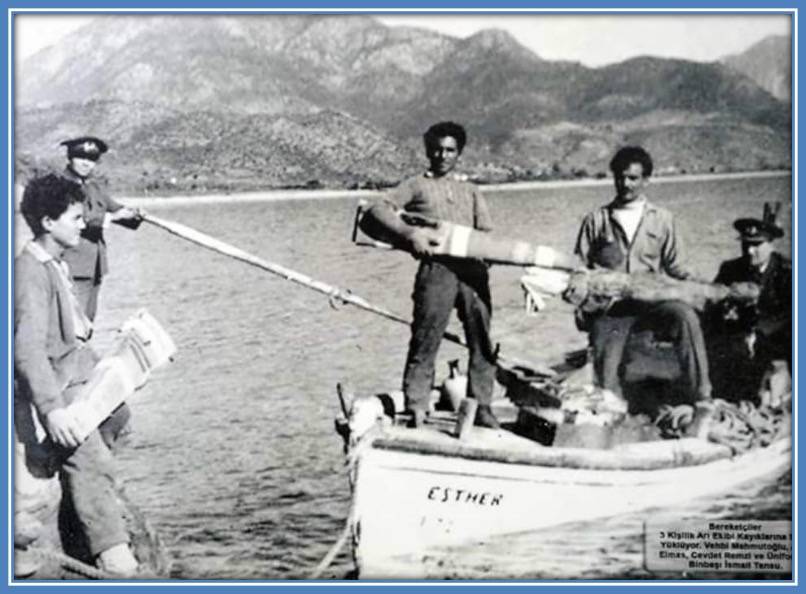
Photo: DenizHaber
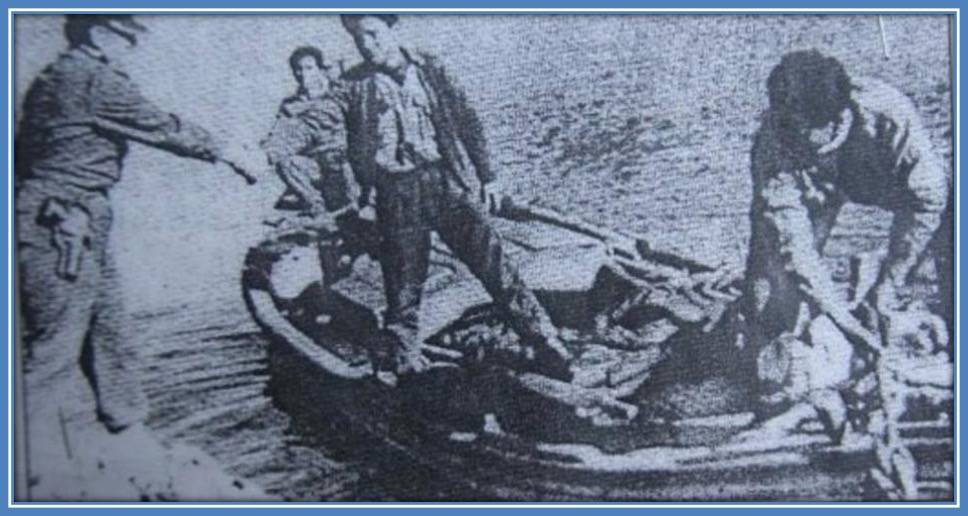
Photo: DenizHaber
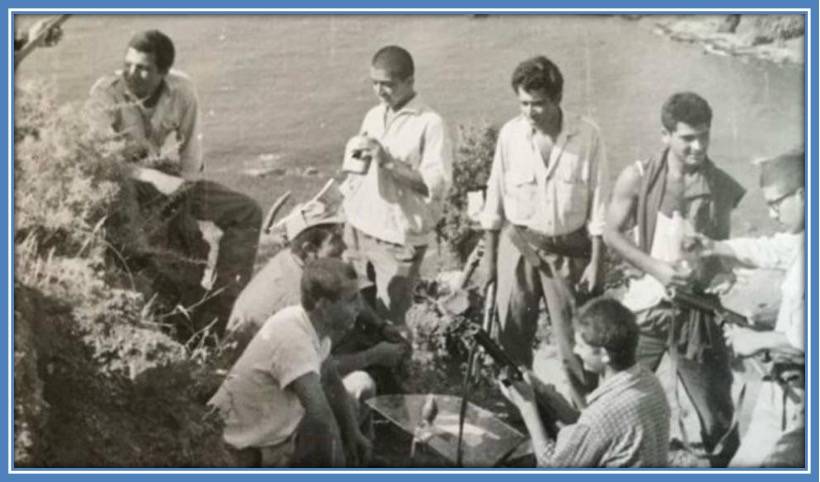
Photo: DenizHaber
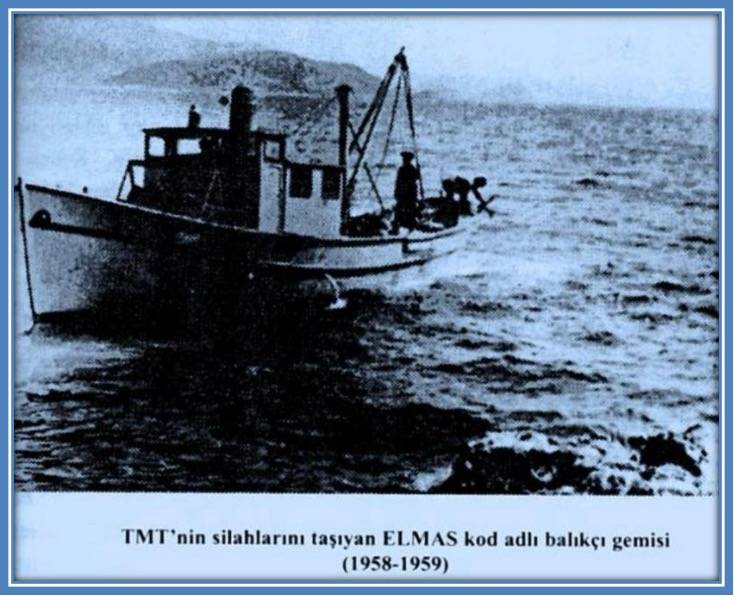
Photo: DenizHaber
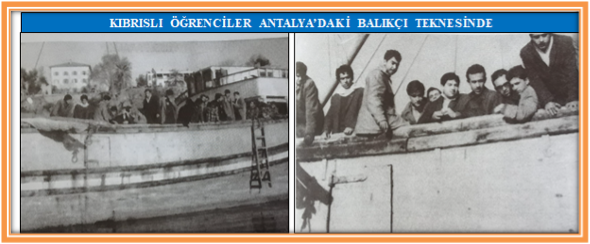
Photo: DenizHaber
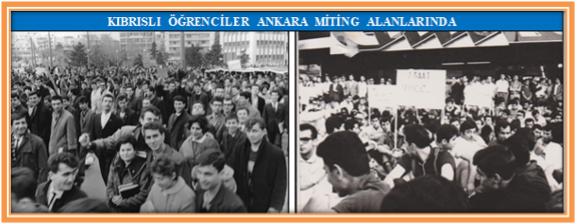
Photo: DenizHaber
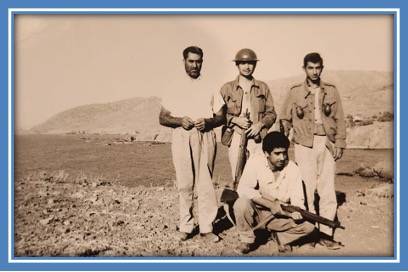
Photo: DenizHaber
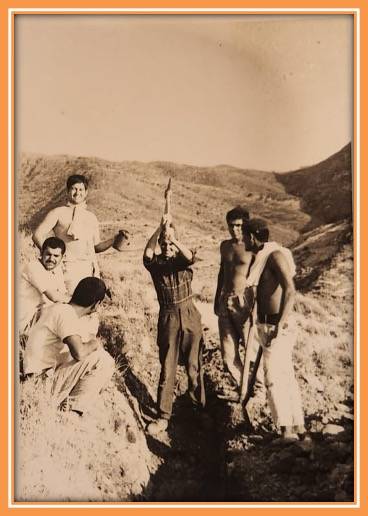
Photo: DenizHaber
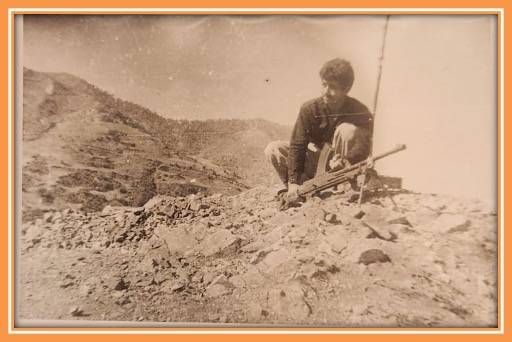
Photo: DenizHaber
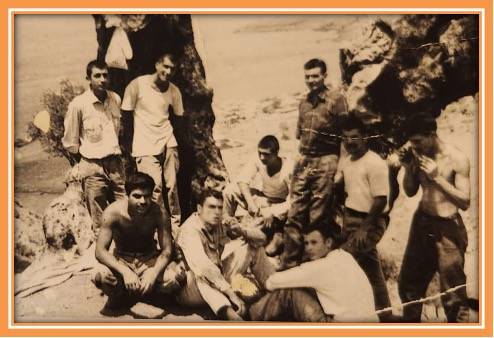
Photo: DenizHaber
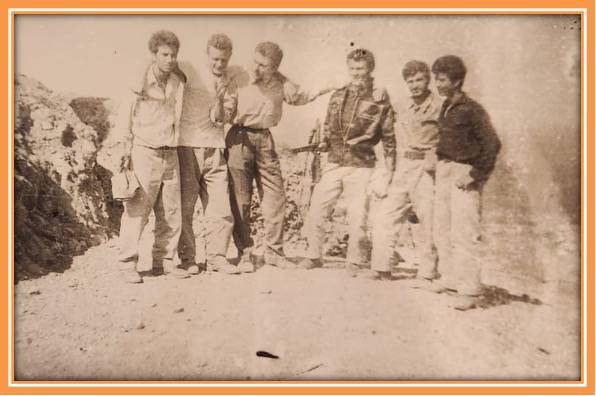
Photo: DenizHaber
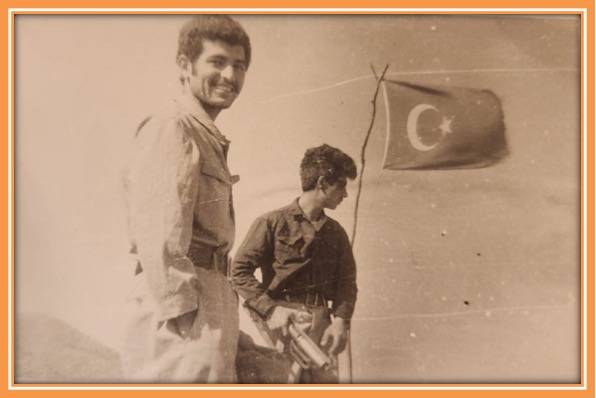
Photo: DenizHaber
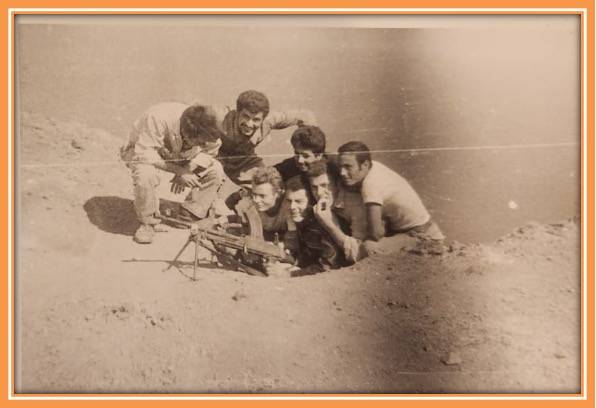
Photo: DenizHaber
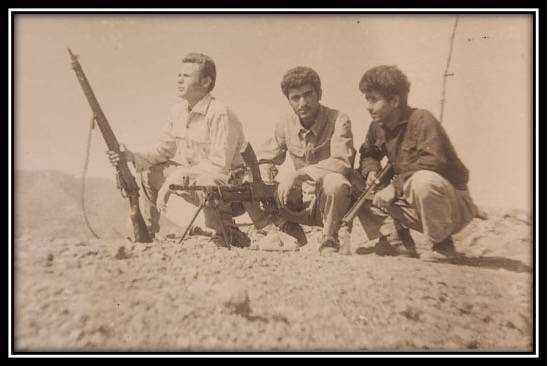
Photo: DenizHaber
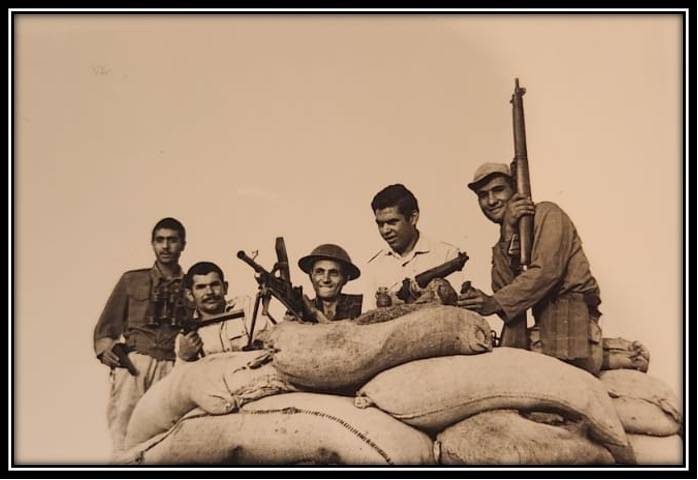
Photo: DenizHaber
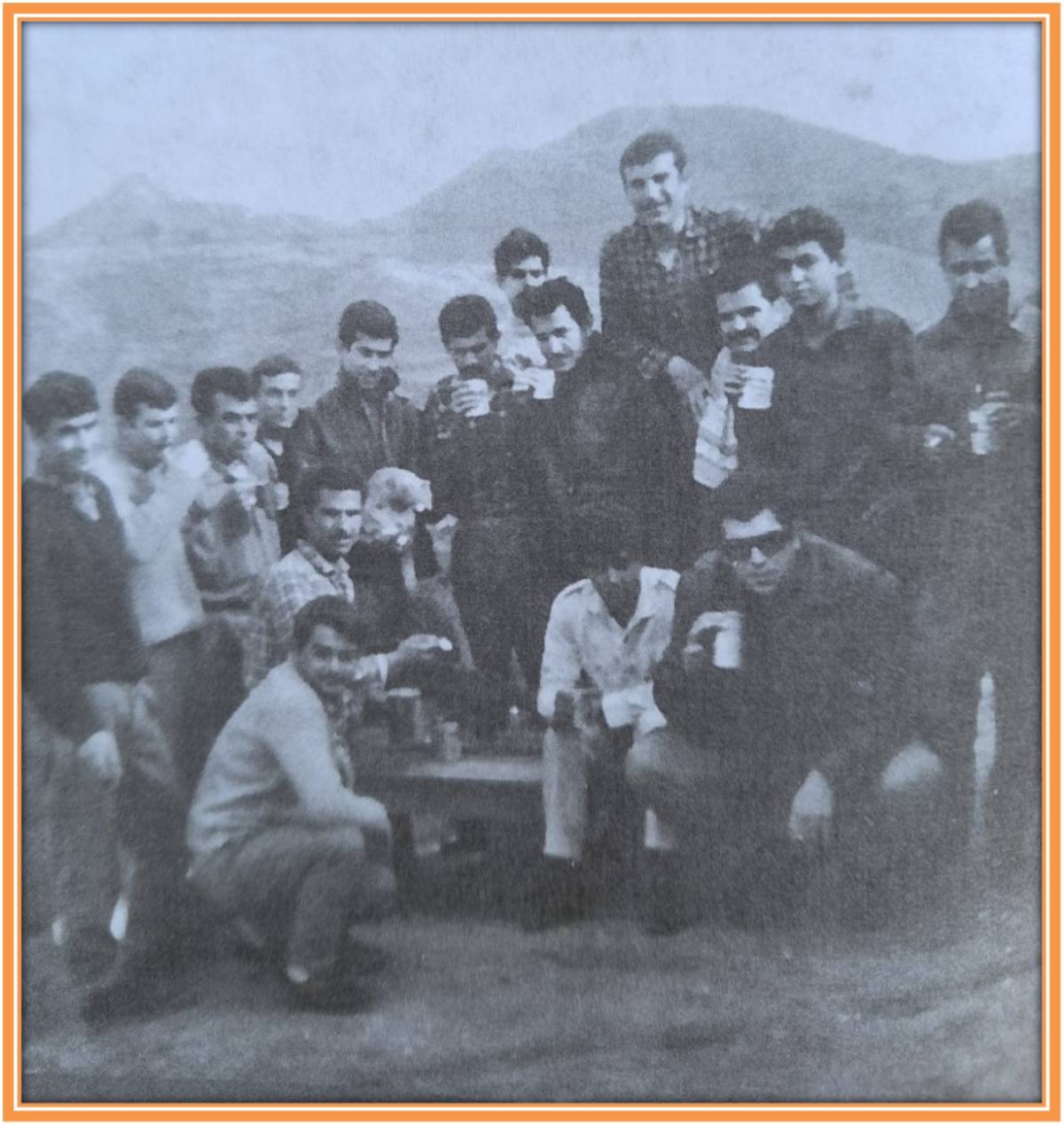
Photo: DenizHaber
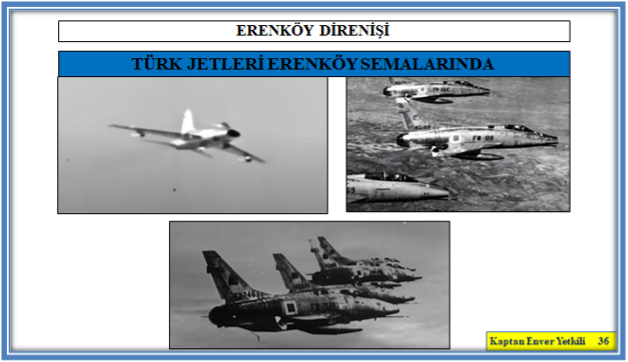
Photo: DenizHaber
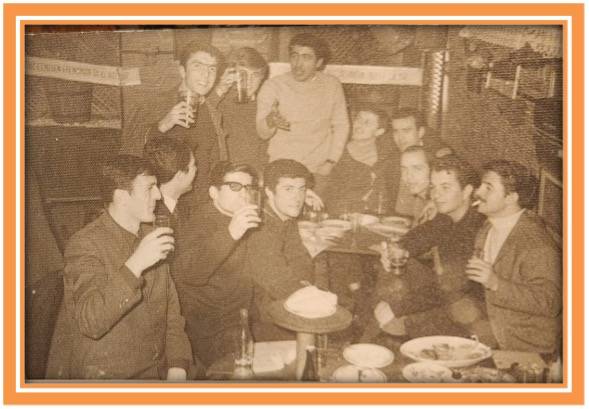
Photo: DenizHaber
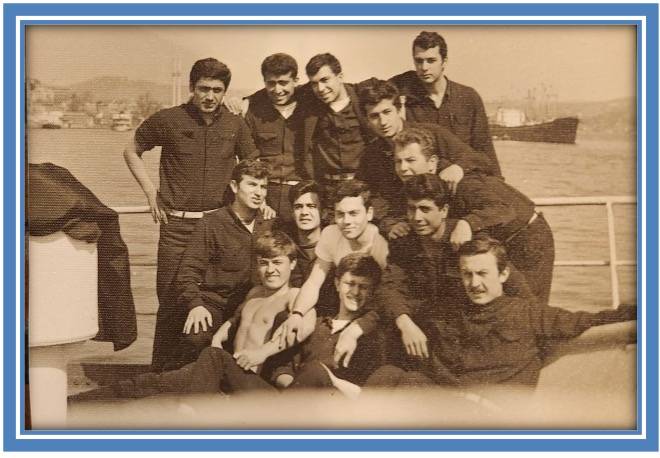
Photo: DenizHaber
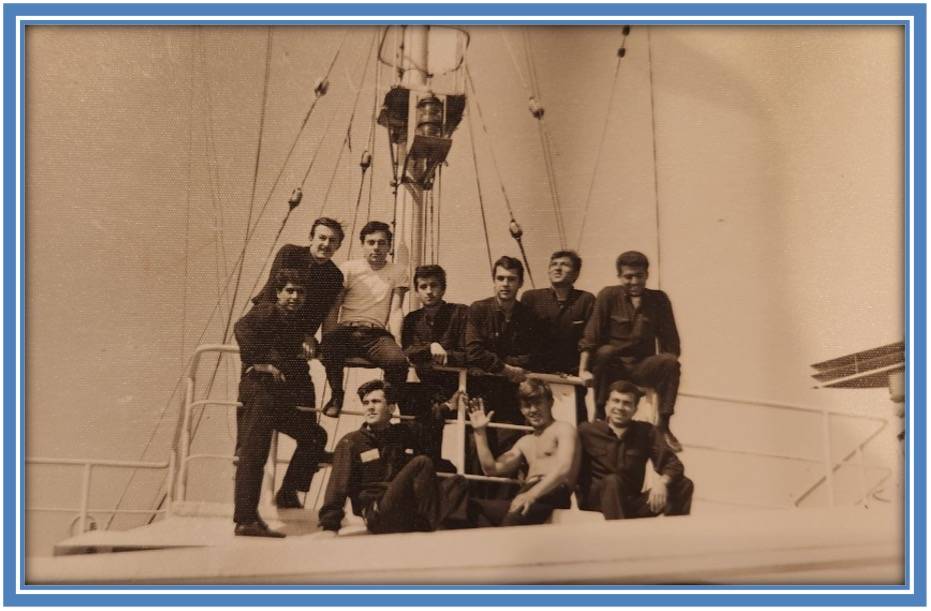
Photo: DenizHaber
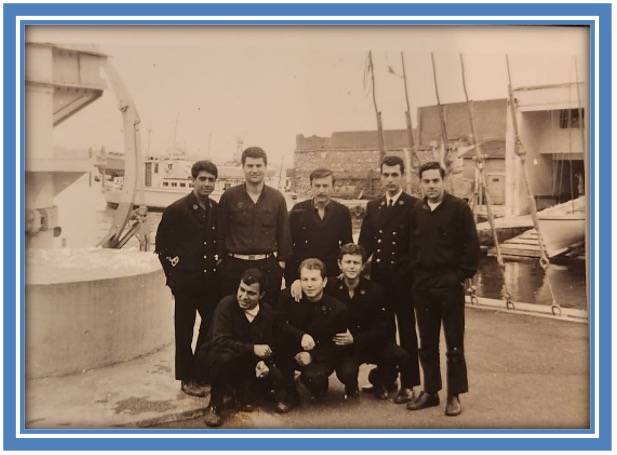
Photo: DenizHaber
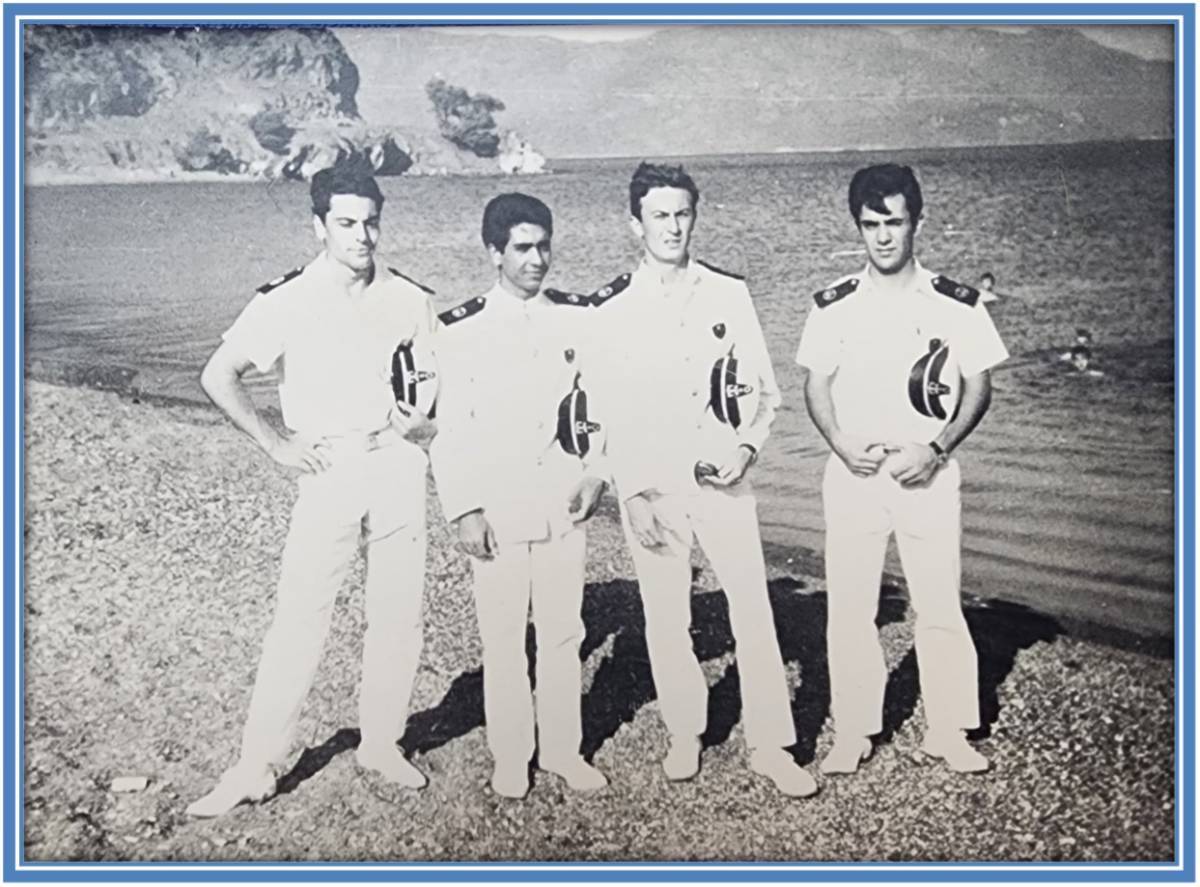
Photo: DenizHaber
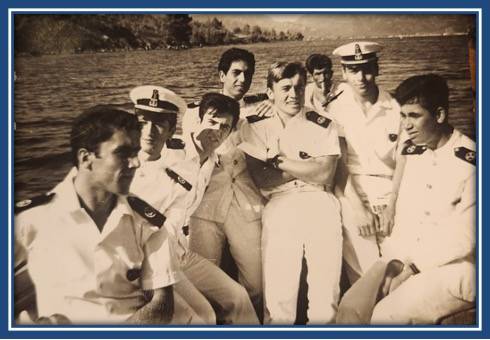
Photo: DenizHaber
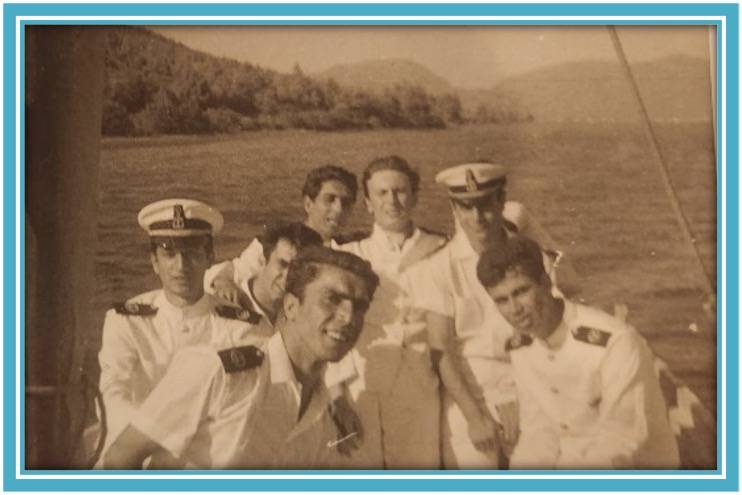
Photo: DenizHaber
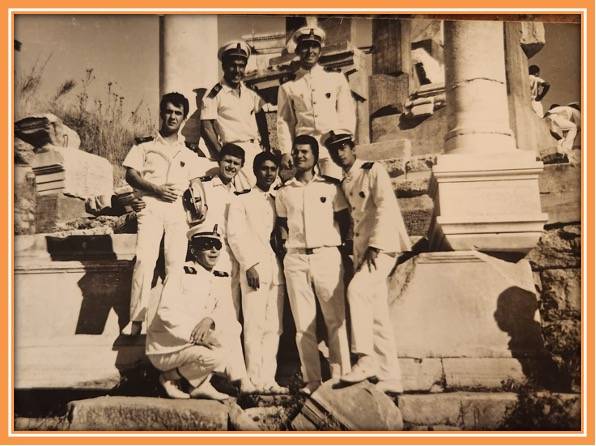
Photo: DenizHaber
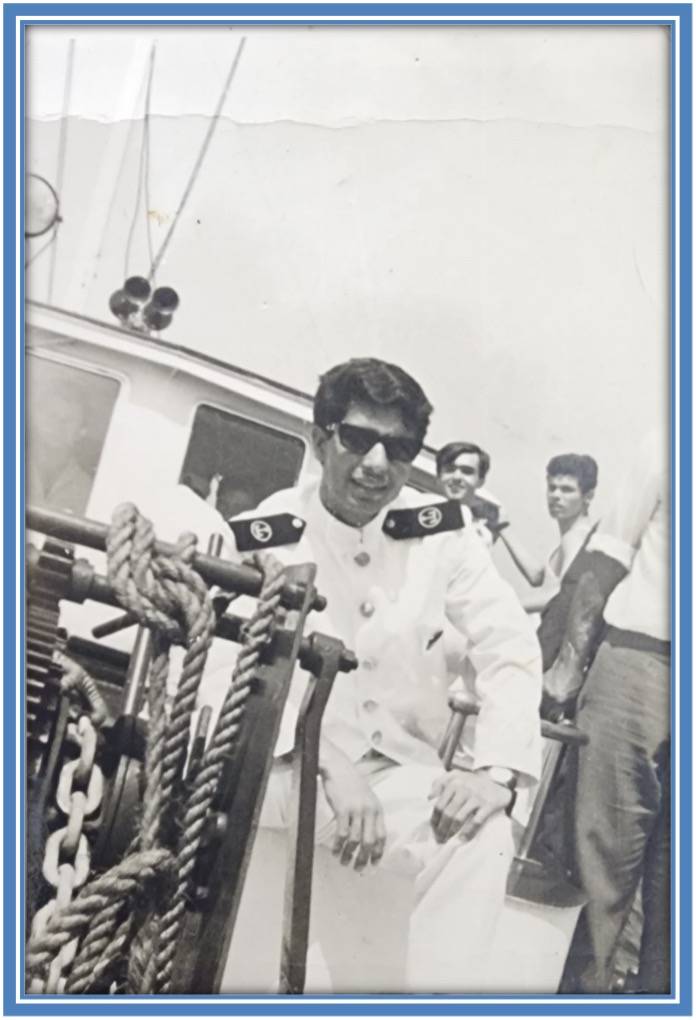
Photo: DenizHaber
Source: www.denizhaber.com.