

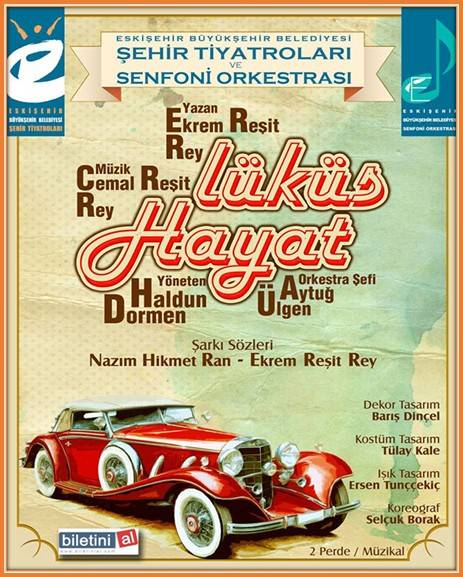
A perfect story has emerged. Of course, I couldn't resist sharing this perfect story and the tale of Süleyman Sırrı Barlı with you.
“The inspiration for the operetta ‘Lüküs Hayat’ is the story of the Coal King, Armateur Süleyman Sırrı Barlı.” The Eastern Black Sea newspaper, Doğu Karaoğuz, writes the following about “Süleyman Barlı.”
Those researching the mining history of Zonguldak will find this name quite familiar. Especially the older generation knows who Süleyman Sırrı is, what he did, and his contributions to mining… Meanwhile, how he became wealthy through coal trade and how the character of the “Coal King from Zonguldak” in the famous operetta “Lüküs Hayat” was inspired by his life in Istanbul…
However, while some know, others do not. For example, when I visited Çaycuma last summer, during a conversation with the esteemed writers there, I was asked, “Was Süleyman Sırrı from Çaycuma, or was he born here?” That day, I thought it would be good to introduce this old miner, whose name is still mentioned in Zonguldak and its surroundings, to the people of Zonguldak through my writings in the “Voice of the People” newspaper. Because Süleyman Sırrı is my relative; my mother, Hâcer Karauğuz, is his aunt. He is the youngest son of my great-grandfather “Ahmet Ali Ağa,” one of the first miners of this city, whose life story I narrated in a previous article.
A life spent in the mines for 55 years
To delve into this topic, I must first mention Ahmet Ali Ağa: Ahmet Ali was a Bosnian. He was born in the 1830s or 1840s in a neighborhood called Tudjemili or Tudemili on the outskirts of Bar, Montenegro, along the Adriatic coast.
At that time, Zonguldak: The Ottoman Empire had begun to engage in coal mining after 1848, and the operation of the mines in this region, including Ereğli and Kozlu, was entrusted to a company called “The Coal Company,” formed mostly by English bankers of Ottoman nationality, known as the “Galata Sarrafları.” This company needed workers who knew how to break rocks deep underground and extract coal. Since the people from the surrounding villages were inexperienced in these jobs, the English Company opted to bring workers from Croatia, Serbia, and Montenegro.
During those years, Montenegro, which was a principality, was experiencing economic difficulties, and the people were living in poverty. The English company preferred to hire those who had worked in coal or stone quarries in Montenegro; one of them was Ahmet Ali. The calendars showed the 1850s…
Ahmet Ali began working as a miner in Kozlu. And as written on his gravestone in İncivez Cemetery, he worked in the mines for a total of 55 years, entering the mine before dawn and working until sunset, without ever seeing the sun…
By sweating in Kozlu, Üzülmez, Kilimli, Çaydamar, Baştarla, and other mines, Ahmet Ali was promoted from a mine foreman to a chief foreman through great determination, patience, intellect, and strength, eventually reaping the rewards of his labor, rising from a miner to a mine owner. His name is recorded in the Zonguldak province records as “the first Muslim miner of Zonguldak and its surroundings.” They used to say he was “the best at sniffing out coal veins.”
While in Kilimli, Ahmet Ali married Havva, a girl from one of the local families, and they had a happy marriage. Since he always called her “My Sultan,” over time, the name Havva was forgotten, and she became known as “Sultan Hanım.” They remained together until the end of their lives, and from this marriage, they had two daughters and six children: Ayşe, Ali, İsmail, Necibe, Mustafa, and Süleyman Sırrı, in order of age.
Süleyman Sırrı was born in the house of his father Ahmet Ali Ağa, located in the Zonguldak bazaar. This house was on the current Gazipaşa Street, where the Ziraat Bank is located, opposite the Istanbul Patisserie; it was a three-story building with a masonry ground floor and wooden upper floors. It was demolished in the 1980s and replaced by Ziraat Bank.
We can say that Süleyman Sırrı was born in the 1880s or early 1890s. His greatest passion during his youth was hunting; he would go hunting with his brother Mustafa to the surrounding villages, mountains, hills, and forests. On the other hand, he was his father’s greatest assistant in mining. He learned very well from his father how to manage a coal mine and how to run the business.
Ahmet Ali Ağa wanted to distribute his wealth among his children while he was alive, but he could not realize this. However, he had some bequests. After his death, his children honored his will and made a fair distribution.
To discuss the state of the coal mine, one day, Ahmet Ali Ağa’s four sons, Ali, İsmail, Mustafa, and Süleyman Sırrı, gathered in their father’s office at 4 Acılık Street.
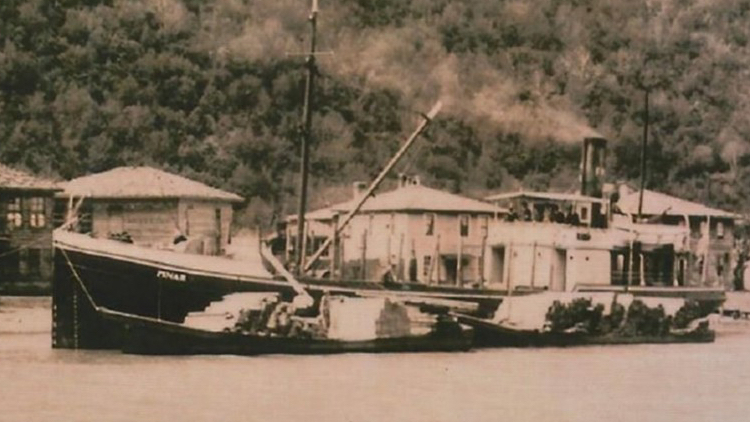
During this meeting, Süleyman Sırrı said to his brothers:
“You know, I am well aware of the ins and outs of this mining business. My father taught me a lot about this matter. If we sell our mine, people will talk about us, saying we couldn’t manage it; I don’t want that to happen. Therefore, I am not in favor of selling. If you want, let me take over the management, as I have sufficient experience in this matter, and let’s share the profits fairly.”
After some discussion, a decision was made: Süleyman Sırrı would take over the business, and they would share the profits from coal equally by providing his brothers with a summary of accounts each month.
Thus, the youngest son of the family, Süleyman Sırrı, took charge, managing the coal mines inherited from his father until 1940, when all mines in the country were nationalized.
In the book “Zonguldak, İnsan, Mekan, Zaman” by the esteemed writer Ekrem Murat Zaman, which contains detailed information about our coal basin, Ahmet Ali Ağa’s mines in 1893 are noted as follows: “Mine No. 228 Elik Tarlası Mine; Mine No: 35 (to the right of the railway); Mine No. 100 (to the left of the railway).” So, in 1893, Ahmet Ali Ağa had three mines. In the same book, a chart showing mine owners between 1924-1926 also lists three mines belonging to Ahmet Ali Ağa: “License No: 30/228 Acılık Mine, License No: 81 İmamtarlası Mine, License No: 274 Baştarla Mine.”
In the book published by the Zonguldak Chamber of Commerce and Industry in 1933, titled “Zonguldak and the Coal Basin in the First Ten Years of the Republic,” the following is written about Süleyman Sırrı:
“Another mining establishment that was previously active and entered the development and evolution phase during the Republic era is the Ahmet Ali mine numbered 35/228. The operator of this mine is Süleyman Sırrı Bey, son of Ahmet Ali Ağa. The mine is located within the Zonguldak town and in the On Temmuz neighborhood. Its production is carried out by rail from Zonguldak Port.
Süleyman Sırrı Bey invested 120,000 lira in this mine in 1925 to establish a 550 horsepower electric power plant, and on September 1, 1929, he built a washing facility that could wash an average of 380 tons of coal in 24 hours at a cost of 61,200 lira. Additionally, worker barracks and other facilities were arranged in an orderly and sanitary manner. Süleyman Sırrı Bey also had an office in Istanbul.”
In this 1933 article, only one mine numbered 35/228 is mentioned. However, in Ekrem Murat Zaman’s book, these are referred to as two separate mines numbered 35 and 228. Therefore, when it says 35/228 in this article, it may refer to two mines. From this, it can be understood that Süleyman Sırrı was the owner of at least one or perhaps two mines in 1933.
After his father’s death, Süleyman Sırrı would tightly cling to the coal business, which his brothers showed little interest in, while also providing them with their shares, and he would become a wealthy man from this business.
The Barlı brothers in the ranks of “Kuvay-ı Milliye”
During the War of Independence, the first administrative board of the Defense of Rights Society, established in Zonguldak under the presidency of Müftü İbrahim Hakkı (Akça) Efendi, included the name “Ahmet Ali Ağazâde Ali Efendi,” meaning Süleyman Sırrı’s eldest brother, Ali (Barlı) Efendi.
During the painful days when the nation was suffering, Ali (Barlı) Efendi took on important roles in the management of the Defense of Rights Society for the salvation of the homeland. For example, the Society initiated a campaign to collect 2 lira per ton from the coal that passed through the scales of the Mining Administration for the Ankara Government. Ali Efendi was one of the pioneers of this campaign. Additionally, the Society visited mining regions to collect aid to be sent to the army, with the public contributing to these donations.
Ali Efendi’s significant contribution to the Kuvvacılar was as follows: The Ankara Government requested, through a telegram correspondence with the Defense of Rights Society, to contact Zonguldak tradesmen and business owners to collect money. Ali Efendi gladly took on this task, as he was one of those who knew everyone in the region well. He set aside a significant amount from his own earnings for this purpose, accumulating a considerable amount of aid in Ottoman gold. Someone from the Kuvay-ı Milliye would come to collect this money. However, until they arrived, to protect the money from local robbers, he emptied the pool in his front yard and buried the money at the bottom of the pool, then refilled it. His younger brother Mustafa helped him; after a while, the Kuvvacılar arrived, and the gold was delivered. (Mustafa (Barlı) Efendi, who helped him in this task, is my grandfather; I heard this story from him.)
While I was writing the book “The First Miners of Karaelmas,” in 2010, I was contacted by a writer named Erhan Berkman from Florya, Istanbul. He mentioned that he was an old resident of Florya, was writing about its recent history, and had come across Süleyman Sırrı during his research; he wanted to gather information about him from me.
During his life in Istanbul, Süleyman Sırrı had a beautiful villa in a garden in Florya, where he would stay. Mr. Erhan spoke with the old residents there, and according to those he named, Süleyman Sırrı had told them that he had donated 20,000 Ottoman gold coins to the Kuvay-ı Milliye.
The event Mr. Erhan described to me unfolded as follows: One day, the door of Süleyman Sırrı’s house was knocked on, and the visitor said, “I have brought you a letter from your brother in Zonguldak.” The letter stated that his brother Ali (Barlı) Efendi had taken a position in the newly established Defense of Rights organization in Zonguldak. “We are collecting aid for the Kuvvacılar. This is essential for the safety of the homeland! The person delivering the letter will introduce you to the Kuvvacılar. Please, brother, do not hesitate to help as much as you can,” it read. The next morning, they went together to the Ottoman Bank, known at that time as “The Imperial Ottoman Bank,” on Bankalar Street. Without hesitation, Süleyman Sırrı withdrew 20,000 Ottoman lira from the bank and filled his bag with it. From there, they went to the secret administrative building of the Kuvay-ı Milliye in Eminönü, which was a tailor’s shop. While handing the bag full of money to the captain in tailor’s clothing, Süleyman Sırrı said, “If more is needed, I am ready to give that too.”
We do not know whether he gave more or not. However, we know that this money, earned through the sweat of Zonguldak’s miners, was given to the Kuvay-ı Milliye, and it was said by Süleyman Sırrı to some people. They were Bosnians, but they were one of us; they always supported the Kuvay-ı Milliye.
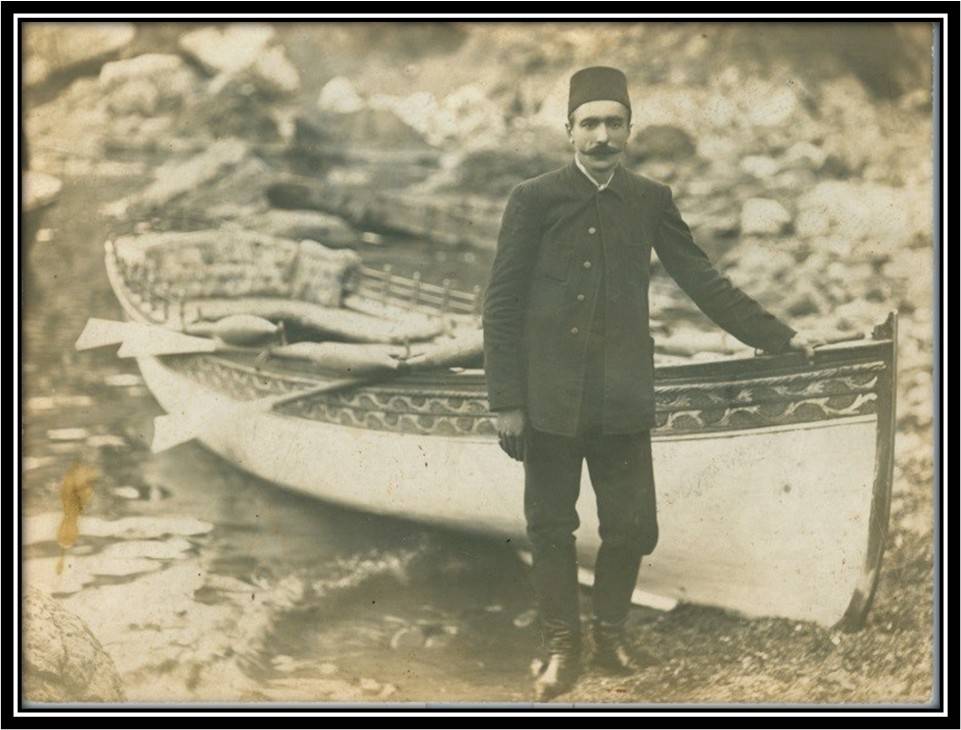
Ahmet Ali Ağa’s children adopted the surname “Barlı” in 1934 with the Surname Law, which reminds them of their homeland.
Süleyman Sırrı, who demonstrated his skills as a good businessman by sending and selling the coal produced in Zonguldak with the small and large ships he could find to Istanbul, opened an office in Karaköy, Istanbul, and began managing his business from there. He now had one foot permanently in Istanbul; he would soon be recognized for his lively lifestyle and assertiveness, and his name would enter the city’s literature. It would be said that the character of the “Coal King from Zonguldak” in the once-famous operetta “Lüküs Hayat” was inspired by Süleyman Sırrı’s life in Istanbul. Composed by Cemâl Reşit Rey in 1933 and watched by a large audience until 1946, this operetta is known as a work that criticizes the existing order and societal life. It was claimed that some of the lyrics were written by Nâzım Hikmet, and it was expressed that the wealthy coal magnate Rıza Bey character in this operetta was inspired by Süleyman Sırrı’s life in Istanbul during those years. Perhaps it is just a conjecture; we do not know for sure.
On the other hand, Refi’ Cevat Ulunay, one of the columnists of the Milliyet newspaper, wrote in an article he penned in the 1960s, which I also read, about Süleyman Sırrı’s life in Istanbul, his passion for hunting, and his flirtations.
Indeed, this man, perhaps the smartest and most skilled of the Ahmet Ali family, had his share of flirtations, especially since he had money at his disposal. During his bachelor years, Süleyman Sırrı had a great love affair with a very beautiful Greek girl named Anna in Istanbul, and the echoes of this adventure reached Zonguldak.
Süleyman Sırrı and his Greek lover Anna
In fact, he encountered Anna in a rendezvous house in the back streets of Beyoğlu. With her violet-colored eyes, wavy black hair, smooth skin, and youth, Anna was the most beautiful in that place. Süleyman Sırrı was captivated the moment he saw her and never let her go again. Without thinking, he took her from that house and settled her in his apartment in Taksim.
Like his eldest brother Ali, who was the most handsome of the family, Süleyman Sırrı was also considered a handsome man, apart from his wealth. Anna must have loved him as much as she loved his money. Süleyman Sırrı brought a record of “J’attendrai” by Tino Rossi, a tenor whom Anna adored, especially from Paris for his beloved. Their love was legendary… We do not know how long this love lasted; however, the money left by Ahmet Ali did not run out, and Süleyman Sırrı’s flirtations continued.
Of course, there were other lovers after Anna. However, it was soon heard that he married a woman named Makbule, who came from a good family in Istanbul. He was now entering married life; he had decided to put an end to his flirtations and raise his children.
However, it was soon observed that he began to frequently travel back and forth to Zonguldak. Sometimes he would stay there for long periods. Eventually, the reason for his extended stays in Zonguldak became clear: He had fallen in love with a woman named “Aliye,” known for her beauty. Zonguldak was not like Istanbul; it was a small place, and rumors would spread; for this reason, he married Aliye Hanım in Zonguldak with an imam marriage. Whether his legal wife, Makbule Hanım, found out about this marriage, we do not know. However, it was soon heard that they had divorced.
After this, Süleyman Sırrı encountered the woman he would marry for the third time. Her name was also “Makbule.” They lived together for many years. Süleyman Sırrı had no children; he only had a son named “Bülent” from his third wife Makbule’s first marriage.
My grandfather Mustafa Barlı used to call Süleyman Sırrı “Sülo.” Among the children, he was known as “Uncle Sül.” Uncle Sül loved children very much; he would shower them with gifts and make them happy. He was indeed very generous; just as he helped the Kuvay-ı Milliye, he would also help those in need as much as he could. The land of the Ulu Mosque in Zonguldak belonged to Süleyman Sırrı and my grandfather Mustafa Barlı; they donated this land to the Mosque Construction Association.
Süleyman Sırrı loved Mustafa the most among his siblings. They got along well; they shared a common interest: hunting! While they roamed the surrounding villages of Zonguldak, like Göbü and Atikali, in pursuit of this hobby, during the years Süleyman Sırrı settled in Istanbul, he would either come himself in his private car to pick up his brother or send his driver to bring his brother to Istanbul. Thus, the hunting days of the two brothers in Istanbul would begin.
This passion for hunting, I believe, made Süleyman Sırrı love a beautiful region like Çaycuma very much. Çaycuma, established on the valley formed by the Filyos River.
Photo: DenizHaber
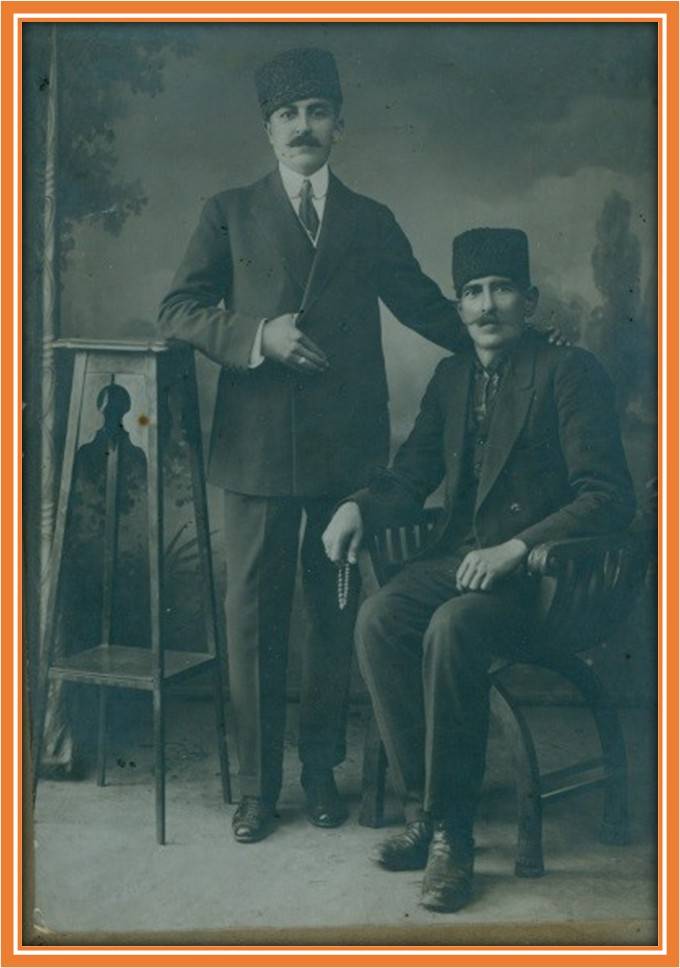
Photo: DenizHaber
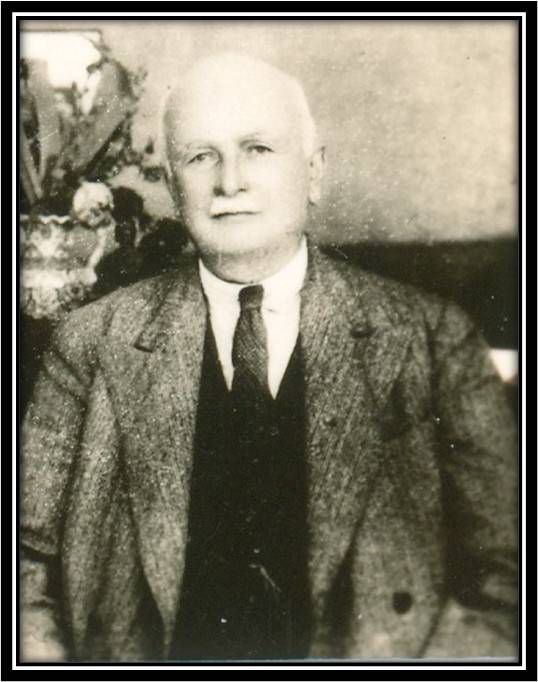
Photo: DenizHaber
Photo: DenizHaber
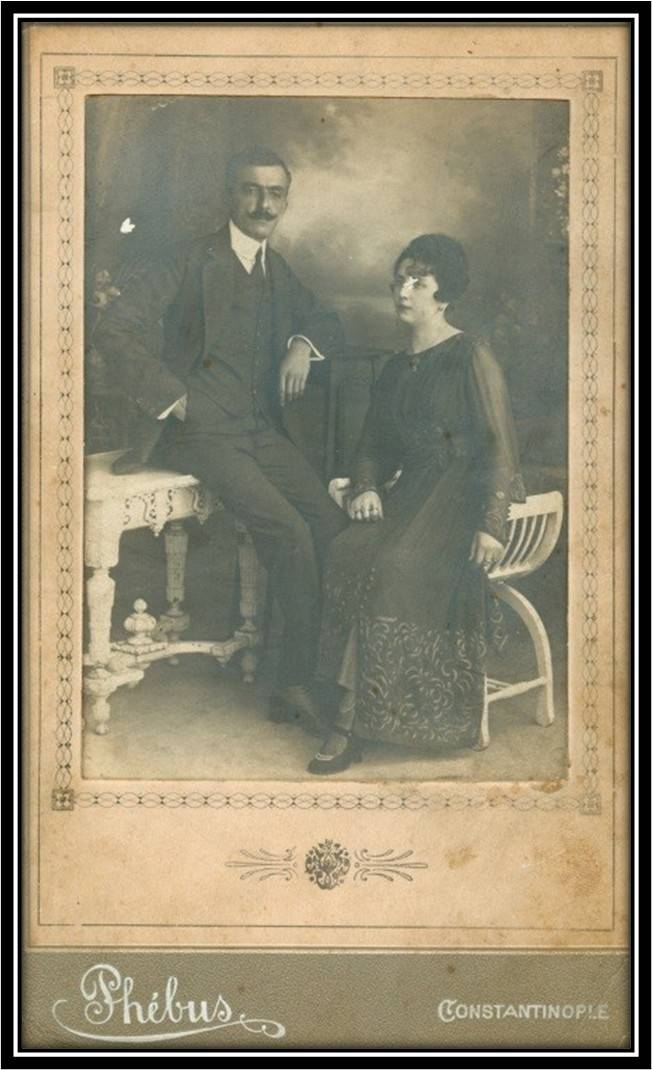
Photo: DenizHaber
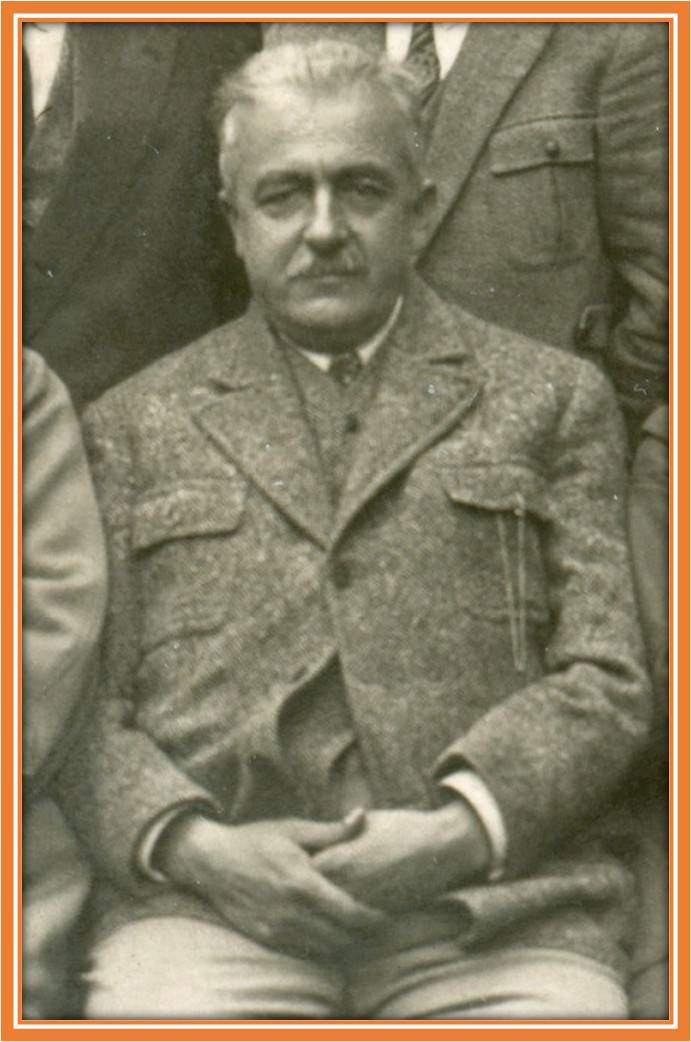
Photo: DenizHaber

Photo: DenizHaber
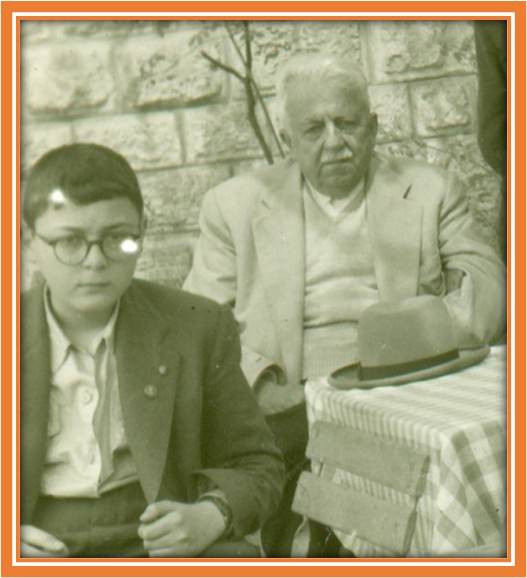
Photo: DenizHaber
Photo: DenizHaber

Photo: DenizHaber

Photo: DenizHaber
Photo: DenizHaber
Photo: DenizHaber
Photo: DenizHaber
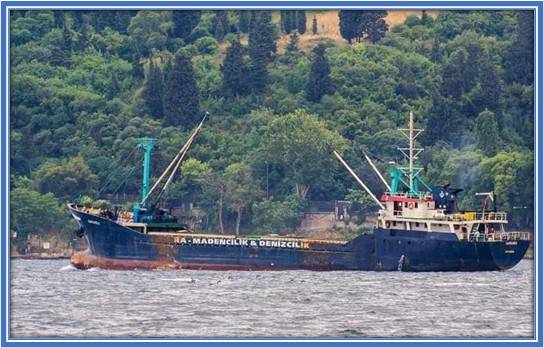
Photo: DenizHaber
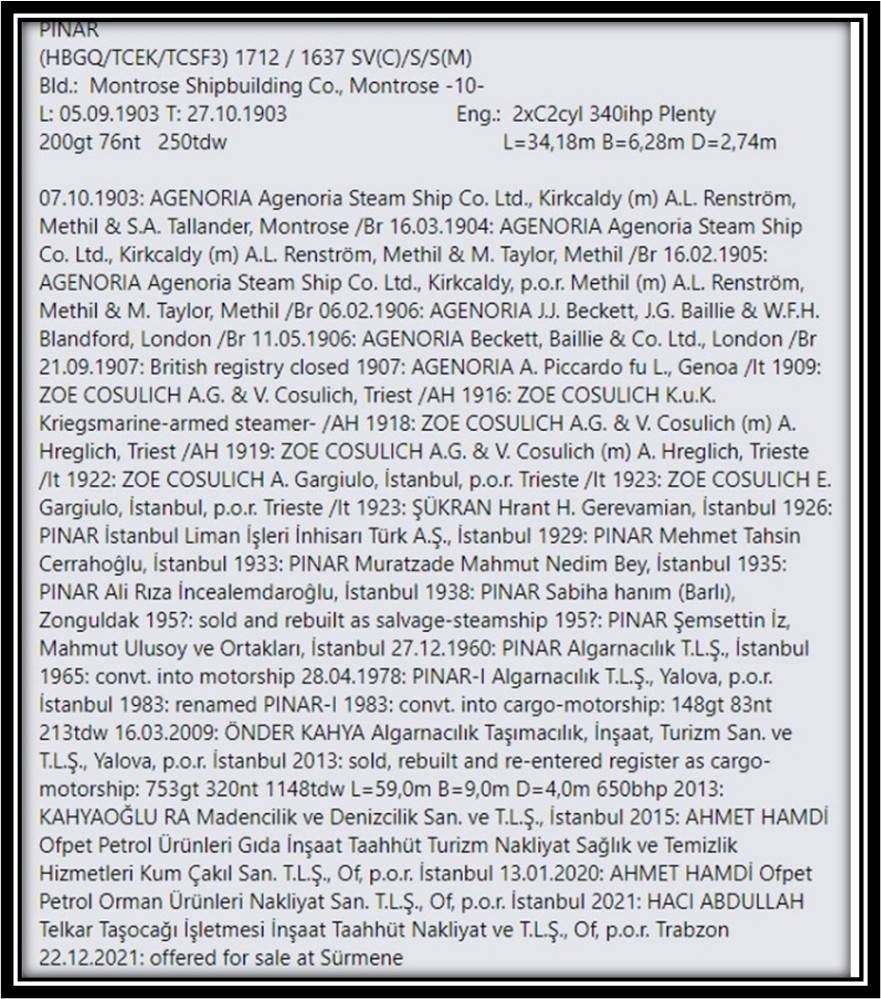
Photo: DenizHaber

Photo: DenizHaber
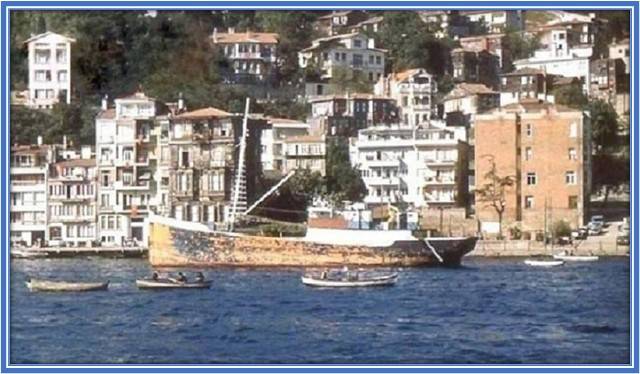
Photo: DenizHaber
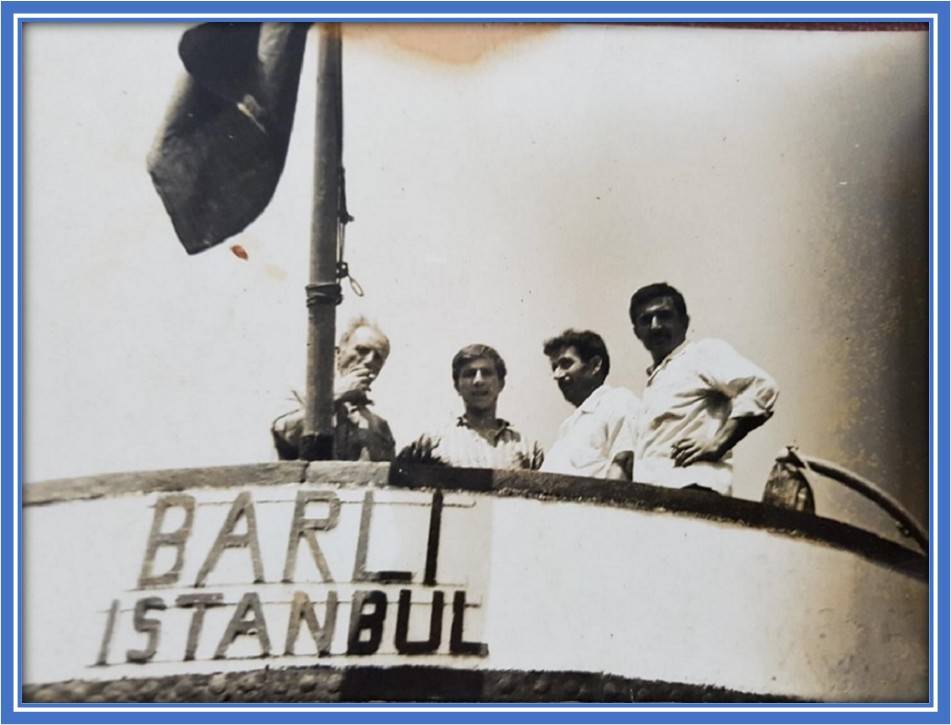
Photo: DenizHaber
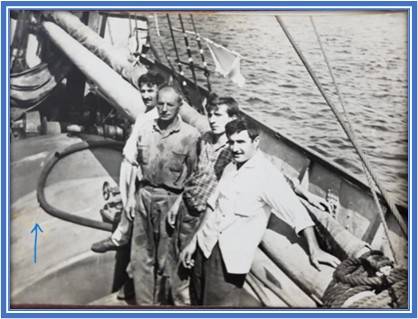
Photo: DenizHaber
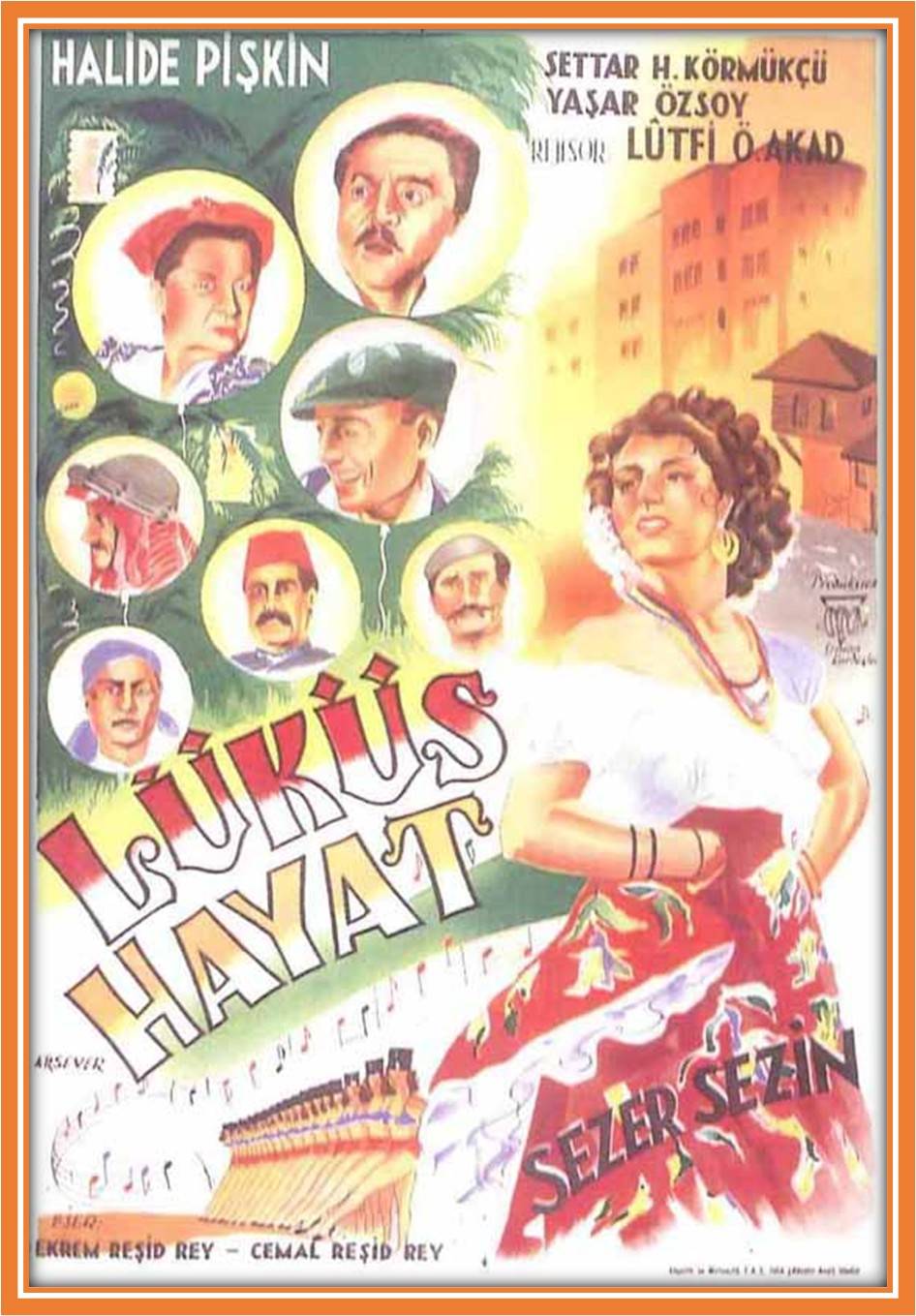
Photo: DenizHaber
Source: www.denizhaber.com