

Norman Wilkinson
O bir denizcilik (Maritime Painter) ressamı idi.
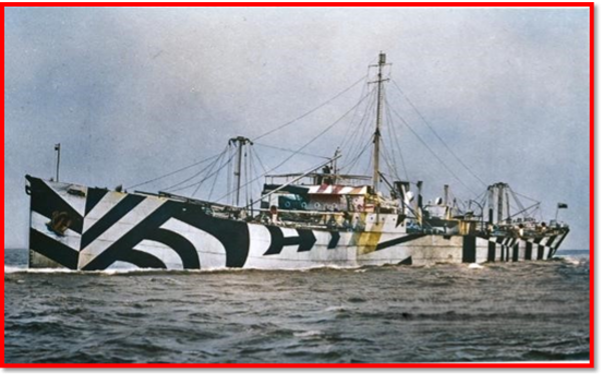
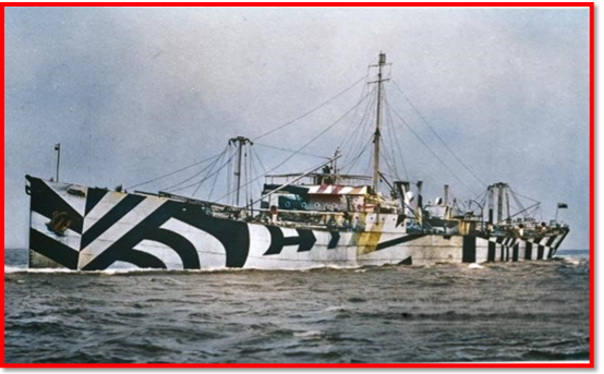
Tüm gemilerin boyasını değiştirtti….
Numerous memoirs and research works recounting the Gallipoli battles have been published. There are also hundreds of photographs related to the Gallipoli battles. Artists have created charcoal, watercolor, and oil paintings inspired by these photographs. Gallipoli has become an unforgettable war memory under the name "Dardanelles" and has maintained its impact of honor, pride, and heartbreak since World War I.
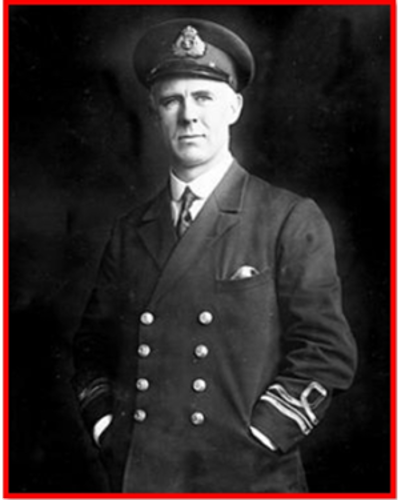
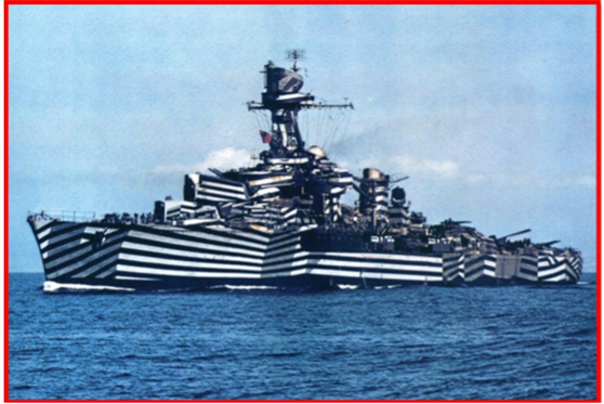
Bu savaş sahnelerine tanık olan fotoğrafçılara karşın, ressam ve yedek subay Norman Wilkinson tanık olduğu savaş sahnelerini tablolarına yansıtmış ve bu tablolarını anılarını içeren eserinde yayınlamıştır. Aklında deniz yedek subayı olarak bir yardımcı gemiyle Saroz Körfezi’nden karaya akın eden İngiliz askerlerini ve gemieri izlemek gibi bir düşünce de yoktu. Ama askere alındı ve deniz yedek subay olarak savaşın çirkin yüzünü tanıdı.. Ancak suüstü gemilerinin Alman denizaltılarına yem olmalarından öylesine etkilendi ki, denizaltıların periskoplarından suüstü gemilerini görmelerini yanıltacak bir boyama tekniği yarattı. Buna “Dazzle Ships” dediler ve radar keşfedilip gemilerde kullanılmaya başlayıncaya kadar binlerce gemi, ister harp gemisi, ister ticaret gemisi oluşun hepsi acayip şekillerde ve renklerde boyandılar..
The artist's watercolor paintings and charcoal sketches on the Gallipoli theme are part of the collection at the Imperial War Museum in London.
His observations, viewed from the sea, convey only the landing scene of the horrific Gallipoli Campaign. Norman L. Wilkinson was born on November 24, 1878, in Cambridge, England, and passed away at the age of 92 on May 31, 1971.
Yağlıboya, çoğunlukla suluboya ve renkli kalem çalışmalarıyla ünlü bir ressamdı. En önemli özelliği denizlerin ve gemilerin ressamı oluşuydu. Aynı zamanda çok albenili ve kendi kişiliğini yansıtan posterler boyadı.
During World War I, he created the art of camouflage to prevent warships from being easy targets. The "Dazzle Painting" or "Dazzle Camouflage" technique, recorded in history as the "Alaca Bulaca Painting Technique," is an invention of Norman Wilkinson and is still used today as a camouflage technique in military vehicles worldwide. During his educational years, he attended Berkhamsted School in Hertfordshire and was part of the choir at St. Paul's Cathedral in London. His inclination towards art and initial training developed thanks to the Portsmouth and Cornwall and Southsea Art Schools, where he would later serve as an art teacher.
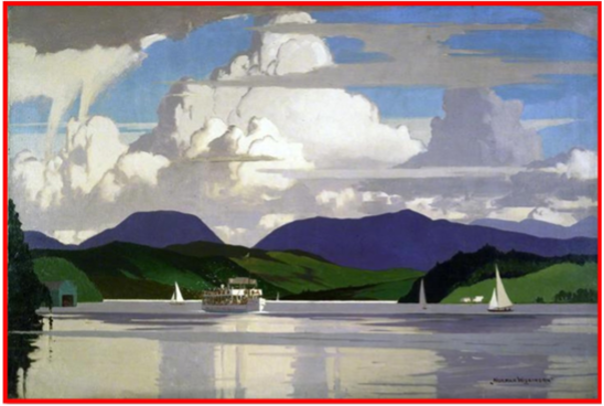
He gained new observations and experiences in the studio of marine painter Louis Grier. At the age of 21, following his training in academic drawing in Paris, the seas and ships gradually became his main area of work. His first works were published in Illustrated London News magazines, and in the following years, he continued to work for this magazine. Throughout his life, he became a prolific poster artist painting landscapes of the London and North Western Railway as well as the London Midland and Scottish Railway.
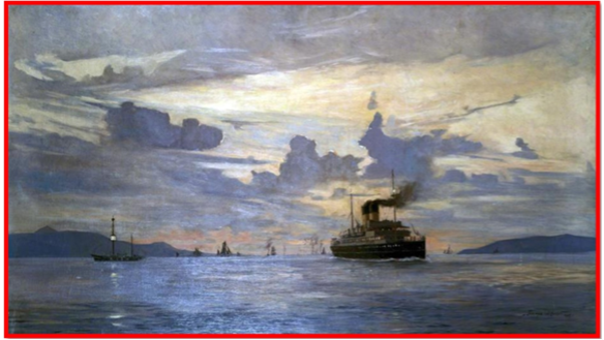
He was passionate about traveling by sea and undertook numerous journeys to Spain, Germany, Italy, Malta, Greece, Aden, the Bahamas, the United States, Canada, and Brazil, adding to his travels by sea and train.
Starting from June 1915, he served as a Royal Naval Volunteer Reserve officer on submarine patrol and observation duties in the Gallipoli Peninsula, the Dardanelles, and Gibraltar. At the beginning of 1917, he took on a role aboard the minesweeper HMNB Devonport.
German submarines had become capable of successfully torpedoing British merchant ship convoys and warships, sometimes sinking up to eight ships in a single day. Norman Wilkinson sought to explore the possibilities of miscalculations while enemy submarines targeted surface ships. The concealment of surface vessels was only possible for a time due to the thick smoke emitted from their funnels. Otherwise, he recognized that hiding was impossible and sought answers and solutions to the question, “Is it possible to make a surface ship harder to detect and even confuse when viewed through a periscope?” The answer he found was to paint ships with surprising designs and colors. He presented his plans and designs, which included his initial experiments, to the British Admiralty, the senior authority of the Royal Navy, and with the positive response he received, he was appointed to lead the camouflage unit for naval vessels in studios established within the Royal Academy of Arts.
He had nearly two dozen painters and students working under his command. In these efforts, they remarkably altered the painting models of ships using the Dazzle painting technique, and they evaluated these models with a periscope set up in the studio. Thus, all ships and merchant vessels of the Royal Navy were painted in surprising colors and shapes known as “Dazzle Painting” (1), and the impact of the Dazzle painting technique he created spread as far as the United States. In early 1918, he was invited to Washington for the U.S. Navy and appointed as a consultant in his field. Here, he served as a consultant in a similar camouflage unit led by Lloyd A. Jones, Everett Warner, and Harold Van Buskirk.
When World War II broke out, Norman Wilkinson was again appointed as a consultant to the camouflage department of the Royal Air Force. A significant portion of the artist's paintings, who passed away in 1971, is exhibited at the Imperial War Museum and the Royal Maritime Museum in Greenwich, as well as in private collections.
In one of his works, Norman Wilkinson also depicted the fates of Australian and New Zealand - ANZAC soldiers. Indeed, ANZACs who came from across continents to fight on the Gallipoli Peninsula are commemorated with increasing excitement each year by Australians and New Zealanders today.
In the memoirs related to the Gallipoli Campaign or other documentary works, if the author is a politician, they are persistent and their statements are often biased. If they are a soldier, they define the war in terms of blood. In both cases, there are only wars fought to achieve victory. However, if the person witnessing the battle scenes is a painter, it may be surprising that they depict some tragic moments, which could end in death, with their artistic personality, even if it is in a humorous style, despite being very painful.
Norman Wilkinson respectfully notes that not only soldiers but also the rural men and women of the Turks took up arms to protect their homeland. He reveals his human side by stating, "While they were trying to defend their homeland, we had come to invade their lands."
He conveys a truth by saying, "There can be no nation other than the Turks who love their homeland so much in those lands," using the word "Allah" in Turkish.
During the peaceful years of his life, he continued to create works related to the sea.
Osman ÖNDEŞ
Source: www.denizhaber.com