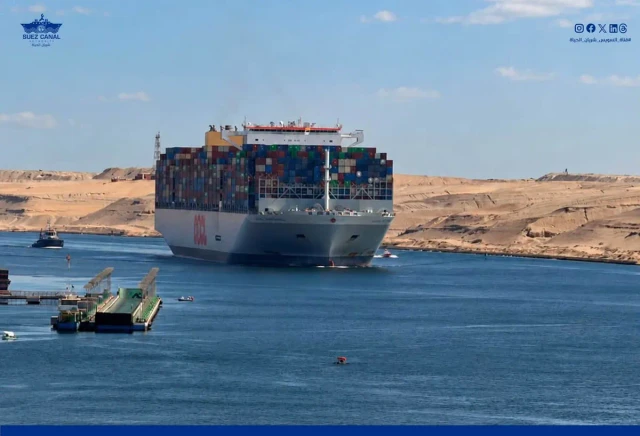

The US Development Finance Corporation unveils a $20 billion reinsurance facility to secure shipping through the Strait of Hormuz amid rising tensions.
The US Development Finance Corporation is creating a US$20 billion reinsurance facility to restart shipping through the Strait of Hormuz after American and Israeli strikes on Iran, reports London's Financial Times.
DFC chief executive Ben Black and US Treasury Secretary Scott Bessent unveiled the plan, ordered by President Donald Trump, to provide political risk insurance and financial security for energy flows. Mr. Trump stated that the US Navy would escort tankers if necessary.
Mr. Black mentioned that the facility would initially provide up to US$20 billion in coverage on a rolling basis, aiming to restore confidence in maritime trade. The DFC will coordinate with Central Command, which oversees US military operations in the Middle East.
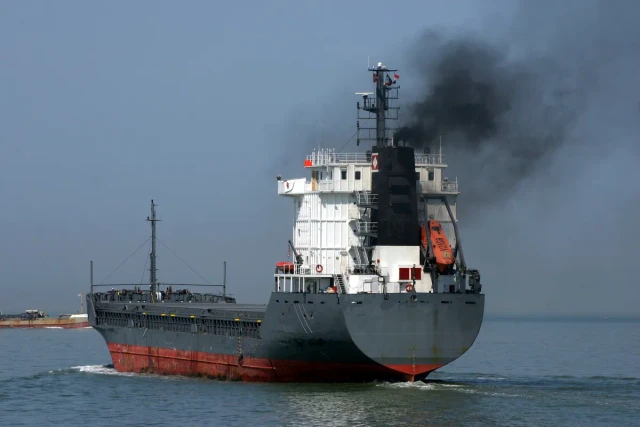
Shipping through the Strait has been blockaded due to the ongoing war, with Iran threatening to strike vessels. The Lloyd's Market Association reported that about 500 tankers are currently stuck in Gulf waters, with fewer than 50 passing through the strait this week.
The Strait of Hormuz handles approximately one-fifth of the global oil supply. Restarting traffic has become a priority for Mr. Trump as petrol prices rise ahead of November's midterm elections. The average US petrol price is now $3.32 per gallon, the highest since mid-2024.
The scheme aims to secure the flow of oil, LNG, and fertilizer. Mr. Trump added that the US Navy could escort tankers if required. The DFC stated it is working with Central Command and American insurance partners to implement the plan. Brent crude rose above US$92 a barrel, its highest since the war began.
The Lloyd's Market Association welcomed the initiative but noted that most vessels remain insured in the London market, albeit at higher rates. Insurers have expressed interest in partnering with the DFC, though terms remain unclear.
Separately, Mr. Bessent mentioned that Washington may lift sanctions on more Russian oil to ease supply, after allowing Indian refiners to accept cargoes already on the water. He stated that 'hundreds of millions of sanctioned barrels' could be released to the market.