US and Iran sign a preliminary deal to end Gulf war, reopen Strait of Hormuz, and discuss sanctions relief, though key issues remain unresolved.
US President Donald Trump announced that Washington and Tehran have signed a preliminary agreement to end the Gulf war and reopen the Strait of Hormuz, though details remain uncertain, reported Reuters.
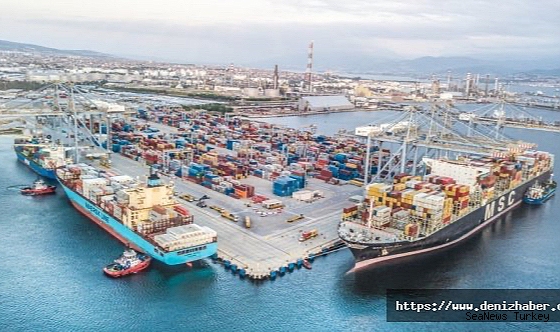
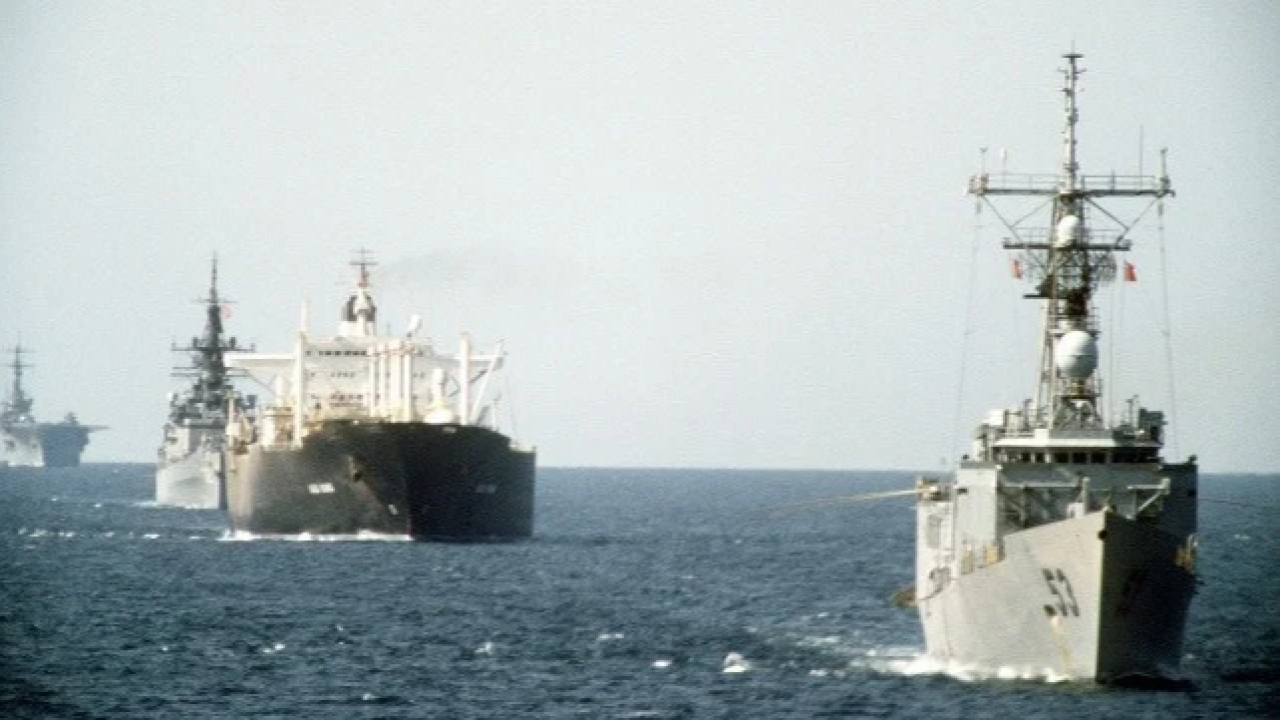
The deal extends an April ceasefire by 60 days and allows shipping through the strait, which Iran had blocked since February. Trump stated that Vice President JD Vance will attend a formal signing in Geneva on Friday. Following the announcement, oil prices fell to their lowest since March.
Iranian President Masoud Pezeshkian called the memorandum an 'important step' but noted that a permanent truce has yet to take shape. Vance described the document as only 1-1/2 pages, with details to be released later. He mentioned that it includes significant sanctions relief for Iran.
US officials indicated that Iran could gain economic benefits through lifted sanctions, unfreezing assets, and a US$300 billion reconstruction fund financed by Gulf states. In return, Iran must pledge never to build nuclear weapons and cut support for militias such as Hezbollah.
The agreement does not resolve Iran's enriched uranium stockpile. Iranian officials stated that they conceded little by resuming nuclear talks that were interrupted in February when Trump launched strikes with Israel.
Israel remains a sticking point in the negotiations. Prime Minister Benjamin Netanyahu stated that forces will stay in southern Lebanon despite Iran's demand for withdrawal. While fighting has eased, it has not stopped, with Israeli drone strikes reported in Kfar Tebnit.
Iranian Foreign Minister Abbas Araqchi insisted that Israeli attacks must cease. Privately, Israeli officials described the deal as 'terrible for Israel.' The memorandum leaves key issues unresolved, including Lebanon and Iran's nuclear program.