
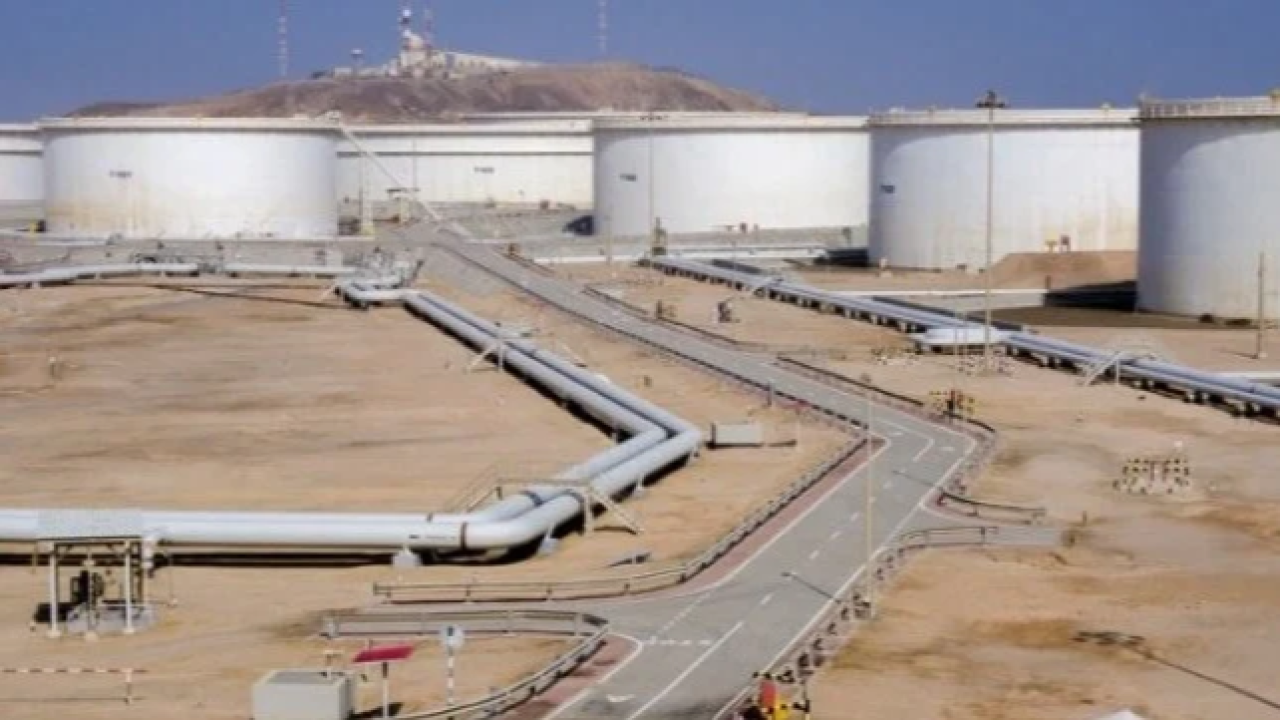
UAE is transforming its oil export infrastructure to eliminate reliance on the Strait of Hormuz, redirecting shipments to the Gulf of Oman.
The United Arab Emirates (UAE) is reshaping its oil export infrastructure to reduce its dependence on the Strait of Hormuz. The country aims to completely redirect energy shipments to the shores of the Gulf of Oman through new pipelines, port investments, and land transportation projects.
Speaking to Bloomberg News, UAE Minister of State for Foreign Trade Thani Al Zeyoudi stated that they expect the Strait of Hormuz to be used at full capacity again, but they will not abandon investments in alternative routes even if the current crisis ends. Al Zeyoudi said, 'We are moving towards reducing our dependence on Hormuz to zero. Whether the strait is open or not will not change this plan.'
Currently, the UAE exports approximately three million barrels of crude oil daily, with about two million barrels being transported via the existing pipeline system to the Port of Fujairah. The country plans to increase its daily oil production to 5.2 million barrels by 2028, build a second crude oil pipeline parallel to the existing one, and commission an additional line for the transportation of refined products.
Recently, it has been reported that the state oil company ADNOC has been conducting covert shipments via tankers using the Oman side of the Strait of Hormuz under U.S. oversight. In this operation, crude oil extracted from fields in the Arabian Gulf is transferred to very large crude carriers (VLCCs) anchored off Fujairah and sent to Asian markets. However, due to security risks in the region, operations continue to be under threat. Last month, a tanker that had completed its discharge was attacked by drones.
The UAE administration aims to create an infrastructure that will completely eliminate the need for tanker traffic through the Strait of Hormuz in the future. This includes plans to increase the capacities of the ports of Khor Fakkan, Fujairah, and Dibba, construct a new port, and support the pipeline network with road and rail connections.
ADNOC announced that its $150 billion capital investment program covering the 2025-2030 period will provide the necessary financing for these projects. The investments are expected to support not only the energy sector but also dry bulk and container transportation. With the expansion of the railway network, it is aimed to make land transportation of goods more economical, while it is noted that the regional transshipment hub status of Jebel Ali Port will be maintained.
On the other hand, security risks in the region continue to be a significant factor in the UAE's planning. During the U.S.-Israel-Iran tensions in March and April, energy infrastructures in the Gulf region were subjected to numerous missile and drone attacks, with UAE facilities being among the most frequently targeted. Experts assess that although pipelines serve as an alternative to maritime transportation, they are not completely independent of regional security threats.
It is stated that the comprehensive infrastructure program being carried out by the UAE is at the center of the country's strategy to create a safer and uninterrupted supply chain in its energy exports.
Source: SeaNews Türkiye


