Growing trade tensions and the potential for new tariffs from the incoming US administration under President-elect Donald Trump could negatively impact global trade flows
Trade Tensions and Tariffs Threaten European and Middle East Seaports, Says Fitch
16 December 2024 – Growing trade tensions and the potential for new tariffs from the incoming US administration under President-elect Donald Trump could negatively impact global trade flows, posing significant challenges for seaports in Europe and the Middle East, according to Fitch Ratings.
Fitch highlights that the proposed tariffs, particularly targeting Chinese and European goods, could reduce activity in export-dependent economies, with Northern Europe expected to face the greatest risks. This comes as part of Fitch's EMEA Transportation Infrastructure Outlook for 2025.
Fitch projects that new tariffs could raise the effective US tariff rate globally to 7.8% (up from 2.3% in 2023), with a 25 percentage point increase for Chinese goods and a 3 percentage point rise for German products. Such significant changes could disrupt port volumes and global shipping connectivity, potentially forcing adjustments to shipping routes and reallocation of capacity across major ports.
Geopolitical Tensions and Port Connectivity
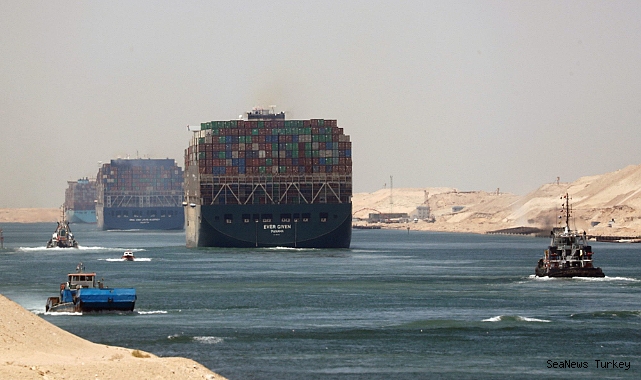
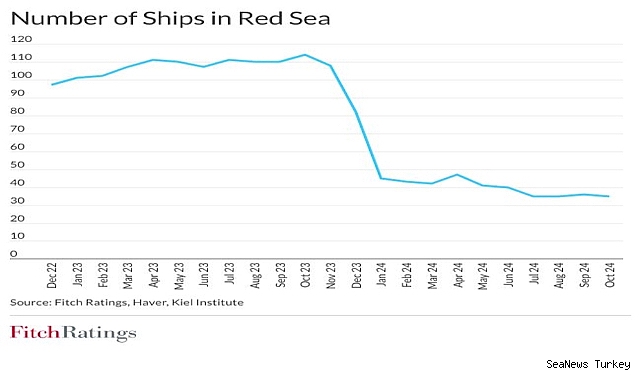
Fitch also draws attention to the ongoing Red Sea crisis, exacerbated by geopolitical uncertainty in the Middle East. As a result, many shipping lines are rerouting vessels around the Cape of Good Hope, bypassing the Suez Canal. This has notably reduced mainline vessel calls in Eastern Mediterranean ports while increasing congestion in key hubs in the Western Mediterranean region.
Overcapacity Risks in the Middle East
The Middle East and Eastern Mediterranean face a separate challenge: overcapacity. Fitch warns that extensive terminal expansions are outpacing demand growth. In the Middle East alone, greenfield projects are expected to contribute 29 million TEU (twenty-foot equivalent units) of additional capacity over the next five years. Similarly, Egypt is leading plans in the Eastern Mediterranean, which could add another 11 million TEU in the same period.
Fitch states that this imbalance between capacity and demand, combined with regional instability, could put financial pressure on existing ports, weighing heavily on cash flow generation and long-term profitability.
Eurozone Recovery Provides Moderate Relief
Amid the uncertainties, Fitch notes that the Eurozone has shown encouraging signs of recovery. Rising real household incomes in the third quarter of 2024 led to an uptick in consumer demand and shipped volumes, reversing declines seen in 2022 and 2023. Fitch expects this trend to continue in 2025, supporting seaport activity. However, consumer caution remains high, and recovery is expected to be gradual.
In conclusion, Fitch Ratings provides a neutral outlook for the European and Middle East seaport sectors in 2025. While rising consumption offers some support, escalating trade tensions, shifting shipping patterns, and overcapacity risksremain pressing challenges that could reshape global trade dynamics.