Clarksons Research reveals a 10% rise in shipping distances, reshaping maritime trade dynamics in the 2020s.
Clarksons Research data: The 2020s mark the era of 'extended distances' in maritime trade.
According to the latest data from Clarksons Research, the 2020s will be the most disruptive decade for commercial shipping in many generations, with the average transportation distance in global maritime trade increasing by approximately 10%. This situation has raised ship demand and sector profitability on a ton-mile basis.
Last year, trade conducted via sea reached a total of 68 trillion ton-miles, with the average distance covered per ton of cargo recorded at 5,262 nautical miles. This indicates a 10% increase compared to the beginning of the decade.
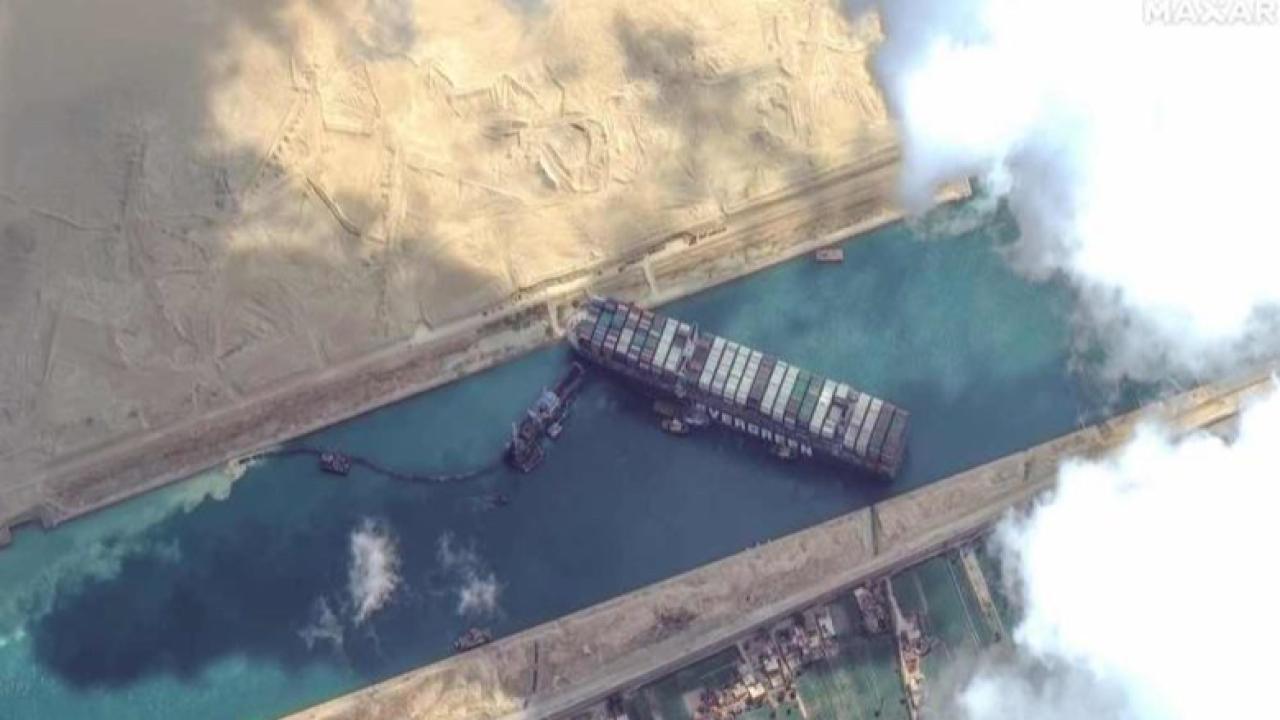
Structural developments such as the rapid growth of U.S. energy exports and bauxite shipments from Guinea support this trend; meanwhile, events like the Russia-Ukraine war, U.S.-China trade tensions, restrictions in the Panama Canal, and security crises in the Red Sea and the Strait of Hormuz have led to even longer distances.
According to Clarksons' analysis, 57% of ton-mile growth during the 2020-2026 period (approximately an 18% increase) will come not from the volume transported but from the increase in average transportation distances. This rate indicates a significant leap compared to the 2000s and 2010s.
In its latest weekly report, the organization stated, 'In the current scenario, maritime transportation demand is benefiting from longer routes.'
The ClarkSea Index, which encompasses all commercial shipping segments, continues its strong trend at a daily level of $41,435. The average value of the index has shown a 65% increase year-on-year since the beginning of the year.
Tim Smith, Director of Maritime Strategies International, noted in an assessment earlier this year, 'Increased demand has directly reflected in profits. The 2020s have been a generally profitable yet equally volatile period for shipowners.'
Roar Adland, President of SSY Research, highlighted the disruptions in the sector, stating, 'After the disruptions that began with Covid in January 2020 and lasted for six years, it is understandable that analysts miss the old days when only supply-demand balance and limited market sentiment were decisive.'
Emanuele Grimaldi, President of the International Chamber of Shipping, emphasized that geopolitical fluctuations have now become a permanent element rather than an exception.
Alex Karydis, Director of Hanse Bereederung, indicated that trade has not been lost but has rather been reshaped, stating, 'This transformation highlights shipowners who possess flexible tonnage and analyze emission performance and charterer expectations well.'
Captain Pappu Sastry, CEO of Adhira Shipping & Logistics, described the current scenario as 'a tax of uncertainty added to each voyage.' Sastry remarked, 'We are in a continuous process of fragmentation. Longer and less predictable routes, increasing compliance burdens, and rapidly changing insurance and war risk costs are directly affecting operations.'
Eman Abdalla, Managing Partner at SeaThrew Marine, pointed out that the change in the sector is not temporary but structural, stating, 'Safety and resilience are now as decisive as cost. This is not cyclical but structural volatility, changing the rules of the game.'
According to Abdalla, during crisis periods, cargoes do not disappear; rather, they continue to support ton-mile demand by being transported over longer distances. 'The old approach assumed that volatility was temporary. The new reality is that volatility has become the very environment for doing business,' he assessed.
Source: SeaNews Türkiye