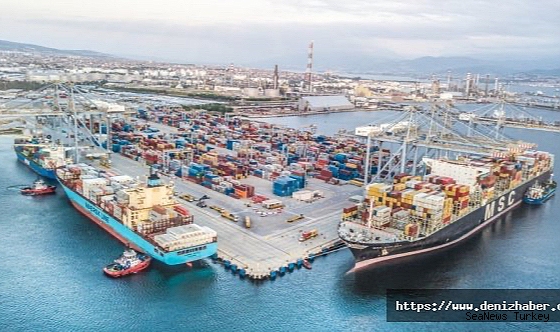
Sea-Intelligence reports a structural shift in vessel cascading, with surplus tonnage moving to secondary trades as Asia-Europe lanes saturate.
Global vessel cascading has entered a new phase, with surplus tonnage now being redirected into secondary trades following saturation in the Asia-Europe lanes, according to reports from Saint Petersburg PortNews.
Sea-Intelligence analyzed over 16,000 vessel transfers projected for 2024-2025. The analysis revealed that the Asia-Mediterranean trade, which absorbed displaced capacity from Asia-North Europe last year, is now cascading vessels outward.
The Mediterranean-North America East Coast route emerged as the largest net gainer in the second half of 2025, receiving 127,686 TEU. This increase was driven by the transfer of 178,189 TEU from the Asia-Mediterranean route, which included 11 vessels ranging from 14,000 to 15,000 TEU.
Following closely, the Asia-East Coast South America route ranked second, achieving a net gain of 112,998 TEU. The majority of these were vessels sized between 8,000 and 14,000 TEU exiting the primary East-West trades.
Sea-Intelligence noted that 97 percent of the vessels did not return to their previous routes, indicating what they consider a permanent structural change in global capacity allocation.
Sea-Intelligence is a privately held maritime data and analytics provider that produces research, forecasts, and operational performance assessments for the container shipping sector. The company regularly issues reports and market commentary for industry participants.