Saab will test an uncrewed aircraft with a software-defined fuselage in 2026, enhancing production methods and avionics efficiency.
Saab plans to fly an uncrewed aircraft in 2026 featuring a software-defined fuselage, as part of its efforts to accelerate equipment development, reports Aviation Week.
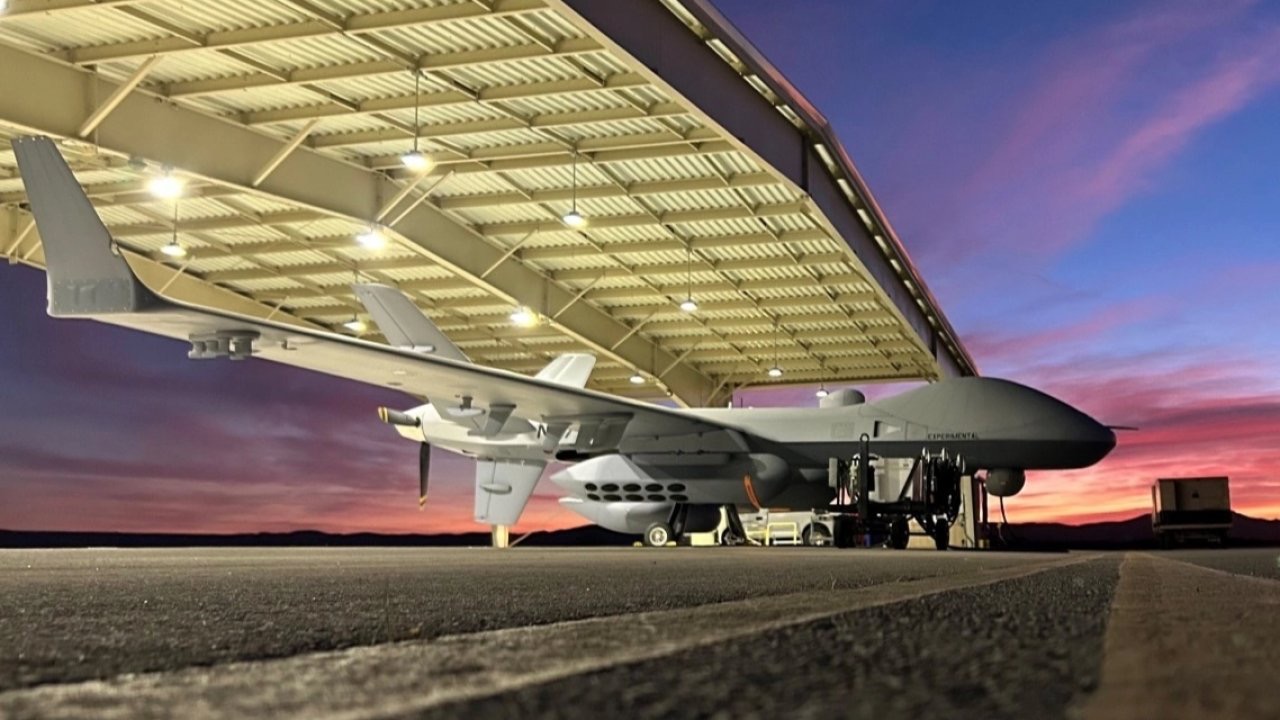
The fuselage is integral to Ruby, a jet-powered demonstrator with a wingspan of 6-7 meters, designed to validate new production methods and cost-effective avionics based on cellphone technology. Ruby will be powered by a General Electric J85 engine from the Saab 105 trainer and will conduct flights from the Vidsel test range in northern Sweden.
According to Saab, the fuselage has successfully completed structural proof loading. The initial development reduced the part count by over 99% and minimized material waste by more than 90%, while maintaining a payload capacity of 200 kg.
Saab has partnered with California-based Divergent 3D, which provides digital design and additive manufacturing tools. The software-defined process translates high-level performance and service life requirements into detailed designs, employing topology optimization to reduce parts and material usage.
Divergent's printers create component bricks that can be assembled without fixtures using proprietary methods. Saab stated that this approach enhances efficiency, allows for rapid scaling, and adapts to evolving requirements, while offering greater design freedom by optimizing shapes based on physical principles rather than tooling constraints.
Marcus Wandt, Saab's head of strategy and technology, noted that this project complements other initiatives, such as utilizing artificial intelligence to control a Gripen fighter. Divergent, which currently operates one factory and is constructing a second in the US, plans to expand into Europe by 2028.