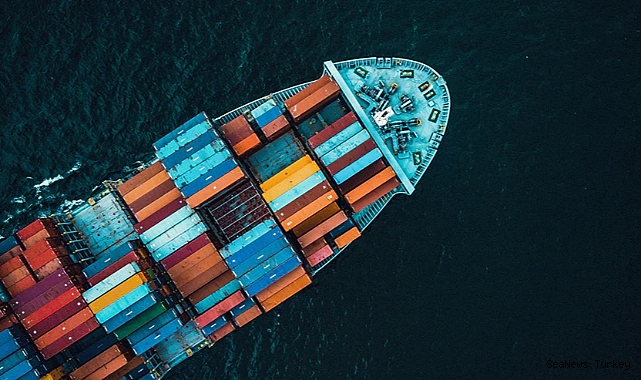
Ports of Long Beach and Los Angeles brimming with confidence that they can handle the "flood" of new cargo from very large ships that are coming with the P3 alliance.
Los Angeles and Long Beach confident they can handle P3 mega ships
NEWS of the mega alliance among the world's top three container carriers has the ports of Long Beach and Los Angeles brimming with confidence that they can handle the "flood" of new cargo from very large ships that are coming with the P3 alliance.
"We will be able to handle them," said Long Beach marketing manager Ken Uriu as he showed slides to the local Harbour Transportation Club showing three mega ships berthed simultaneously at the TTI terminal, each capable of carrying 10,000 TEU or more.
Top LA Port saleswoman Kathryn McDermott said LA has been spending US$1 million a day to enlarge marine terminals, raise the height of container cranes, dredge to 53 feet (16 metres) and improve rail infrastructure. The adjacent San Pedro Bay ports will spend $1 billion on improvements, she said.
"Our facilities can handle these ships. They already have been handling several big vessels at a time," she said, reported Newark's Journal of Commerce.
Maersk, MSC and CMA CGM announced their P3 alliance they hope will be operational in the second quarter of 2014 that will deploy ships of 8,000-TEU capacity and greater to east coast ports and 9,000 to 11,000-TEU capacity to west coast ports.
The largest ship calling at Long Beach has a capacity of 13,800 TEU. As a first-call inbound port complex, Los Angeles and Long Beach handle a disproportionate number of imports, as well as a large volume of exports. A single vessel call can generate 8,000 to 10,000 container moves.
US west coast ports have been threatened by the Panama Canal which diverts ships from the west coast to the east coast where much of the cargo is destined, thus avoiding the costly, albeit faster, overland journey east by road and rail.
The Panama threat has since been augmented by the growing use of the Suez Canal to move US east coast-bound Asian cargo through wayporting, or transshipments, at modern Red Sea and Mediterranean terminals that transfer cargo from mega ships bound for north Europe and move it on smaller east coast North America-bound ships.