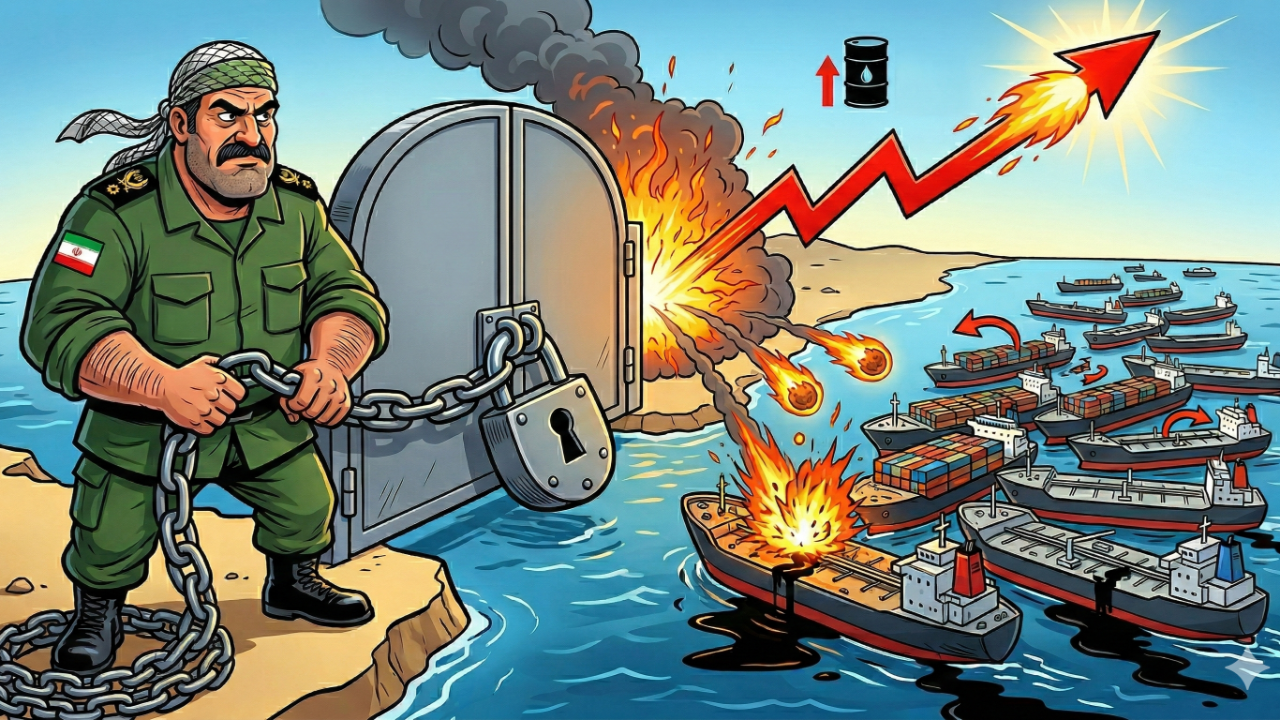
Shipping through the Strait of Hormuz remains constrained over a week after the ceasefire, with Iranian and US restrictions impacting vessel movements.
Commercial shipping through the Strait of Hormuz remains selective and abnormal more than a week after the ceasefire announcement, reports Tel Aviv's Windward Maritime AI.
Windward stated that vessel movements were initially shaped by Iranian restrictions and subsequently by US enforcement, resulting in inconsistent access and unresolved risks. Traffic volumes rose to 17 vessels on April 11, 21 on April 12, 17 on April 13, and 19 on April 14; however, overall traffic remained below normal levels.
Many ships slowed down, turned back, or went dark, while activity was concentrated among sanctioned, falsely flagged, and Iran-linked vessels. Major oil companies and blue-chip operators have opted to stay out of the region, leaving the market to function without mainstream confidence.
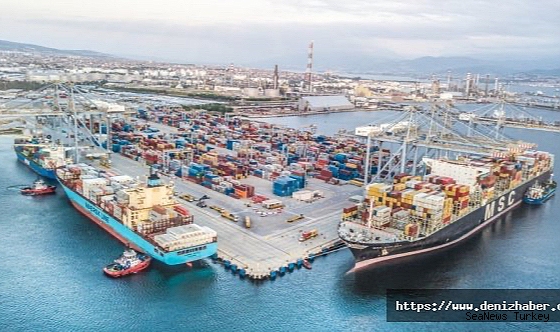
Cargo flows have adapted through diversion networks centered on Salalah, Sohar, Khor Fakkan, Fujairah, and Jebel Ali. Windward noted that these routes have shifted from contingency plans to operational structures, allowing Gulf trade to continue outside of pre-crisis patterns.
The cost of rerouting is increasing. A 14,000 TEU containership on a London-UAE rotation now faces a 41-day voyage around the Cape of Good Hope, adding 6,500 nautical miles, 15 sailing days, and an additional US$300-$400 per TEU in operating costs. Europe-Gulf freight rates are currently about 25 percent above pre-crisis levels.
Despite the ceasefire, Iranian exports have continued. Windward reported that three VLCCs loaded six million barrels at Kharg Island on April 11, while Iranian oil on water stood at 157.7 million barrels on April 13.