Hapag-Lloyd to buy Zim Integrated Shipping Services for $4.2 billion, enhancing global trade routes and securing Israeli maritime operations.
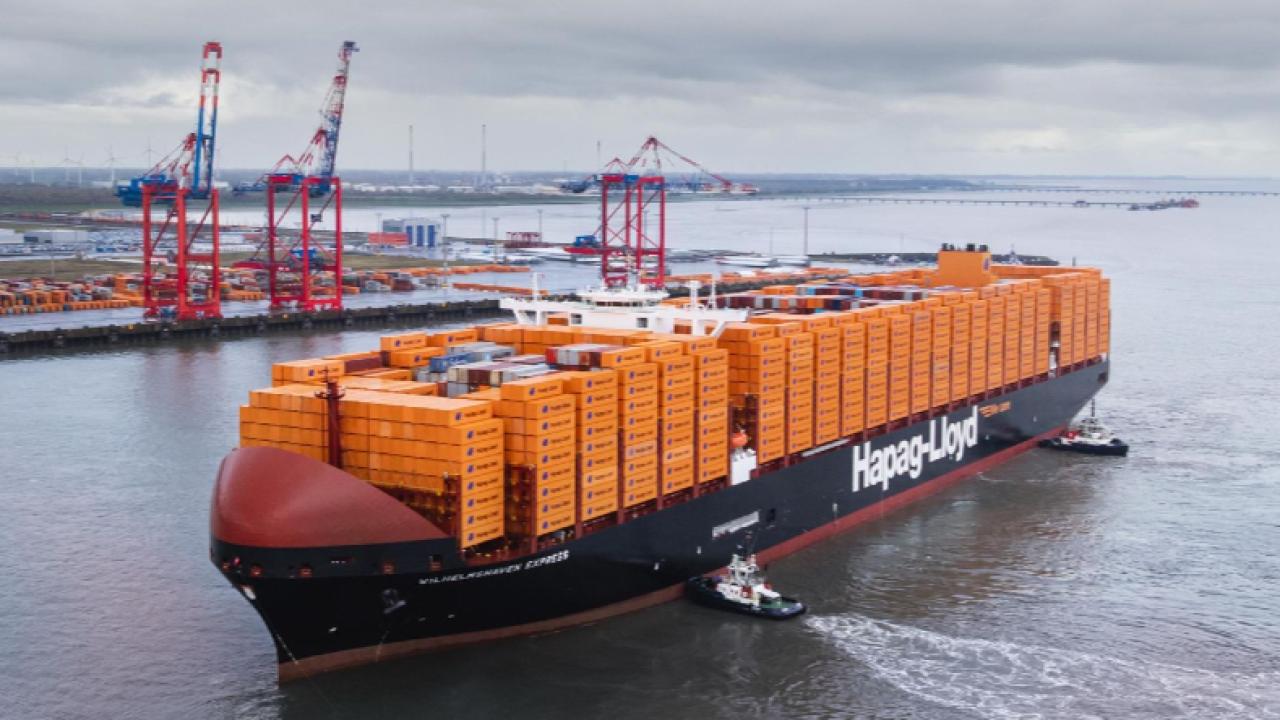
German shipping company Hapag-Lloyd has agreed with Israeli private equity fund FIMI Opportunity Funds to acquire Haifa-based Zim Integrated Shipping Services for US$4.2 billion, reports The Times of Israel.
Hapag-Lloyd will purchase 100 percent of Zim's shares at US$35 per share in cash, representing a 58 percent premium on the firm's price as of 13 February. Zim operates 145 ships, including 130 container vessels.
Under the deal, FIMI will take ownership of Zim's Israel operations and form New Zim, an Israeli container shipping company with 16 vessels. This new entity will serve global trade routes into Israel to ensure supply security during emergencies.
FIMI founder and chief executive Ishay Davidi stated that the new company would provide a stable Israeli presence and view Hapag-Lloyd as a strategic partner. New Zim will connect Israel with ports in the EU, the US, the Mediterranean, and the Black Sea.
Hapag-Lloyd announced that it signed a binding memorandum of understanding with FIMI, under which the Israeli government's golden share in Zim will be transferred to a FIMI subsidiary. Government approval is still required for the transaction.
Zim's workers' union has launched a strike at its Haifa headquarters in protest. The government regards Zim as a strategic national asset, necessitating the maintenance of Israeli-owned vessels.
Founded in 1945, Zim operates in more than 90 countries and serves 33,000 customers across 300 ports. The New York-listed company has a market value of US$2.7 billion and employs 1,000 staff, including 160 in Haifa.
Hapag-Lloyd chief executive Rolf Habben Jansen remarked that Zim is an excellent partner and pledged to retain employees while building a long-term presence in Israel. The merger would secure Hapag-Lloyd's position as the world's fifth-largest container carrier, with over 400 vessels.
The deal is expected to close by late 2026, subject to shareholder, regulatory, and government approvals.