
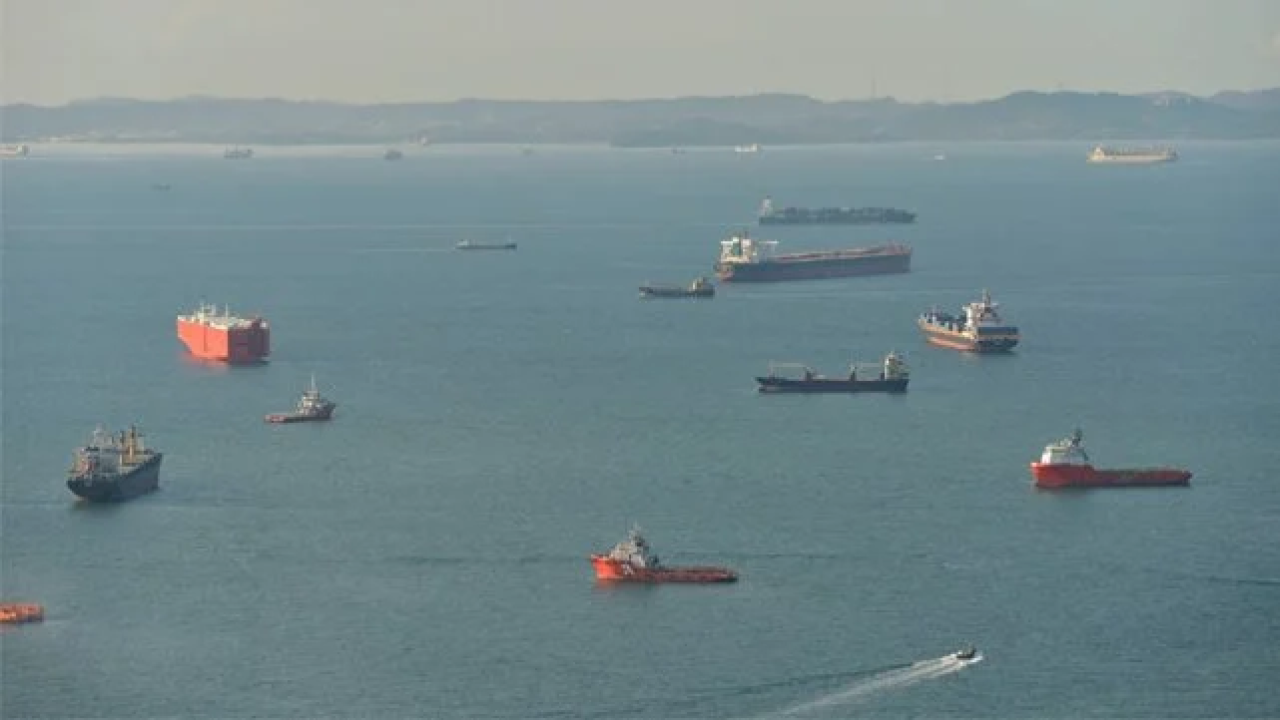
Indonesia's proposal to charge fees for Malacca Strait passage faces strong opposition from Singapore and Malaysia, raising international transit concerns.
The statement by the Indonesian Minister of Finance regarding the possibility of charging fees for ships passing through the Strait of Malacca has sparked controversy in the region. Singapore and Malaysia quickly opposed the idea, while the Jakarta administration argued that the remarks were of a 'joke and speculation' nature.
Indonesian Finance Minister Purbaya Yudhi Sadewa stated at a conference held in Jakarta that the possibility of charging fees for ships passing through the Strait of Malacca, one of the world's most critical maritime trade passage points, could be examined.
The minister emphasized that Indonesia holds a key position in global trade, asserting that the country should not only be a transit point but also a center that generates economic value. The statements have initiated a new discussion regarding the status of the Strait of Malacca and international transit rights.
Singapore's Minister of Foreign Affairs Vivian Balakrishnan stated that the right of passage through straits is guaranteed under international law and declared that his country would not participate in such a practice.
Malaysia similarly reported that unilateral charging in the Strait of Malacca would not be possible and that such a step could not be taken without a joint decision from the coastal countries.
Following the reactions, Indonesian Foreign Minister Sugiono clarified that the statements in question were not official policy, stating that the Finance Minister was merely discussing possibilities and was making remarks 'in a humorous tone.'
The Indonesian administration also emphasized that they are bound by the United Nations Convention on the Law of the Sea and support the principle of free and safe passage in international waterways, including the Strait of Malacca.
The approximately 900-kilometer-long Strait of Malacca plays a strategic role in the flow of trade between Asia and Europe and the Middle East. A significant portion of global maritime trade is transported along this route, which is also critical for energy shipments.
Recently, as discussions around security risks and transit costs in the Strait of Hormuz and the Bab el-Mandeb Strait have increased, the exit regarding the Strait of Malacca is considered to potentially set a new precedent in maritime circles.
Industry representatives warn that unilateral fee practices in international straits could create serious pressure on the global supply chain and freight markets.
Source: SeaNews Türkiye


