The Bab al-Mandeb Strait is at risk as the US-Israeli war on Iran disrupts global shipping and energy flows, warns Anadolu Agency.
The Bab al-Mandeb Strait, a narrow passage linking the Gulf of Aden to the Suez Canal, is facing heightened risks as the US-Israeli war on Iran threatens global shipping and energy flows, reports Turkey's Anadolu Agency.
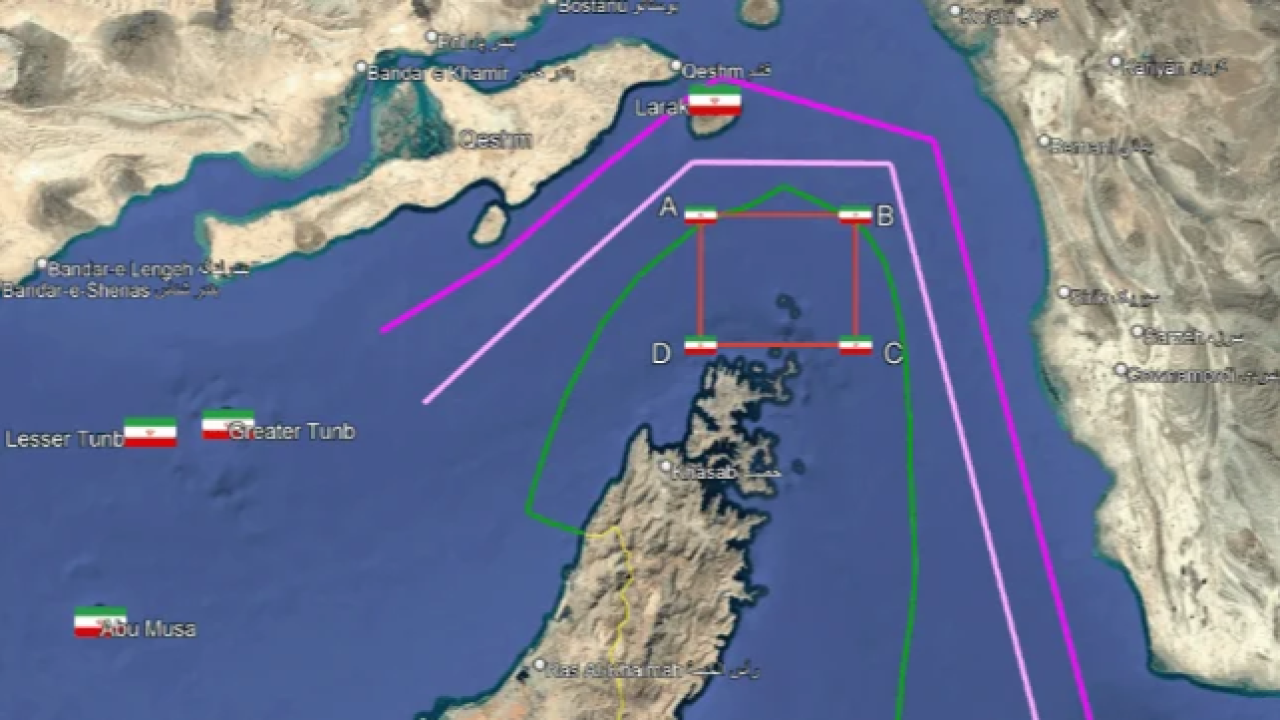
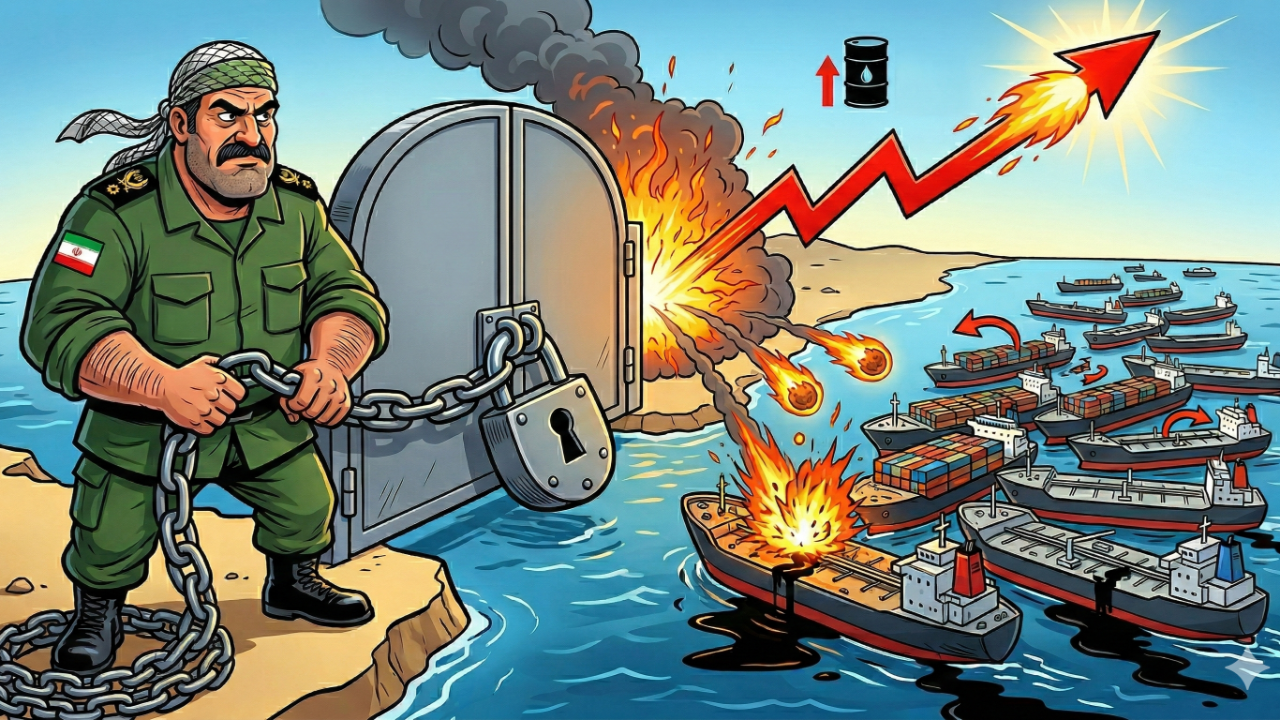
Tehran has already restricted traffic through the Strait of Hormuz, a key artery for oil exports. Analysts warn that instability spreading west to Bab al-Mandeb could compound disruptions across global trade routes.
The strait, only 30 kilometres wide at its narrowest point, funnels millions of barrels of oil, liquefied natural gas, and container cargo daily. In 2023, 9.3 million barrels per day of crude and petroleum liquids passed through, nearly 12 percent of seaborne oil trade.
Houthi attacks in 2024 cut flows to 4.1 million barrels per day, forcing ships to reroute around the Cape of Good Hope. Traffic through the Suez Canal and the SUMED pipeline also fell sharply.
The Houthis, aligned with Iran and controlling much of Yemen, have targeted Israel-linked and Western vessels in the Red Sea. This weekend, they launched missile strikes toward Israel, marking their first direct involvement in the Iran conflict.
Analysts caution that sustained disruption could drive up shipping costs, push oil prices higher, and strain Gulf infrastructure. Brent crude has already surged more than 50 percent since the war began, topping US$116 a barrel.
Experts note Saudi Arabia now relies heavily on Red Sea routes to maintain exports to Asia. Any closure of Bab al-Mandeb could halt Gulf oil flows within weeks, raising fears of a wider economic shock.